Sundaymail Editor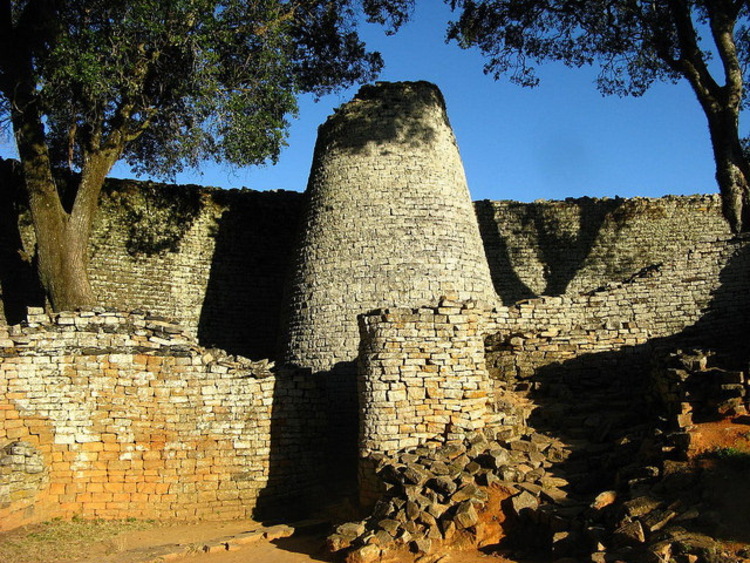
The Great Zimbabwe Monument is one of Africa’s most stunning historical sites.
Its most imposing structure, the Great Enclosure, has walls as high as 11m extending approximately 250m, making it the largest ancient structure south of the Sahara.
Declared a Unesco World Heritage Site in 1986, its massive stone structures provide a breathtaking view that often leaves visitors in awe.
The monument, some 25km outside Masvingo City, is where the country got its name from.
Believed to have been the royal residence of the once mighty Mutapa Dynasty, the site has its own fair share of mysteries. How the massive stone structures were built has been a subject of intense debate.
Built some 900 years ago, historians have given varied and often conflicting accounts about the kind of society that inhabited the ancient city.
Theories regarding the circumstances surrounding the abandonment of such an impressive and durable structure are also varied.
Furthermore, historians note that the site is composed of three different architectural groupings known as the Great Enclosure, the Valley Complex and the Hill Complex.
Why the site was constructed in such a distinctive manner is also the source of much debate and many of the answers to the mysteries have long been buried along with the people who built this city.
The discovery of eight soapstone carvings, now known as the Zimbabwe Birds, fuelled speculation regarding their purpose. The carvings have human and bird-like features.
Adding to the allure are reports about mysterious sightings by both foreign tourists and locals.
Locals maintain that mysterious men, who are very short in stature and dreadlocked, are sometimes seen wandering about the monument. The mysterious men, according to locals, disappear before anyone can approach them.
In an interview last year, Chief Mugabe (Mr Matubede Mudavanhu Mugabe) spoke at length about the mysterious happenings at the monument.
He said the beating of drums could be heard during the night but when locals go to the site to investigate, they would not find anything.
According to Chief Mugabe, the Great Zimbabwe Monument was not being respected and was being “too commercialised” – a factor the traditional leader said might be contributing to the strange happenings.
He said a mysterious fire that engulfed part of the site in 2015 was a sign that the ancestors were not happy with the way visitors were conducting themselves when they came to Great Zimbabwe.
“That place is sacred but some of the chiefs that claim to be the rightful owners are busy renting out the site to anybody who cares to use it. A musical gala was recently held at the ruins and the youngsters that attended the event littered the shrine with used condoms. I cannot allow such a free-for-all approach,” fumed Chief Mugabe.
Although the site was eventually abandoned and left to fall into ruin, it appears some of its former inhabitants are making regular trips to their former homes.
Nyatsimba Mutota, the fiery leader of the Mutapa Empire who is believed by historians to have been dreadlocked, might be one of those “short, dreadlocked people” who are still making occasional visits to the ancient city.
A short history of an ancient city
Visit the Great Zimbabwe Guide for information on this greatzimbabweguide.com


 Online Reporter