Online Reporter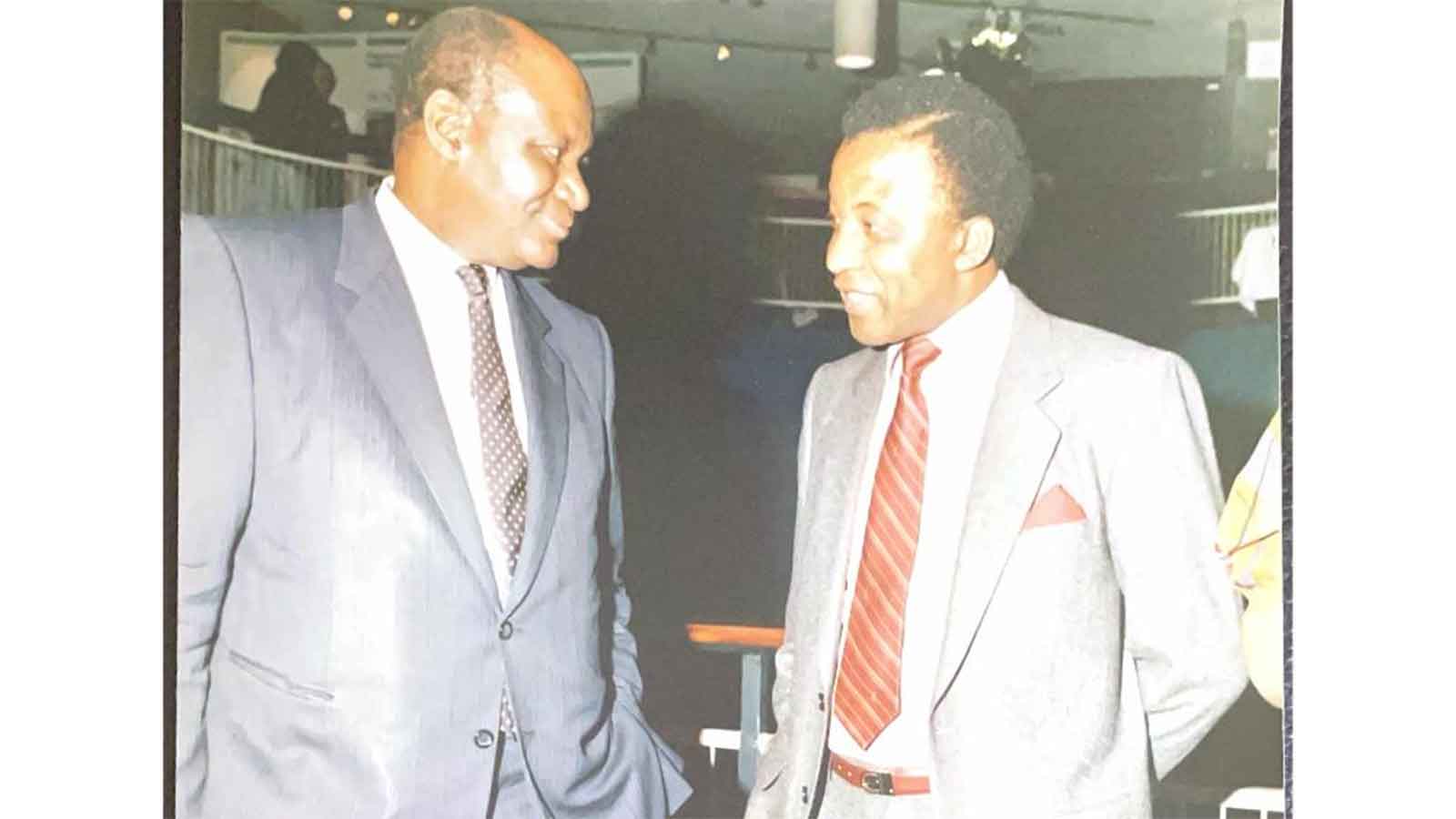
Richard Muponde
Zimpapers Politics Hub
THE earth has claimed one of its most dignified sons.
Percy Bruno Gochera Murombe-Chivero, a liberation stalwart whose life quietly shaped the destiny of a nation, has departed this world, leaving behind a towering legacy etched in sacrifice, intellect and unwavering patriotism.
He died on March 30, 2026, in Croydon, Surrey, the United Kingdom, surrounded by the warmth of family, yet embraced by the spirit of a country he never stopped loving.
His passing away is not merely a moment of grief; it is a revolutionary reminder that the struggle for Zimbabwe’s independence was not only fought in the bush, but also in distant lands, in quiet rooms of persuasion and through the relentless courage of men who chose principle over comfort.
Roots of greatness and the burden of legacy
Born on June 8, 1937 at Waddilove Mission Hospital, Percy emerged from a lineage of pioneers.
As the first-born son of Philip Marimo Murombe-Chivero, Zimbabwe’s first black commercial bus operator, he inherited not just a name, but a mission to redefine possibility in a racially divided colonial order.
His mother, Ruth Dambudzo Shamu, nurtured in him the discipline and moral clarity that would guide his life’s path.
Educated at Kutama School, a cradle of many nationalist minds, Percy sharpened an intellect that would later become a weapon in the ideological battles of liberation.
He was not loud, yet he was resolute; not visible on the frontlines, yet indispensable in the architecture of resistance.
The silent engine of the liberation struggle
History often celebrates those who carried guns, but Percy belonged to that rare cadre who carried the burden of thought, strategy and international advocacy.
From his base in the UK, where he relocated in 1964, he became a vital force in shaping political consciousness among Zimbabweans at home and abroad.
He inspired those closest to him, nurturing a revolutionary awareness that would ripple across generations.
His influence reached into the hearts of future leaders and fighters, among them his own kin who would step into the storm of the armed struggle.
When his brother John Murombe left for military training in the Soviet union in 1965, Percy remained behind, but not idle.
When John was captured, wounded and condemned to death, Percy rose as a relentless voice against injustice.
Through diplomatic corridors and human rights platforms, he campaigned tirelessly, transforming personal anguish into political action.
His efforts contributed to the eventual release of his brother at independence in 1980, a victory not only for family, but for the ideals of justice and freedom.
A bridge between nations and histories
Percy Murombe-Chivero was a man who lived between worlds, yet belonged fully to both.
In Britain, he became a pillar of Zimbabwean intellectual and political life, playing foundational roles in organisations that championed the cause of independence and development.
He possessed a rare gift for diplomacy, articulating the complexities of Zimbabwe’s transition to independence with clarity and conviction. During the critical moments surrounding the Lancaster House negotiations, he stood as an interpreter of history, ensuring that the global community understood the aspirations and sacrifices of his people.
His home became more than a residence; it was a sanctuary of ideas, a meeting place for minds that shaped Zimbabwe’s trajectory.
Within those walls gathered some of the nation’s most distinguished figures, bound not only by friendship, but by a shared vision of a liberated homeland.
The man beyond the struggle
Yet beyond the politics and the diplomacy stood a man deeply rooted in family and tradition.
Percy was a devoted husband of Jennifer Mupinyuri, their union a testament to enduring love and partnership.
Together they built a family that became the centre of his universe, even as he navigated global arenas.
He remained humble despite his far-reaching influence, grounded in the values of his upbringing and the responsibilities of his lineage.
To his children and grandchildren, he was not merely a historical figure, but a guiding presence, a custodian of wisdom and identity.
The legacy of a fallen giant
With his passing away, the Chivero clan has lost a towering pillar, and the nation has lost a custodian of its untold history.
Percy leaves behind a legacy that transcends biography.
It is a legacy of bridging continents without losing one’s roots, of fighting oppression without wielding a weapon, of embodying patriotism without seeking recognition.
He stands among those unsung architects of liberation whose contributions demand remembrance not in whispers, but in the bold retelling of history.
His life affirms that revolutions are not only won by those who march, but also by those who think, persuade and endure.
A revolutionary farewell
As the nation reflects on his life, one truth resounds with clarity: Percy did not merely live through history; he shaped it.
He was a bridge between struggle and sovereignty, exile and belonging, past and future.
Though he has departed, his spirit remains anchored in the soil of Zimbabwe, in the consciousness of its people and in the enduring ideals of freedom and dignity.
A giant tree has fallen, but its roots run deep.