Online Reporter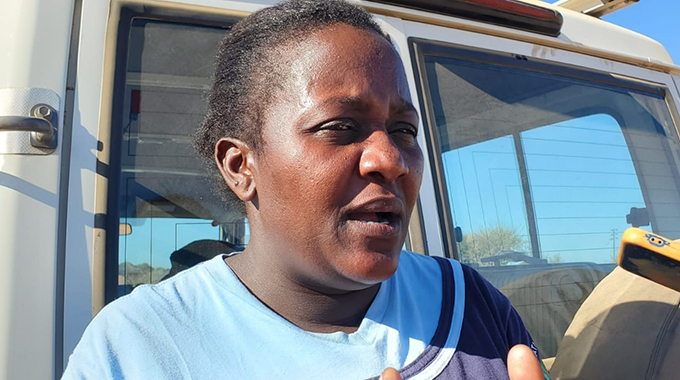
Robin Muchetu in Tsholotsho, Health and Gender Editor
A single borehole could be what a community in Bantu Village in Umguza District desperately needs to fend off a growing trend where adolescent girls and young women are trading sex for water leading to a soaring HIV incidence rate and teenage pregnancies.
The area is under Ward 14 in Nyamandlovu.
Water is delivered closer to home only through interactions with men they meet along their journey from the river which is a strenuous distance from their homes, from where the young men demand sex as payment.
The village’s sole water source is located far from the community, requiring residents — mainly young women to traverse a steep slope with buckets in hand.
The tiresome task often leads to exploitation, as local men prey on these girls offering to help fetch water in exchange for sex — often unprotected — giving rise to HIV infections among this vulnerable demographic.
According to the 2023 HIV Estimates Report by the National Aids Council (NAC), Umguza District has the highest HIV incidence rate in Matabeleland North Province at 0,28, followed by Tsholotsho at 0,27.
The elevated rates are attributed to high-risk behaviours among key populations and other groups within the district.
HIV incidence measures the rate at which new infections occur within a specific population over a given period, typically annually.
Nothando Tshuma, a 21-year-old school dropout and early marriage victim, shares her harrowing experience, shedding light on the challenges faced by young women like her.
“There’s so much hunger here. Elderly men often approach us offering money for sex because of poverty. When we go to fetch water from the river — because it’s too far — men sometimes push wheelbarrows for us and we pay them with sex since that’s all we can offer.
“If I carry one 20-litre bucket on my head, I will need multiple trips. These men have got the stamina. They can push several buckets at once and we end up trading sex for their help.”
She adds: “They follow us to the river and find us struggling with the wheelbarrows. We have no choice but to accept their help and reciprocate.”
Her sentiments were echoed by Ms Saziso Mlalazi, a mentor with the Sista2Sista programme, who highlights the severity of the issue.
The programme targets girls aged 15-24, providing education on HIV, STIs and related issues.
Ms Mlalazi emphasised that poverty and lack of education are primary drivers of risky behaviour among the girls.
“Most of these girls only went as far as Grade Five or Seven and never continued schooling. They lack basic knowledge about HIV, and poverty pushes them into dangerous situations. Some admit they resort to sex for money because they’re hungry or because water is too far to fetch. When tired, they accept help from boys, which often results in unprotected sex.”
Ms Mlalazi advocates for establishing a water source at the heart of the village as an immediate solution to reduce transactional sex. Such an intervention could enable girls to engage in community-based activities like horticulture or poultry rearing, creating income streams and keeping them occupied.
“If the community had accessible water, young girls could start small projects — growing vegetables, rearing chickens — and sell the surplus. This would reduce the need for them to seek help in exchange for sex. Keeping them busy and building local wealth is crucial.”
She further notes that many girls are in “marriages” of convenience — cohabiting with men to secure basic needs — thereby increasing their risk of HIV infection. Intergenerational and unprotected sex are prevalent issues, compounded by high teenage pregnancy rates and children born with unknown paternity.
The local bar exacerbates these challenges, serving as a hub for entertainment and unprotected sex with multiple partners. Many girls frequent the establishment, often unaware of who might be the father, highlighting a critical gap in education and awareness.
“Many girls don’t know their partners’ HIV status or paternity,” Ms Mlalazi laments.
Lucia Ncube (19) shares how the Sista2Sista programme has helped her transform her life.
“In 2013, I was living in Mathe and started abusing drugs. I was often drunk and had multiple partners, which led to me having a child whose father I don’t know. I couldn’t identify the father or their HIV status. Since joining the programme, I have stopped drinking alcohol and have changed my behaviour.”
Matabeleland North has the second-highest HIV prevalence in Zimbabwe at 14,4 percent, with Matabeleland South leading at 17,3 percent.
The national prevalence stands at 10,4 percent. Adolescents and young women aged 10-24 are the most affected, underscoring the urgent need for targeted HIV prevention interventions within this age group.