Online Reporter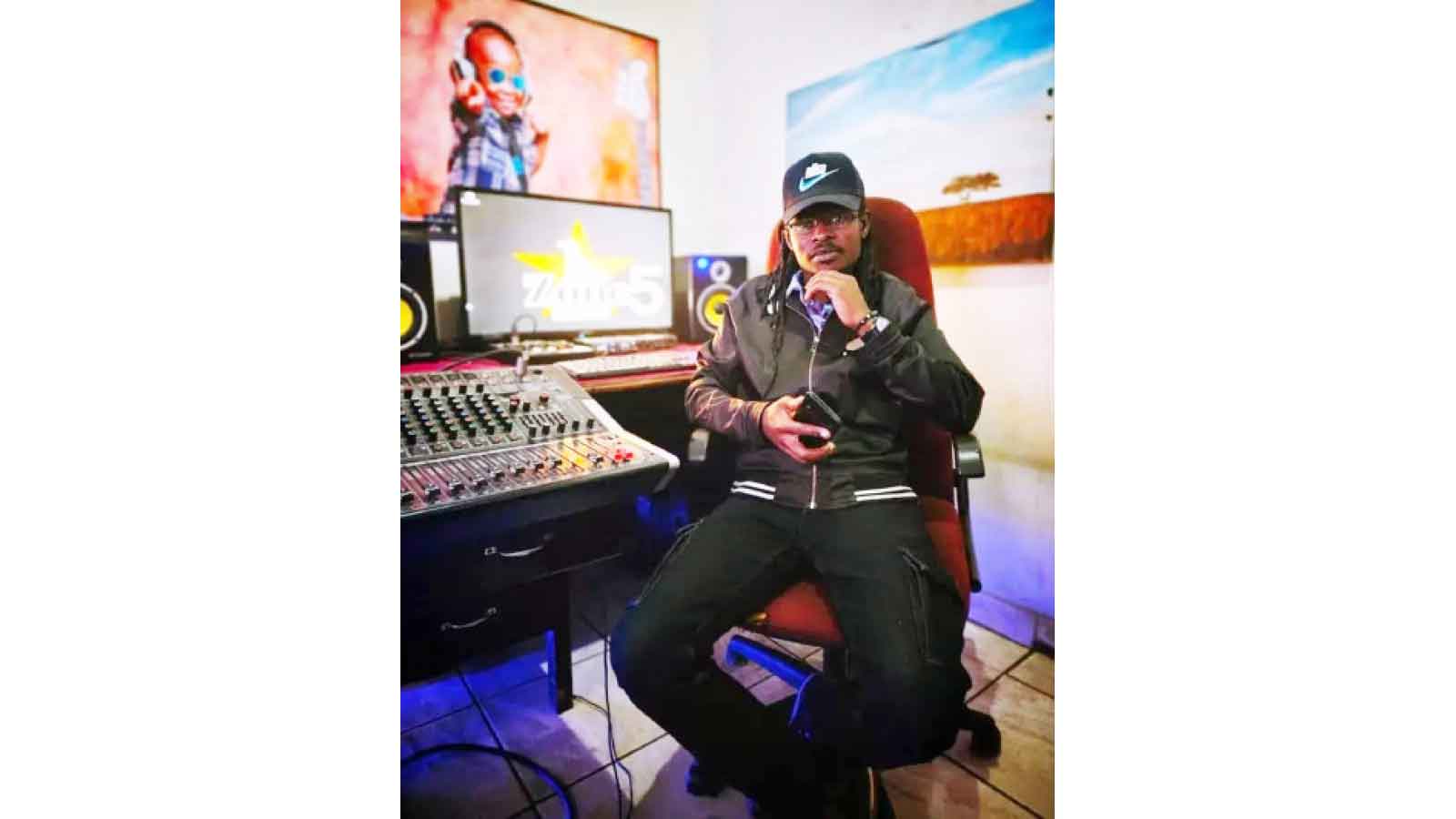
Theseus Shambare
Zimpapers Arts Hub
IN the heart of Epworth, amid dusty streets and the hustle of daily life, a small studio explodes with creativity.
It does not boast neon lights or celebrity faces, yet some of Zimbabwe’s biggest urban grooves hits have been crafted here.
The architect behind it all is Mohammed Miles Budala.
He is a man the public may not know by name, but whose fingerprints are on dozens of tracks that have defined a generation. Born on February 15, 1989, in Harare to a Muslim family, Budala’s early life was ordinary in many ways – school at ZimPhos Primary, Secondary education at Chinyika High in Goromonzi.
But even as a teenager, music was his calling.
By 2007, shortly after completing high school, he was rapping in the urban grooves era, learning production techniques under the watchful eye of his mentor and best friend, Edward Maozeka.
It was the start of a career that would intertwine music, advocacy and community transformation.
The turning point came in 2013, after his father’s death.
Budala moved to Epworth, driven by a mission bigger than fame – to uplift local talent and rewrite his community’s narrative.
Epworth, long stigmatised as “The Dark City,” was brimming with raw, untapped potential and he saw it as his responsibility to nurture it.
Over the years, he has produced tracks for more than 200 artists, mostly underground, yet fiercely talented – voices often unheard in mainstream Zimbabwean music.
His journey has not been easy.
Moving between PropaBless Entertainment in Harare CBD, Rare Music in Mbare and Verenga Empire in Zvishavane, Budala honed his craft with artists like Pah Chihera, Terry Africa, Maskiri, Trinta, Elder Potato, Chigudo Chihomuhomu and Andy Muridzo.
Each track, each collaboration, was not just about music; it was about giving Epworth a voice on the national stage.
But it is not the big names that define him — it is the young artists working out of his modest Epworth studio late into the night, testing beats, learning production and dreaming of a future they had not dared imagine.
Budala co-founded Epworth News with Rey Dongoda, a digital platform documenting the community’s triumphs and struggles.
It is here, amidst microphones and computers, that he merges music with journalism, giving youth a stage to be seen, heard and celebrated.
“Talent is everywhere,” Budala said, leaning over a mixing console.
“But opportunity is rare. I want to change that. I want Epworth’s stories, its artists, its heroes, to be known.”
He is compiling Top 100 Epworth Most Influential People, honouring the community champions whose names might otherwise fade into obscurity — from comedians and pastors to teachers and activists.
Budala’s vision stretches beyond music.
He plans a fully-fledged media house: a recording studio, online radio and micro communication centre.
His goal is simple yet ambitious: train young people, create employment and show that creativity can be a pathway out of marginalisation.
In Epworth, he is a legend who lives in the background.
The tracks he produces are celebrated, yet he rarely steps into the spotlight.
“I am the unknown man behind the hits,” he said.
“But if my work inspires one young person to chase their dream, that is enough for me.”
This is more than a story about music, it is about resilience, community, and the power of champions shaping culture from the margins.
In an urban settlement long written off, Budala is proving that greatness does not need an audience to exist.
Sometimes, it just needs a stage, a beat and someone willing to listen.