admin
admin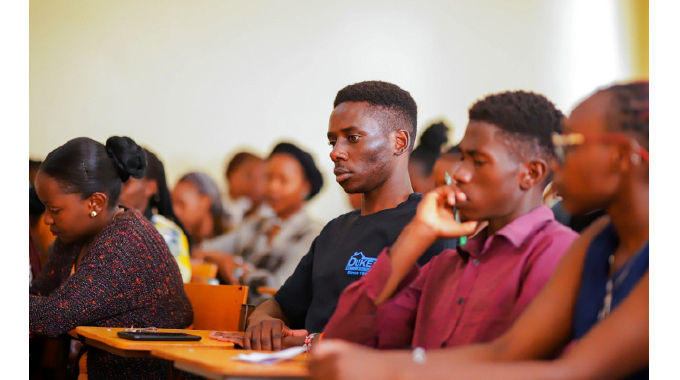
Latwell Nyangu-Youth Interactive Writer
Imagine submitting your curriculum vitae (CV) to a particular organisation with high hopes of being called for an interview, only to find yourself waiting indefinitely until you eventually lose hope.
A common concern arises when applicants leave their CVs at the entrance of an organisation, where they may remain unattended until the documents are disposed of before ever reaching the Human Resources (HR) department.
This situation highlights a significant flaw in the application process that many candidates face.
You might wait for an extended period without receiving any response regarding your application.
Unfortunately, this is a reality for many students whose applications have never been opened or reviewed to date.
I hope all students who faced this, find consolation in their spirits, it’s never easy. The battle intensifies if, despite your numerous applications, you are not invited for an interview.
For a student seeking attachment, this is the most frustrating life.
This week I am putting myself in the position of a student looking for attachment. As someone who helps students develop attachment, I am aware of the time it takes to find attachment.
It resembles a pain in the flesh.
A student’s transition from university to the workforce is significantly influenced by their industrial affiliation. It might be difficult to make the switch from an academic to a professional context.
Every student’s academic programme must include an industrial connection, which is a crucial and important component of the post-university period.
However, it takes a lot to be a part of this moment of transition.
Its integration into the educational process aims to impart to students practical skills that cannot be learnt in a classroom.
The length of attachment varies based on the college and programme attended. One year or more can be the attachment period.
Students’ experiences during industrial attachment vary; some find the placement beneficial, while others believe it is a waste of time and resources.
Attachment is an organised, credit-bearing work experience that allows students to apply and gain experience in a professional work environment while applying their education and skills.
Students receive industrial training to prepare them for practical implementation and application of the courses. It can be challenging for students to juggle the demands of their industrial attachment with their continuing academic obligations.
When it comes to attachment, most students run out of time, and nobody will ever call them.
In most cases, students apply to more than five organisations of their choice, with a probability of getting at least two calls.
Regretfully, some students apply to numerous organisations and never receive a call for an interview.
Some students receive calls, but they never make it through the interviews.
Also, some students, get the place but they will not get some money during their attachment.
It is said that a student at times is given conditions to date some bosses so that they are allowed to work at the organisation.
These are the most common circumstances students face when the time for attachment comes.
Of all the heartbreaks, looking for attachment strikes students hard.
Yes, I have addressed several challenges students face, but the frustrations which come with looking for attachment.
I have written many issues regarding the plight of a student but I have realised that looking for attachment is a thorn in the flesh for many.
Students face a plethora of challenges, including assignments, meeting deadlines, tuition hurdles, and transport among other problems The search for industrial attachment opportunities can be a challenging and often painful experience for many students.
Attachment is crucial as it serves as a bridge between academic knowledge and practical experience, yet numerous obstacles complicate this journey. The competition is fierce, especially when institutions release their students at the same time, leading to a saturation of applicants vying for limited positions.
The first frustration is when students search for attachment and they don’t get it on time.
Some institutions require students to go for attachment from six months to a year and most of them get attachment after mostly three months while some will struggle until the last day.
While some face a blow on getting the attachment, another major pain point is the disconnect between what students learn in their academic programmes and the skills required by employers in the real world.
Many students report that they are trained using outdated tools or methodologies that do not align with current industry standards.
This gap can leave them feeling unprepared and frustrated when they enter the job market.
Students often encounter inadequate support during their internships. Many report receiving little to no proper mentorship from supervisors, which hinders their learning experience and professional development.
Without proper guidance, students may struggle to navigate workplace dynamics or fully capitalise on the opportunities presented during their attachment.
Unpaid internships pose another significant challenge for students seeking industrial attachment opportunities.
Many students cannot afford to work without compensation, which limits their ability to gain valuable experience in their field of study.
This financial strain can lead to increased stress and anxiety about both immediate living expenses and future career prospects.
The cumulative effect of these challenges can take an emotional toll on students, leading to feelings of inadequacy or discouragement when they are unable to secure desired positions or perform well during their attachments.
The pressure to succeed in both academic and professional realms creates significant stress.
While industrial attachment is an essential component of university education that offers practical experience and skill development, it comes with its own set of challenges that can cause considerable pain for students navigating this critical phase of their academic journey.
Until we meet for a toast!
Feedback: nyangu. latwell27 @gmail.com


 Online Reporter