admin
admin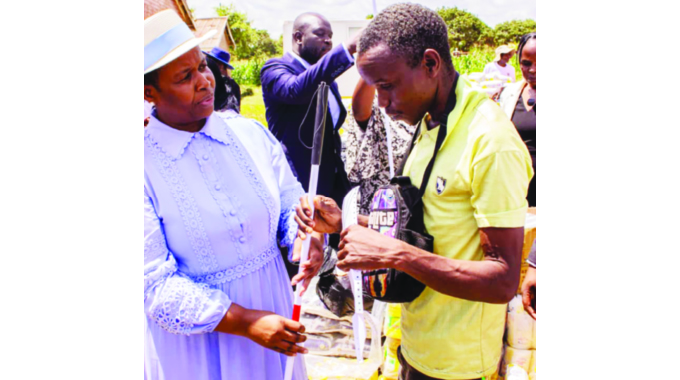
Ivan Zhakata, Features Correspondent
At the heart of Kadoma, the Jairos Jiri Centre stands as a symbol of resilience for persons with disabilities.
For decades, the institution has provided education, vocational training and a safe haven for those often left on the margins of society.
But behind the walls of hope and determination, a silent struggle persists.
The centre is grappling with severe shortages of basic necessities —Braille materials for the visually impaired, computers with assistive technology, proper facilities for those with mobility challenges and even food to sustain daily living.
A visit to the centre revealed a tough reality.
In the classrooms, visually impaired students strain to learn without Braille textbooks or computer software that could make their education more accessible.
Tafadzwa Makombe (not his real name), a bright student with a deep desire to excel, shares his frustration.
“I have dreams, just like any other student. But without Braille books or a computer that can read out my lessons, I feel like I am constantly playing catch-up. We are being left behind and it is not fair.”
For those with mobility impairments, the situation is equally dire.
Many struggle to navigate the centre due to outdated or insufficient infrastructure.
Simple tasks like moving between rooms or using the bathroom become daily challenges. Caregivers do their best, but without proper support their efforts often feel like an uphill battle.
“The lack of wheelchair ramps and accessible facilities makes life difficult for the residents,” says one of the caregivers.
“We do what we can, but there is only so much we can do with the little we have.”
Beyond education and infrastructure, perhaps the most pressing concern is food security. The centre relies heavily on donations but supplies are inconsistent.
“There are days when we do not have enough food,” another caregiver explains.
“We have to stretch what we have, but hunger is a reality here. It is heartbreaking to see residents go without proper meals. Without good nutrition, their health deteriorates, making their struggles even worse.”
Despite the challenges, there is a glimmer of hope. At the recent belated International Day for Persons with Disabilities commemoration held at Jairos Jiri, deputy minister of Public Service, Labour and Social Welfare, Mercy Dinha reaffirmed the Government’s commitment to disability rights and inclusion.
“This day is not just about celebration, it is a reminder of our collective responsibility to create an inclusive society where persons with disabilities can thrive,” she said.
“The Government remains steadfast in its commitment to implementing the United Nations Convention on the Rights of Persons with Disabilities (UNCRPD), which Zimbabwe ratified in 2013. This is not just a treaty — it is a call to action.”
The Government has introduced several initiatives to improve the lives of persons with disabilities.
These include free education from Early Childhood Development to university level, vocational training centers in Ruwa, Beatrice and Mutare, as well as cash transfers for vulnerable households.
Deputy minister Dinha also said the upcoming People with Disabilities Bill is approaching its second reading in Parliament.
“We are not leaving anyone behind. Through the Disabled Persons Fund, we are supporting vocational training, medical assistance and income-generating projects to ensure persons with disabilities become self-reliant.”
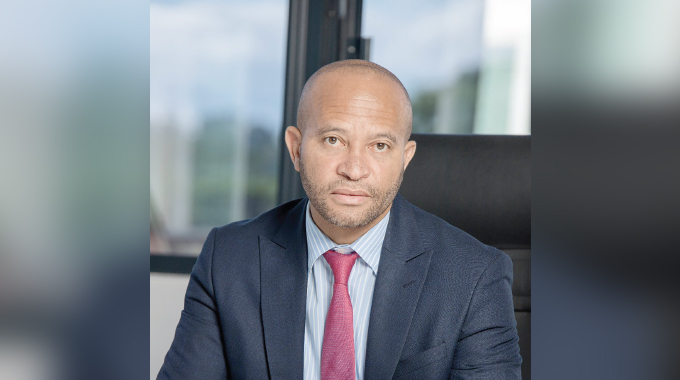
Sightsavers country director, Mr Peter Bare praised the Government’s efforts.
“We commend the Government for its progressive strides towards disability inclusion. The People with Disabilities Bill, when passed into law, will signal a commitment to improving the full participation of people with disabilities in all aspects of life.
“The legislation promises to enhance accessibility, promote equal opportunities and safeguard rights in alignment with international best practices. We urge our dear Government to expedite the passage of the bill into law to translate the promises contained in it into tangible realities,” he said.
The event ended with the distribution of food hampers, assistive devices and a renewed call for collective action to champion disability rights.
The daily battles for accessibility, education and even basic sustenance highlight the long journey ahead. “We do not want to be seen as charity cases,” said Tafadzwa. “We want opportunities. We want to learn, to work, to contribute. But for that to happen, we need the right support.”


 Online Reporter