Online Reporter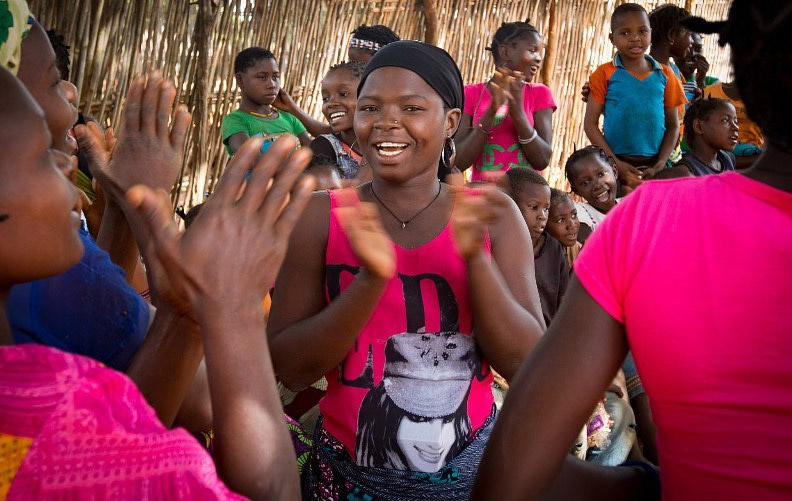
Rodgers Irimayi
Cultural Perspectives
IN an age of fleeting digital communication, where emojis and text messages often replace face-to-face interaction, a timeless, powerful gesture continues to echo through the vibrant communities of Zimbabwe.
It is a sound that needs no translation, an act rich with meaning that connects generations and reinforces the very fabric of society: the simple, profound act of clapping hands.
Far from being just a form of applause, in Zimbabwe, clapping is a sophisticated, unspoken language.
It is a gesture of respect, an expression of gratitude, a symbol of unity, and a cornerstone of cultural identity.
From the bustling streets of Harare to the serene rural villages, the rhythm of clapping punctuates daily life, revealing the deep-seated values that bind this southern African nation together.
For many, the first lesson in this cultural dialect comes in childhood. Young Zimbabweans are taught that when greeting an elder, a respectful clap is not just polite, it is essential.
It is a gesture of humility, a non-verbal acknowledgment of the wisdom, experience, and guidance that elders provide.
As a young person approaches an elder, they will often cup their hands and clap softly, a sign that says: “I see you, I honour you, and I respect your place in our community.”
This simple act reinforces the societal structure where age is revered, and traditions are passed down with care.
This “language of hands” is perhaps most eloquent during life’s most significant moments.
At weddings, the air is often filled with the rhythmic pulse of clapping, woven between traditional songs and dances.
It is a sound of pure joy and communal blessing. When the groom’s family meets the bride’s, their clapping signifies humility and respect for their new in-laws.
The bride’s family responds in kind, their claps a gesture of acceptance and welcome. It is a conversation without words, a celebration of two families becoming one, underscored by a shared, rhythmic heartbeat.
Similarly, at funerals, clapping takes on a more solemn tone. It becomes a gesture of solidarity and shared sorrow, a way for the community to comfort the grieving and honour the life of the departed. In these moments of profound loss, the collective clapping serves as a powerful reminder that no one bears their burden alone. It is an embrace made of sound, a quiet promise of support that resonates deeper than any spoken condolence.
The significance of this gesture extends into the spiritual realm.
Across churches and traditional ceremonies, clapping is a form of prayer and worship. It is used to invoke blessings, give thanks, and connect with the divine. During a rousing sermon or a spiritual ritual, the congregation’s unified clapping can build to a powerful crescendo, creating an atmosphere charged with emotion and collective faith.
It is a physical manifestation of belief, an offering of reverence that transcends the spoken word.
But it is not always a formal or solemn affair. Clapping is also the sound of unbridled joy. Attend any soccer match, and you will hear the thunderous roar of thousands of fans clapping in unison, a wave of sound that energizes the players and unites the crowd. At cultural festivals, traditional dances are often driven by intricate clapping patterns, inviting everyone to join in and become part of the performance. This shared rhythm fosters a powerful sense of belonging, momentarily blurring the lines between individuals and creating a single, vibrant community.
In a political rally or a community meeting, a speaker’s words are often met with waves of clapping, indicating agreement and engagement from the audience. It Is a dynamic form of feedback, a real-time measure of public sentiment that a speaker can see and feel. This interactive communication strengthens the bond between leaders and their communities, ensuring that important messages are not just heard, but collectively affirmed.
In a world that often feels increasingly fragmented, the Zimbabwean tradition of hand-clapping stands as a beautiful testament to the power of human connection. It is a practice that elevates a simple physical action into a profound cultural art form, rich with nuance and meaning. It serves as a constant, gentle reminder of the importance of respect, the strength of community, and the joy of a shared identity.
As Zimbabwe continues to navigate the complexities of the modern world, this enduring tradition remains a vital part of its cultural soul.
It is more than just a custom; it is a living, breathing language that continues to shape relationships, strengthen bonds, and tell the ongoing story of a proud and resilient people. It proves that sometimes, the most powerful messages are not spoken, but are felt in the simple, rhythmic meeting of hands.
Rodgers Irimayi writes in his personal capacity and can be contacted on +263778246098 or [email protected]. He can also be followed on his YouTube channel, Culture Views with Judah Kalispokaz