admin
admin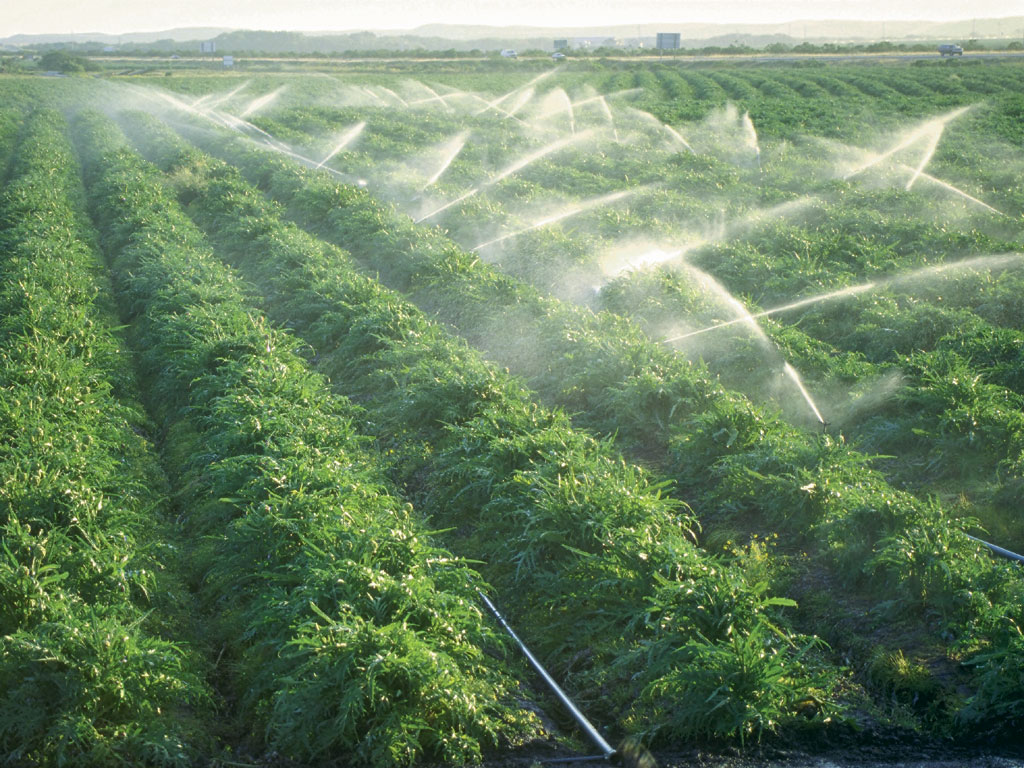
 Sarudzai Mupangi Features Writer
URBAN farming has been viewed as a left-over rural habit that needs to be dealt with by most councils. Despite the negative feeling towards the practice, many families have over the years supplemented their food stocks to ensure food security at the family level through urban farming.
In some instances families get extra income through the sale of various produce to supplement the family earnings.
The practice has grown despite several challenges faced by the farmers and is fast gaining acceptance in Harare, despite stiff resistance from local authorities, environmentalists and land developers.
The defiant farmers continue to take every opportunity to grow their crops to provide for their families and to sell their excess produce to the ready market in suburbs.
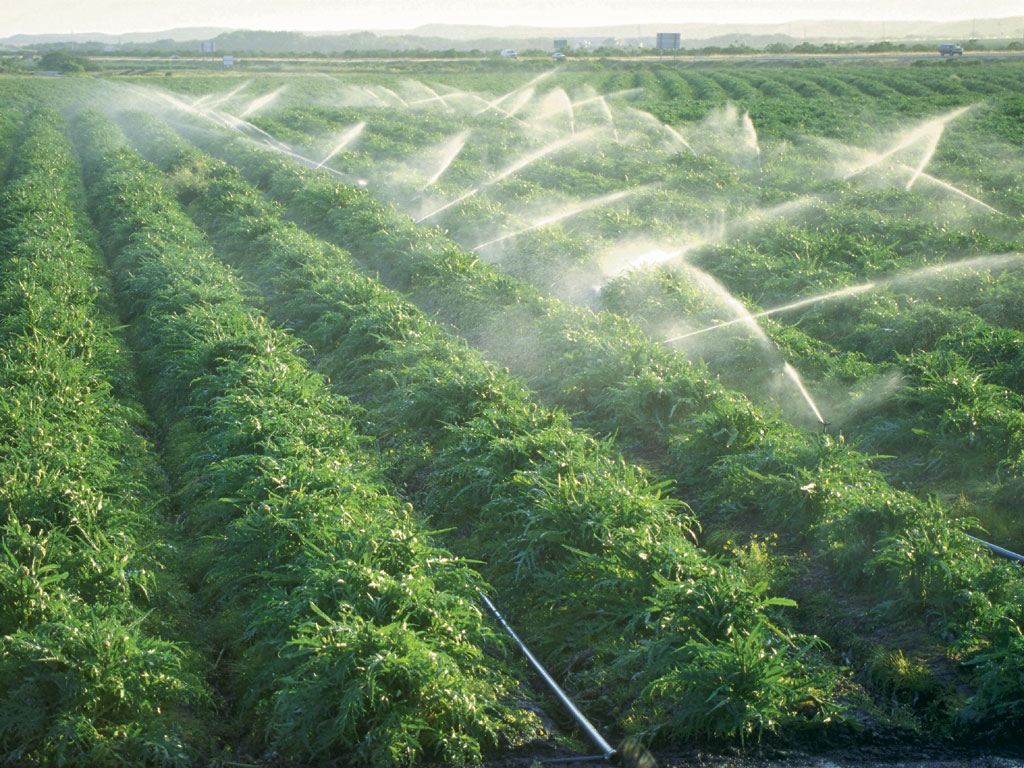
In some instances the farmers have successfully shifted from manual labour to tractors to cultivate their pieces of land. Some have even gone further to install irrigation equipment on their small pieces of land. Demand for land has also seen urban farmers cultivating on unauthorised pieces of land.
Mrs Juliet Mhasvi (41) from Mabelreign believes she has benefited from urban farming over the years.
She said urban farming has helped her supplement the little income earned by her husband, a domestic worker.
“I am one of the first people to start farming around Zambezi Flats. I also have a big garden where I grow a variety of vegetables, tomatoes and onions. I use water from a shallow well.
“When I started I was doing maize, sweet potatoes, cow peas and pumpkins which I grew seasonally. Neighbours would ask me to sell them some of my produce; that is when I realised that I could make money if I were to produce throughout the year,” said Mrs Mhasvi.
While she refused to divulge how much she makes, Mrs Mhasvi said she has managed to feed her family.
Many urban households benefit from urban agriculture and livestock production even though these are deemed illegal. Wetlands have been turned into fields while streambank cultivation has continued despite calls from environmentalists and council to desist from such practices.
While some people have been arrested and fined for cultivating in undesignated areas, many people have not given up on the practice but are instead diversifying their activities.
Knowledge Mateyaunga (22) and Brighton Mashambanhanga (32) from Avondale said they were aware that council forbids urban agriculture, but were unaware of areas where cultivation was prohibited and not.
“We have many open pieces of land which we cultivate during the winter season so that as soon as rains come we start planting,” said Mateyaunga.
The two also have chickens that they slaughter and use in the family canteen in town.
“For almost 10 years we have been practising urban agriculture. We grow maize only since we also use it as chicken feed,” he said.
“We also use organic manure from the chickens in our fields.”
Tendai Dzikiti from Crowb0rough North has an eight-hectare mechanised farm where he keeps cattle and sells milk as well as horticultural products.
He says his family has lived at the plot for over 30 years and he was now the person in charge after taking over from his father.
“We have removed most of the irrigation equipment for safe keeping since the rains have started, we do overhead and drip irrigation,” Dzikiti said.
“We grow and sell maize, potatoes, cabbages and butter-nuts.”
Some urban farmers have also benefited from the Presidential Well-Wishers Input Scheme and have successfully provided for their families despite perennial clashes with municipal authorities.
Angela Ngwaru from Kuwadzana 5 said she was aware there were areas where farming was prohibited, but was ignorant of the details.
She says all she does is plant and pray that council does not destroy her crop.
“I have heard that urban farming is not illegal, but you break the law when you plant your crops at undesignated areas. I wonder if there are any people who are authorised to practice urban farming,” said Ngwaru.
“During the wet season I hire labour especially when weeding the plots and this helps a few to earn some money.
“Some people do not use tractors for cultivation, but labour and I think these people earn a living through providing their services. Maybe council should be clear on how best we can operate.”
Berean Mukwende vice president of the Zimbabwe Farmers Union said urban farmers plays a very critical role in food production and commercialisation.
He said they are much easier to organise and deal with because there are better communication facilities.
“Urban farmers make up 15 percent of our membership. They play a critical role in food production and have a better understanding of business aspects involved in agriculture,” said Mr Mukwende.
“Communication with them is easier as compared with their rural counterparts. They can easily adapt to new technologies and are closer to the airport in cases where flowers and other perishables are involved.
“However, we do not expect them to break any by-laws or grow crops in environmentally unfriendly areas or have clashes with EMA.”
Council has had clashes with urban farmers for years and has since established recreational parks in some areas where farming used to take place.
This year, the enthusiastic farmers have, however, been given the green light to grow their crops, but ensure that they grow their crops 50 meters away from roads so that their crops do not block drivers’ views.
This has also been put as a measure to stop thieves and muggers from targeting innocent road users.
Muggers have over the years been taking advantage of the maize fields to waylay unsuspecting victims during the night.
Councils has reportedly called on farmers to avoid maize crops and try sweet potatoes and other crop varieties that do not provide hiding places for the muggers.
Council spokesperson Mr Leslie Gwindi warned people against breaking council by-laws as they risked having their crops slashed.
“If people want to have areas to cultivate, there are channels which they should follow so that they can be allocated areas for cultivation to avoid cultivating on undesignated areas,” said Mr Gwindi.
In the past council and urban farmers have clashed over the slashing of maize in urban areas.
According to an Agritex report of 2009, 10 percent of Harare land is being used for agriculture.
Issues of food security and nutrition have wide reaching implications for people and their environments.
Urban agriculture has been widely hailed as a solution to the food-crisis facing increasing metropolitan populations.
Feedback: [email protected]



 Online Reporter