Online Reporter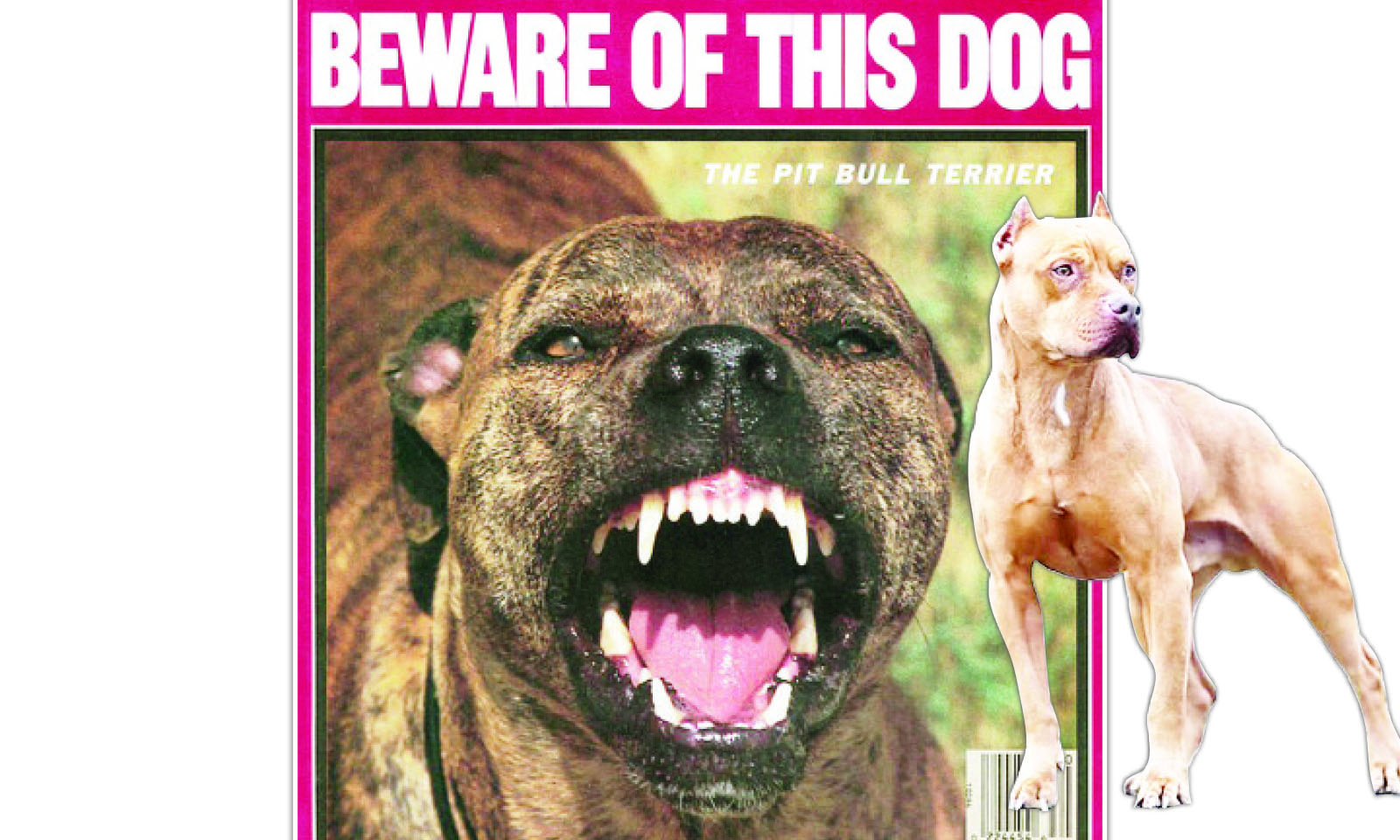
THE World’s Most Dangerous Dog!
That’s how experts describe the pit bull.
In the past two days the damage which a pit bull can inflict has become a talking point in this country after a man was killed in a vicious dog attack in Harare.
The owner of the dogs is in police custody, the four dogs have been “humanely euthanised” and a neighbourhood and city has been left to search its soul as a family counts its tragic loss.
The Zimbabwe National Society for the Prevention of Cruelty to Animals (ZNSPCA) confirmed the tragic death of Samuel Machara, 39, following the vicious attack.
“In the aftermath of this tragedy, ZNSPCA acted swiftly and has since removed all dogs from the property in question,” it said in a statement.
“The animals were humanely euthanised, in accordance with animal welfare protocols and in the interest of public safety.
“Initial assessments indicate clear evidence of neglect, confinement, and poor socialisation of the animals involved.
“Such conditions are known to severely affect canine behaviour and are especially dangerous when present in certain breeds, particularly those already classified as high-risk or dangerous.
“We urgently call on members of the public not to keep dogs if unable to provide proper care, safety, and socialisation. Ownership is a responsibility − not a right.”
A lot of focus has been thrown on the pit bull, which was identified as the killer dog in the incident on Sunday.
It has also been dubbed the ‘WORLD’S MOST DANGEROUS DOG.’
Here are some of the reasons:
- Bite Strength and Mechanics: Pit bulls have an incredibly powerful bite, estimated at over 235 pounds of pressure per square inch (PSI). They tend to bite, hold, and shake, causing significantly more tissue damage.
- Tenacity and Fight Drive: Bred for bull-baiting and later dog fighting, pit bulls have a genetic predisposition toward tenacity and aggression.
- Attacks Without Warning: Many attacks occur without provocation or warning.
- Relentless in Their Attack: Once a pit bull initiates an attack, it is difficult to stop.
- The problem is rarely the dog alone − it’s also the irresponsible owner who fails to understand the power and risk associated with owning a pit bull.
- Many of the cases involve owners who:
- – Let their pit bulls roam off-leash
- – Fail to secure fences or kennels
- – Ignore prior aggressive behaviour
- – Downplay or deny the danger their dog presents
THE DEVASTATING INJURIES PIT BULLS CAUSE:
Pit bull attacks are different from ordinary dog bites. They often result in:
- Severe facial and head injuries.
- Nerve damage.
- Amputations.
- Permanent disfigurement.
- Bone fractures.
- Psychological trauma, especially in children
Today’s pit bull is a descendant of the original English bull-baiting dog − A dog that was bred to bite and hold bulls, bears and other large animals around the face and head.
In the United States, pit bulls make up only 6% of the dog population, but they’re responsible for 68% of dog attacks and 52% of dog-related deaths.
You cannot ignore that pit bulls were bred for strength, aggression, and fighting ability. Even well-socialised pit bulls can attack without provocation.
The pit bull’s unusual breeding history has produced some bizarre behavioral traits.
Firstly, the pit bull is quicker to anger than most dogs, probably due to the breed’s unusually high level of the neurotransmitter L-tyrosine.
Secondly, pit bulls are frighteningly tenacious; their attacks frequently last for 15 minutes or longer, and nothing – noises, violent blows or kicks − can easily stop them.
That’s because of the third behavioural anomaly: the breed’s remarkable insensitivity to pain.
Most dogs beaten in a fight will submit the next time they see the victor. Not a defeated pit bull, who will tear into his one-time vanquisher. This, too, has to do with brain chemistry.
The body releases endorphins as a natural painkiller.
Pit bulls seem extra-sensitive to endorphins and may generate higher levels of the chemical than other dogs. Endorphins are also addictive.
The dogs may be junkies, seeking pain so they can get the endorphin buzz they crave, claimed The Economist suggests.
Finally, most dogs warn you before they attack, growling or barking to tell you how angry they are “so they don’t have to fight.”
Not the pit bull, which attacks without warning. Most dogs, too, will bow to signal that they want to frolic. Again, not the pit bull, which may follow an apparently playful bow with a lethal assault.
Pit bulls have been bred specifically to be aggressive. − H-Metro Reporter/



 dyton mupawaenda