admin
admin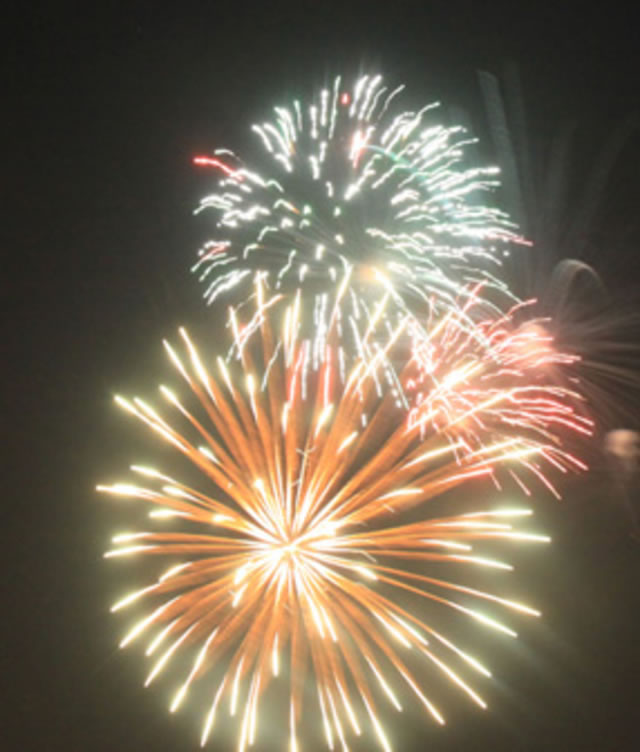
The Herald, January 1, 1972
RAIN failed to dampen the high spirits of thousands of revellers who crowded into First Street, Salisbury, last night to welcome in the New Year.
Wet but happy, they danced away the last three hours of 1971 and the first 15 minutes of the New Year to recorded music relayed through amplifiers.
Groups of laughing merry-makers linked arms and cavorted around the road while others danced alone or in pairs.
Many threw off their hats and shoes, and some ignored the rain and sat down. There was shouting, back slapping and kissing. Some carried bottles, others umbrellas.
They turned up in hot-pants, shorts, evening dresses, buttoned-up raincoats and party outfits. The dancing was organised by Salisbury Association with police approval. The Association’s director, Mr Jack Brinsley, said: “The scheme has been so successful we will probably repeat it every year.”
LESSONS FOR TODAY
- A New Year signals the start of a new calendar year. The calendar’s year count increases by one. In most countries, the New Year begins on January 1 according to the Gregorian calendar, the most widely used calendar system today.
- The coming in of the New Year is usually marked by pomp and fanfare, with people staying up to usher in the New Year while drinking and partying.
- The earliest known record of a New Year festival dates back from about 2000 BCE in Mesopotamia, where in Babylonia the new year (Akitu) began with the new moon after the spring equinox (mid-March) and in Assyria with the new moon nearest the autumn equinox (mid-September).
- The modern New Year’s day celebration stems from the ancient two-faced Roman god Janus, after whom the month of January is named.



 Online Reporter