Online Reporter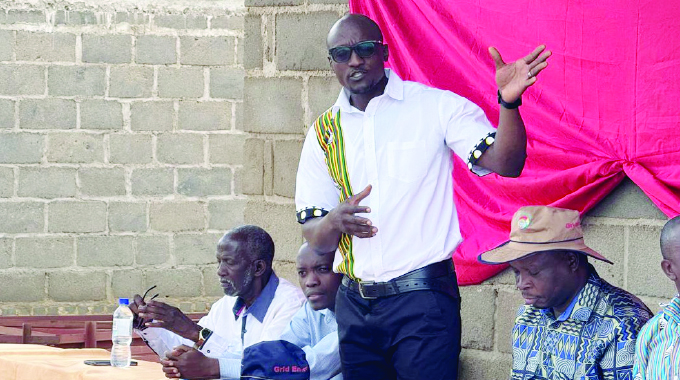
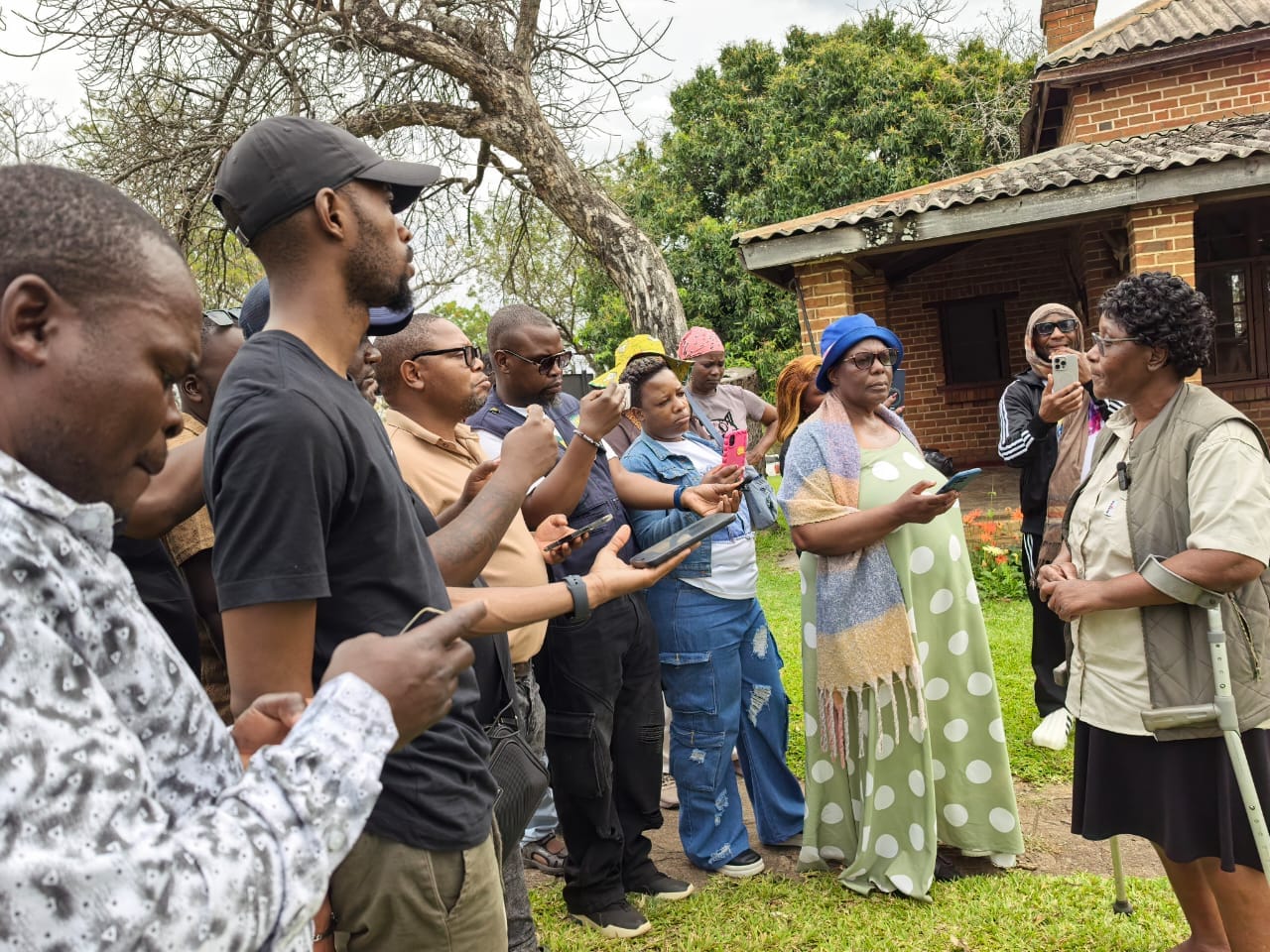
Fairness Moyana recently in Bubi
THREE schools in Bubi District — Battlefields Primary and Secondary, Makhosini Secondary and Alpha Secondary — have been connected to the national power grid, marking another milestone in the Second Republic’s rural electrification and industrialisation agenda.
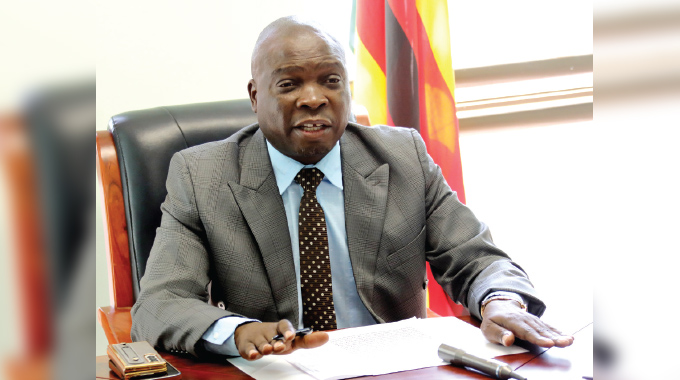
The projects, recently commissioned, were officiated by the Minister of State for Provincial Affairs and Devolution for Matabeleland North Province, Cde Richard Moyo, who described the developments as a clear demonstration of the Government’s commitment to inclusive growth and equitable access to essential services, in line with Vision 2030.
“Today, we celebrate another milestone in our transformative journey under the leadership of His Excellency, the President of the Republic of Zimbabwe, Cde Dr ED Mnangagwa. These projects bring to life the President’s mantra that ‘no one and no place should be left behind’ as we pursue education for all and sustainable rural development,” said the Minister.
The electrification projects, implemented by the Rural Electrification Agency (REA), are expected to significantly improve learning conditions, support ICT integration in schools, and stimulate economic activity within the surrounding communities.
At Battlefields Primary and Secondary Schools and Battlefields Business Centre, REA installed 4.92 kilometres of 11kV high-voltage line, 1.1 kilometres of medium-voltage line and a 50kVA substation, connecting not only the schools but also nearby Government offices, including the Registrar General’s and District Development Co-ordinator’s offices.
At Makhosini Secondary School, the project involved the installation of 500 metres of medium-voltage line, while Alpha Secondary School benefitted from 2.8 kilometres of 11kV line, 0.28 kilometres of medium-voltage line, and a 50kVA transformer substation.
The total cost of the three Bubi projects was approximately US$73 000. Meanwhile, Engineer Vincent Sande, the Provincial Rural Electrification Manager for Matabeleland North, revealed that the province had exceeded its 2024 performance targets by 20 percent.
“As a province, we operated at 120 percent of our target. We constructed 55 kilometres of high-voltage lines, 12 kilometres of medium-voltage lines, and installed transformers with a combined capacity of 630kVA. We also built three institutional biogas digesters and connected 240 households,” he said.
Looking ahead to 2025, Engineer Sande said REA has set a target of 46 institutions, with 33 already completed and 18 still in progress. He also announced major renewable energy projects underway, including a 200-cubic metre biogas digester at Khami Medium Prison Complex — one of the largest in the country — and a 50-cubic metre unit at the Lupane Government Complex.
Minister Moyo commended REA’s continued efforts to expand access to electricity in rural communities, noting that electrification remains central to rural industrialisation, devolution and decentralisation.
He also urged community leaders and residents to safeguard public infrastructure against theft and vandalism.
“These assets represent significant national investment and are crucial to our collective progress. Those involved in stealing or vandalising electricity infrastructure, especially conductors and transformers, will face the full wrath of the law,” said the Minister.
The rural electrification of schools and institutions in Bubi forms part of a broader national initiative to modernise rural infrastructure and expand access to clean energy.
To date, the Rural Electrification Fund (REF) has installed 637 solar mini-grid systems and 437 mobile solar units in rural schools, clinics, and chiefs’ homesteads. It has also commissioned 385 domestic and institutional biogas digesters across the country.
Minister Moyo concluded by reaffirming the Government’s unwavering commitment to delivering equitable and sustainable development under the Second Republic.
“Through the visionary leadership of His Excellency, President Mnangagwa, Zimbabwe is on course to achieve upper-middle-income status well before 2030,” he said.