Online Reporter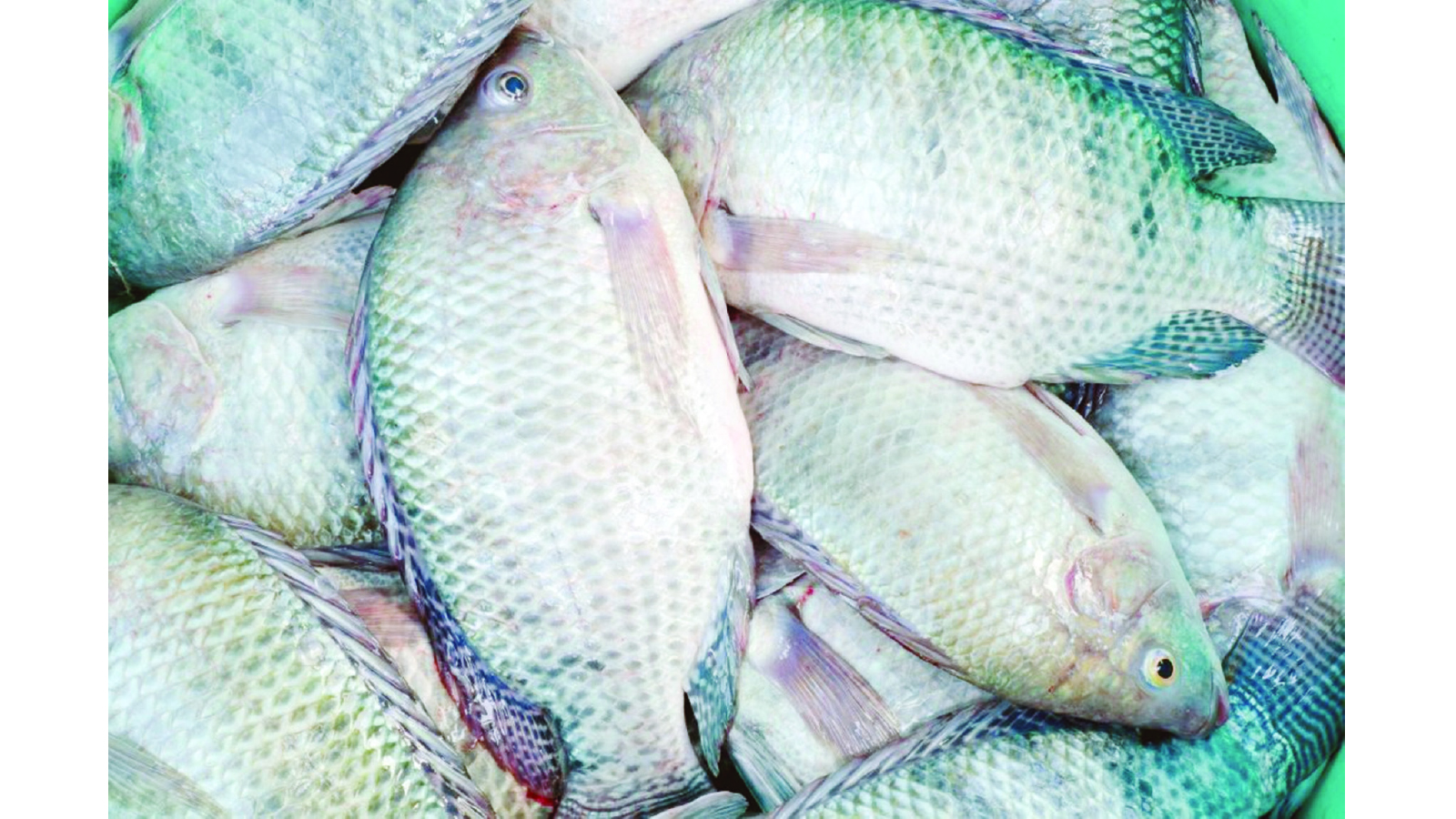
Patience Maturure
Agriculture Reporter
Government is prioritising tilapia production in its fisheries programme due to strong market demand and consumer preference, particularly among younger generations.
Lands, Agriculture, Fisheries, Water and Rural Development Minister Dr Anxious Masuka said there was a ready market for tilapia, irrespective of generation.
“Many young people do not want to eat kapenta, but if you say tilapia, that would be a better option.
“That is why we are promoting that for our fisheries programme and we are mindful that kapenta is important. We have attempted to introduce kapenta in the Tugwi Mukosi,” he said.
Observations have revealed that the water conditions at Tugwi Mukosi are not conducive to supporting large-scale kapenta populations, warranting ongoing monitoring and assessment.
“The ministry is already involved and we are coming up with some business models for fishing as a business.
“Basically, the problem with kapenta is that the lake or water has to be mature enough to generate the plankton that is required for the fish to feed, but now with tilapia, it is much easier,” he said.
Minister Masuka said the fisheries component, now consolidated under the ministry, was spearheading policy direction and had successfully developed a comprehensive Fisheries and Aquaculture Resources Development Strategy.
The shift in focus was aimed at boosting the fisheries programme’s success.
“You will be mindful that a while ago, I visited Kariba on behalf of the President and gave youths and some women some fishing rigs,” he said.
Dr Masuka said Kariba had been designated a national park, which typically falls under the Ministry of Environment, Climate and Wildlife, with the Zimbabwe Parks and Wildlife Authority overseeing its operations.
“We are saying for kapenta, yes, national parks will continue for the very good reasons that they provide to manage that.
“But from a policy perspective, it is our Ministry and we must work together,” he said.
Fish stocking is done during warm conditions from August and halted during winter, starting in the first week of May when temperatures drop, with tilapia-breams being considered the most ideal species for intensive production.
The initiative aims to boost fish production, enhance food security and improve livelihoods, especially in rural areas.
The fisheries programme stands as a testament to the Second Republic’s commitment to driving positive change and inclusive development under the Rural Industrialisation 8.0 policy agenda.