Online Reporter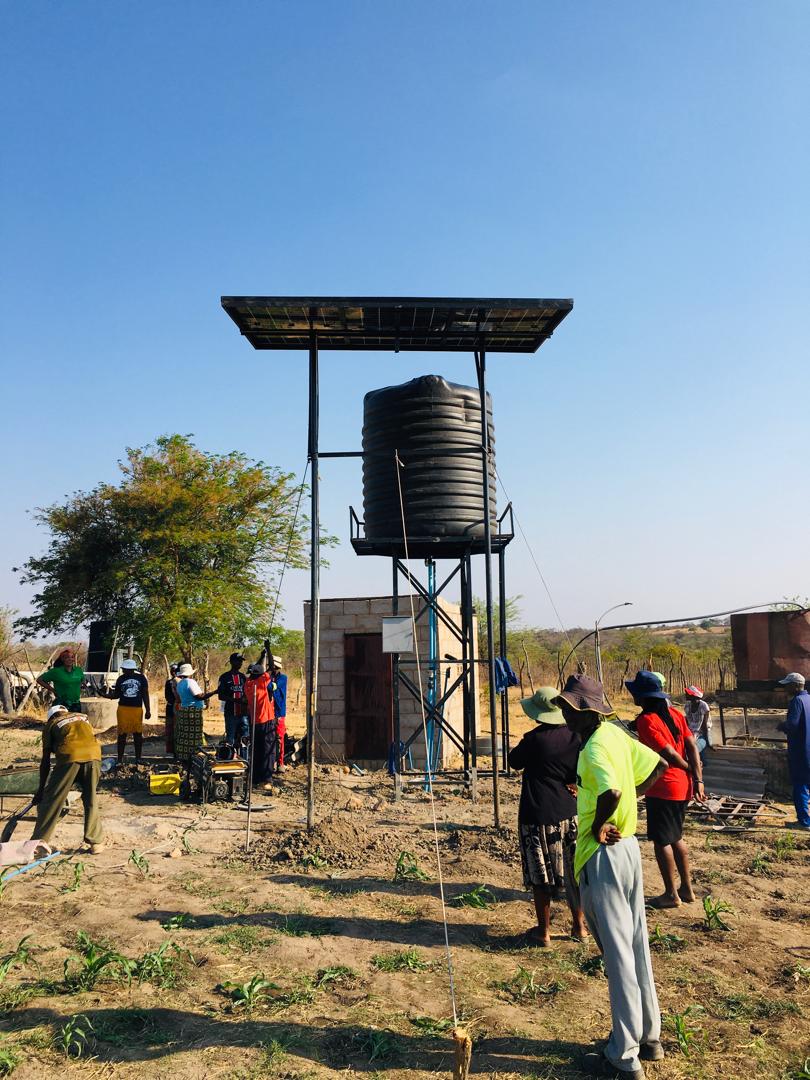
Theseus Mauruki Shambare in Mangwe District
AGRICULTURAL production in Matabeleland South is gradually expanding as irrigation systems introduced through the Tobacco Industry and Marketing Board (TIMB) begin to reduce dependence on rainfall in a region historically constrained by drought and erratic weather patterns.
The interventions, implemented under TIMB-supported programmes in collaboration with private sector partners, are enabling smallholder farmers to venture into tobacco production and diversify into mixed farming systems that combine crops and livestock.
In Mangwe District, farmers say solar-powered irrigation infrastructure has improved their ability to establish crops on time and manage production risks linked to unpredictable rainfall.
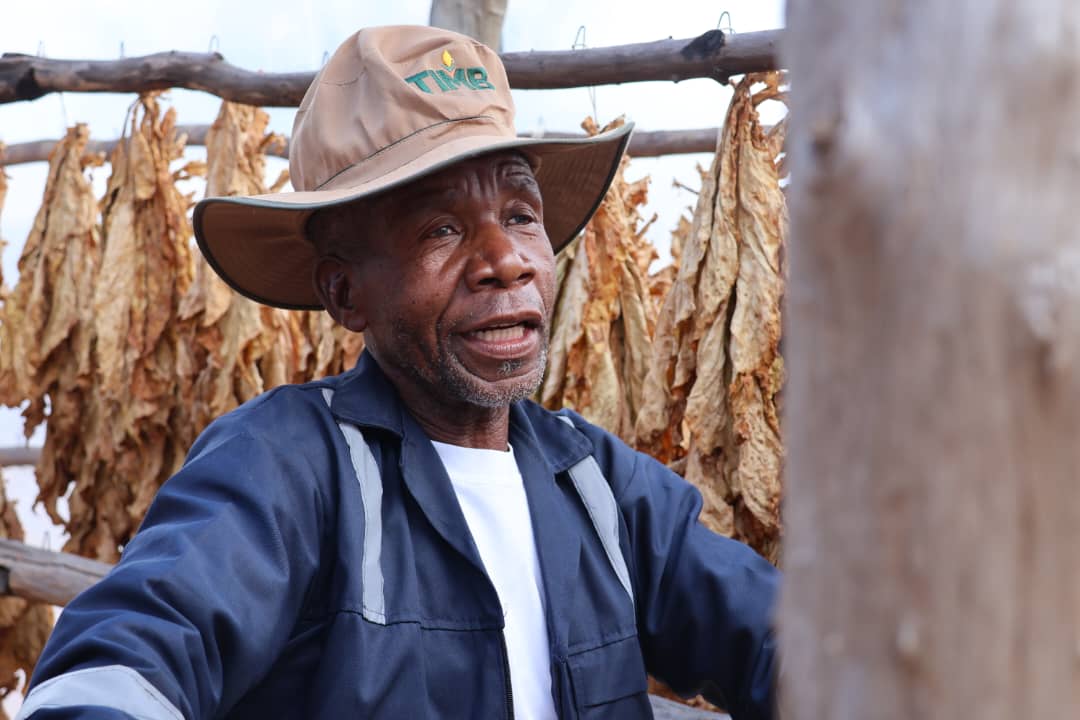
For Mr Reuben Khumalo of Marula, access to irrigation support has marked a turning point in production planning under contract farming arrangements.
He said earlier seasons were characterised by uncertainty, forcing him into labour-intensive night-time watering while waiting for rainfall to stabilise.
“I was planting using water, pouring water into it, waiting for the rains until the moon set,” he said.
With improved pumping systems introduced through TIMB-backed initiatives, Khumalo said he now has greater confidence to expand production.
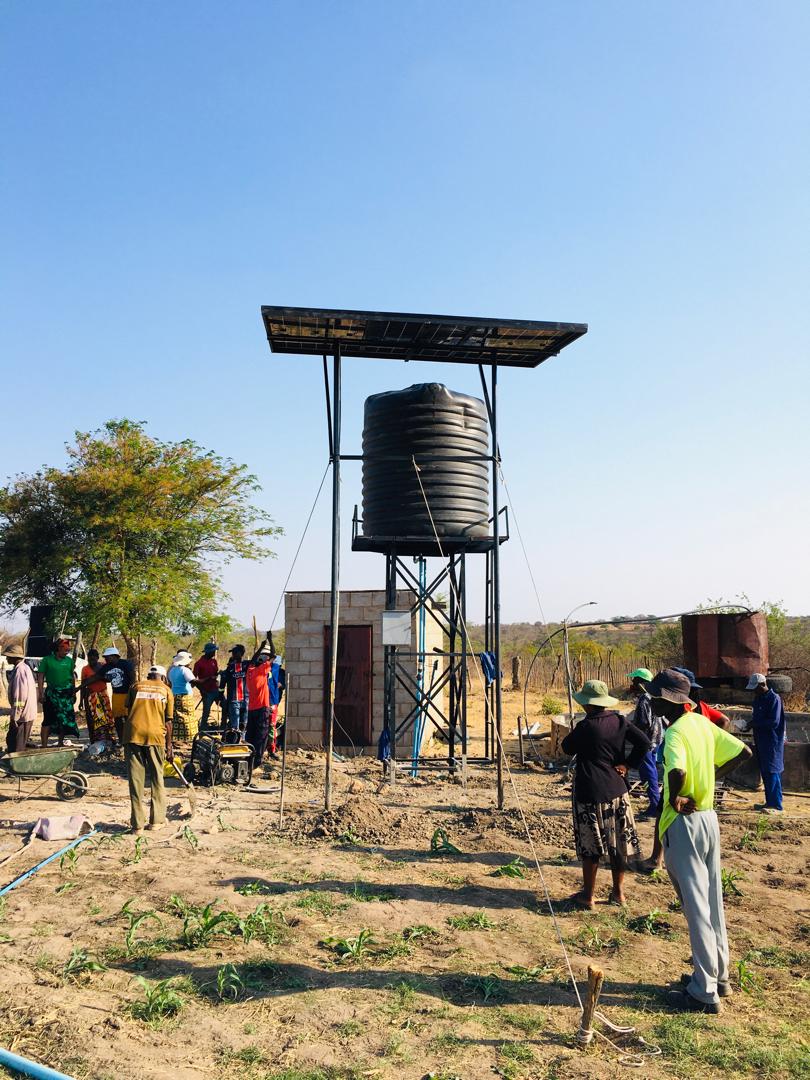
“Now we are compelled and willing to even increase hectares because we are empowered with this efficient pumping system,” he said.
Matabeleland South typically receives between 450 and 500 millimetres of rainfall annually, making dryland farming highly vulnerable to seasonal shocks.
Farmers in the province have in recent years experienced alternating drought conditions and excessive rainfall, both of which affect planting schedules and yields.
TIMB spokesperson Ms Chelesani Moyo-Tsarwe said irrigation development is a strategic pillar in expanding tobacco production into new agro-ecological regions, particularly in semi-arid areas like Matabeleland.
“The expansion of irrigation systems is central to our strategy of ensuring that tobacco production is no longer confined to traditional high rainfall areas. We are deliberately supporting farmers in semi-arid regions to adopt climate-smart production systems that improve productivity, resilience and participation in the tobacco value chain,” she said.
Atlas Agri, one of the private partners supporting the programme, says the introduction of Natural Cured Virginia (NCV) tobacco production in Matabeleland is part of a broader expansion drive that is bringing more farmers into the value chain.
Mr Rodrick Musiiwa, a tobacco expert at Atlas Agri, said NCV tobacco production in Matabeleland began in 2024 with just 17 farmers.
He said the programme has now grown significantly.
“The programme now has 395 farmers, with around 150 coming from the small-scale sector,” he said.
Musiiwa said the expansion reflects growing farmer interest and improved support systems being rolled out in the region.
He added that the company is also prioritising youth participation in tobacco production as part of broader empowerment efforts.
“We are encouraging youths to train in NCV tobacco production so that they can be economically empowered,” he said.
Other farmers in the same programme are reporting similar shifts in livelihoods linked to improved production systems.
Ms Lydia Ndlovu said income from her previous tobacco season allowed her to acquire household furniture — a milestone she described as a shift from survival to asset building.
“This crop changed how we see income. It is no longer just survival, but something that builds the home,” she said.
First-time farmer Ms Sibongile Mathe said tobacco farming had introduced new possibilities for expansion.
“I started small, but I am planning to expand next season if conditions remain favourable,” she said.
Farmers say irrigation systems are being complemented by contract farming arrangements that provide inputs, technical support and guaranteed markets, reducing some of the risks associated with entering tobacco production in marginal areas.
However, challenges remain, including labour shortages, limited mechanisation and the cost of maintaining irrigation infrastructure at household level.
Agricultural experts note that while irrigation is improving productivity and enabling diversification, long-term sustainability will depend on continued investment in water systems, training and climate-smart agricultural practices.
For many households in Mangwe, tobacco is increasingly becoming part of a broader diversification strategy that includes maize production and small livestock such as goats, helping families spread risk and stabilise incomes.
As irrigation adoption grows, TIMB-backed systems — supported by private players such as Atlas Agri — are emerging as a key driver of agricultural expansion and rural economic transformation in Matabeleland South, reshaping how farmers use land and respond to climate uncertainty.


 Bongani Ndlovu