Moffat Mungazi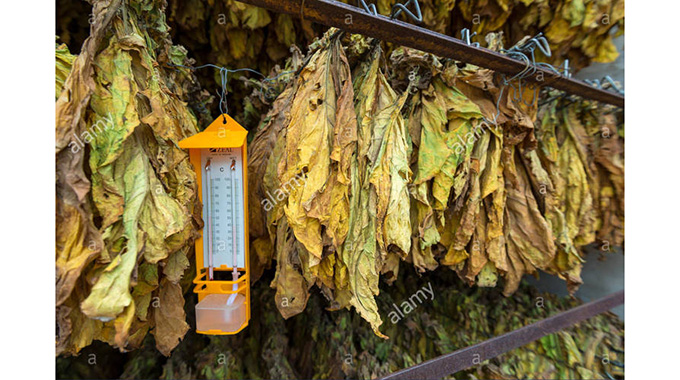
Lovemore Kadzura
Post Reporter
THE Tobacco Industry and Marketing Board (TIMB) and farmers have expressed their readiness for the upcoming marketing season, with the latter assuring stakeholders that it will be strictly monitoring the process to operate smoothly.
In Rusape, TIMB has licensed eight contract floors to buy tobacco only from their contracted farmers, and has this year, banned the sale of non-contracted tobacco to contractors.
TIMB has directed that all free-funded tobacco should be sold only at licensed auction floors.
Previously farmers and merchants were allowed to buy free funded tobacco from farmers.
TIMB spokesperson, Mrs Chelesani Moyo-Tsarwe told The Manica Post that they have engaged all the stakeholders for the smooth flow of the marketing season.
She added that contractors are being reminded to adhere to the payments deadlines for sold tobacco and avoid short-changing farmers.
“As part of the marketing season preparations, the TIMB board held a stakeholder meeting in Harare with players in the industry to ensure that all participants understand the requirements for orderly marketing. Similar meetings will be held at regional level with stakeholders at the respective TIMB regions. The meetings seek to emphasise the industry’s commitment to sustainability, efficiency and orderly marketing to support farmers and maintain the country’s position as a top global tobacco producer.
“TIMB has put in place measures to ensure that tobacco farmers receive their payments promptly. According to Statutory Instrument 77 of 2022, all tobacco growers are entitled to be paid within 48 hours of completing sales. TIMB has reaffirmed its commitment to this regulation and encourages farmers to report any delays beyond this timeframe for assistance,” said Mrs Tsarwe.
A tour of farms in Headlands revealed that most farmers, both with irrigated and rain-fed crop, are ready for the marketing season.
Mrs Charity Dzingorira said she has already commenced reaping her irrigated tobacco, and in a week’s time she will be attending to the rain-fed one.
She took the opportunity to encourage other women to venture into tobacco farming as it is a highly rewarding business which can positively change their lives despite the associated costs, especially for a first time farmer.
“This season, we have 20ha of tobacco under both irrigation and rain-fed. We are now at sucker riding stage on our rain-fed tobacco. We will commence reaping very soon. The leaves are maturing well. We are receiving rains almost on a daily basis but, it is not affecting us as we have adequate drainage system to flash away excess water in the fields.
“We are relived that TIMB has decentralised the auction floors to tobacco growing hubs as this will go a long way in reducing costs of doing business. Transport costs have been minimised, and risks such as theft of bales along the way have been reduced.
“Tobacco is not an easy crop to grow as it requires a lot of passion. If you do not have passion, one will easily give up. The crop has so many stages before reaching the auction floors. It requires intensive labour and associated costs. It requires a lot of resilience and it is also capital intensive.
“I have been growing tobacco since 2013, and it is a rewarding venture. I encourage other women to take it up. I have achieved a lot through tobacco farming,” said Mrs Dzingorira.
At Mr Fungai Tsikwa’s Plot 8, Boom Farm, Headlands, there was a hive of activity as they were busy with reaping, curing and bailing the golden leaf.
Mr Tsikwa said they are ready to deliver right on the opening day, and was optimistic of his crop fetching high prices.
“We are ready for the marketing season. Already we have 150 tonnes of cured tobacco. We are now on our seventh reap, and our crop is of high quality. We did both irrigation and rain-fed crop which are all in good state. We are ready for the marketing season.
“We have a good crop this season which fetches high prices on the market. From the tobacco we have this season we are expecting an average price of US$3,80 per kilogramme. We are carefully monitoring the curing process so that our tobacco come out perfect. Usually farmers make a number of mistakes in the barn which end up affecting the quality of their crop,” said Mr Tsikwa.


 Online Reporter