


 Online Reporter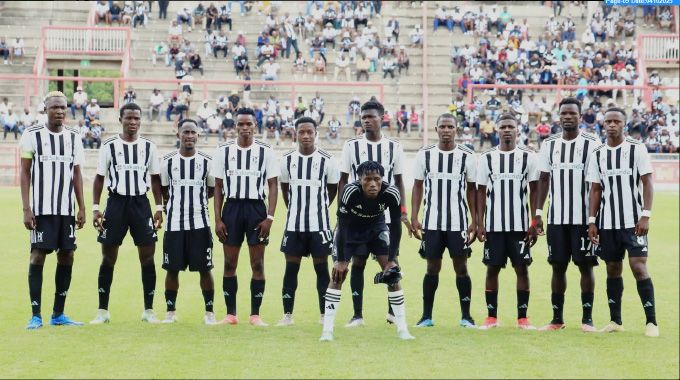
Lovemore Dube, Zimpapers Sports Hub
Could today mark a disastrous Black Sunday for Chicken Inn, Dynamos, and Highlanders — three storied clubs that have dominated Zimbabwean football over the past two decades?
The curtain comes down this afternoon in a championship race dominated by three of the Premiership’s better-funded clubs Scottland, Simba Bhora and MWOS.
Scottland were crowned champions in Gweru yesterday in a colourful event at which Sungura King, Alex Macheso performed.
But the real drama unfolds this afternoon as Dynamos and Highlanders, two of Zimbabwe’s oldest and most celebrated football institutions, face the grim spectre of relegation.
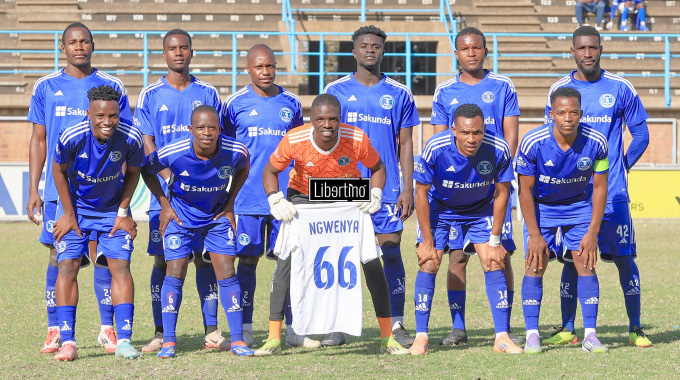
These clubs, once giants of the game, now find themselves fighting for survival on the pitch, a crisis that reflects deeper struggles both on and off the field. Reaching the final matchday with relegation looming is a bitter reality for Dynamos and Highlanders, signalling not just a poor season but a potential turning point that could redefine their futures, for better or worse.
Highlanders on 38 (1), Chicken Inn 38 (-2), Manica Diamonds 38 (-4), Dynamos 38 (-6) Triangle 37 (3), Bikita Minerals 37 (-12), Green Fuel on 36 (-2) and Yadah who played against Simba Bhora yesterday, were all in the mix for the drop with Kwekwe United already confirmed relegated.
It is apparent that Dynamos and Highlanders cannot compete with better-funded teams of the PSL. And for how long can they ride on past glory?
It is long overdue for serious reform in how Dynamos and Highlanders are managed, these clubs must transition to a shareholder ownership model. The current trustees urgently need to engage widely and identify a sustainable, professional framework for the future.

These historic teams desperately need owners willing to invest substantial resources into building real football businesses, not the current culture of appeasement, where coaching hires are handed to ex-players or cronies tied to the executive or board.
For too long, decisions at both clubs have been driven by mass groups lacking football knowledge or business acumen.
Elections have become popularity contests rather than merit-based selections focused on what candidates can truly bring to the club in terms of skills, leadership, and vision.
Vote-buying is rampant even at the club level, with blocs voting blindly, not on the club’s best interests but due to peer pressure or personal loyalties to candidates whose capabilities they barely understand.
The era when leaders rose through the ranks as dedicated volunteers with proven commitment is gone. Today’s self-serving officials prioritise personal gain and public profiles over the clubs’ welfare.
This toxic leadership culture has crippled both clubs, driving away serious sponsors and investors who refuse to back failing projects with no clear vision for the future. If urgent changes are not made, Dynamos and Highlanders risk even deeper decline, one or both could soon find themselves playing in Division One, a fate unthinkable for such giants of Zimbabwean football.
While Highlanders rally their loyal supporters, vowing that even at Greenspan their fans will stand by them through thick and thin, the harsh reality is that sustaining the same business appeal in Division One as in the Premiership is highly unlikely.
Dynamos’ value and appeal among their fans have steadily eroded over the past 25 years. Attendance figures have plummeted, while Highlanders have risen to become the PSL’s cash cow, contributing a staggering 40 percent of gate revenue.
The turmoil at Dynamos is nothing new. Power struggles stretching back to 1975, when the late Morrison Sifelani was ousted as chairman, have cast a long shadow over the club — so much so that even the most passionate supporters are losing faith.
Meanwhile, the “new boys” in the Northern Region have not only emerged as fresh destinations for players but have also captured the hearts of fans, chipping away at the dominance once held by these football giants.
Back in the day, clubs like Dynamos and Highlanders competed alongside community teams such as Arcadia, Black Aces, Gweru United, Mutare United, and Zimbabwe Saints, sharing the rich heritage of local football.
Today, what is unfolding at Bosso and DeMbare eerily mirrors the fate of those fallen community teams: internal strife leads to poor results and eventual collapse.
If these clubs are to survive, the upcoming off-season must be a period of brutal self-reflection. Is there insider trading involving players?
Are coaches pressured into questionable technical decisions? How transparent and honest are administrators in their dealings with external parties? Once upon a time, any player at Dynamos or Highlanders was considered potential national Under-20, Under-23, or senior team material. Now, contracts are handed out liberally to anyone who can kick a ball. The 2025 season debacle should serve as a wake-up call — demanding better administrators, coaches, and players.
Fans have watched coaches come and go, while board members and executives linger, entrenched and stagnant. It’s high time for term limits to inject fresh ideas and energy that can propel these clubs forward.
Bosso cannot continue to cling to the glories of the late Ndumiso Gumede’s 1980s achievements or Silas Ndlovu’s successes from the 1970s to the early 1990s.
Likewise, Dynamos must stop living in the past of Sunday Chidzambwa and Kallisto Pasuwa’s legendary coaching eras.
Administrators and players must step up and embrace the heavy responsibility before them—stop being complacent or self-serving. By clinging to power, they are slowly burying the clubs’ proud legacies.
This crisis should ignite a fierce determination. Dynamos must reclaim its status as the glamorous football powerhouse it once was, while Bosso should rise from this turmoil and mark its centenary with a celebration worthy of its storied history.
Fixtures
Sunday
GreenFuel v Triangle (GreenFuel Arena), Chicken Inn v Highlanders (Barbourfields Stadium), Manica Diamonds v Bikita Minerals (Sakubva Stadium), Dynamos v FC Platinum (Rufaro Stadium), Kwekwe United v Caps United (Ascot Stadium)


 Bongani Ndlovu