

 Tendai Gukutikwa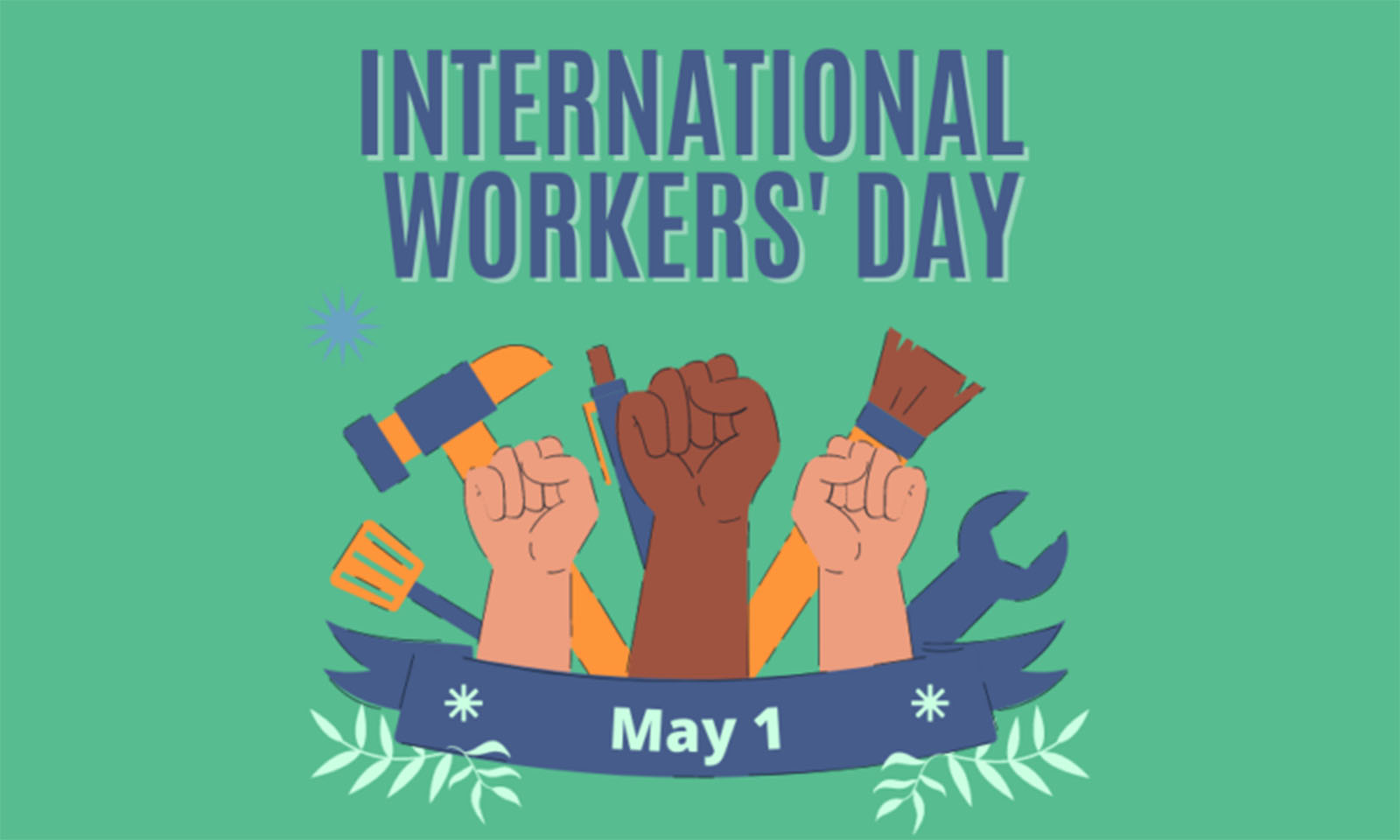
Gibson Mhaka, Zimpapers Politics Hub
AS Zimbabwean workers yesterday (Thursday) joined the rest of the world in commemorating International Workers’ Day, it’s crucial to remember that this day serves as a reminder of their tireless efforts, dedication, and resilience, as they are unsung heroes who are also a cornerstone of Zimbabwe’s progress towards Vision 2030.
Also called May Day or International Workers’ Day, this day was first commemorated in 1889 and celebrates the struggles and gains made by workers and the labour movement; it is observed in many countries on May 1.
Beyond celebrating their efforts, the day also serves as a reminder of the importance of workers’ rights and the need for fair employment practices.
Zimbabwe joined the international movement just after independence and has since kept the commemorations going in various forms.
So, Workers’ Day remains important as each year, we concentrate our attention on our progress, how fairly we are moving forward and how we should correct deviations and stay on the right path.
Since Zimbabwe began commemorating this significant day after independence, the resilience of its workers has been consistently demonstrated and should be deeply valued. Year after year, through various economic and social landscapes, Zimbabwean workers have persevered, contributing their skills and labour to the nation’s progress.
Their continued dedication, in the spirit celebrated by Workers’ Day, underscores their vital role and unwavering commitment to building a better future for Zimbabwe.
As Zimbabwe advances towards attaining Vision 2030, there is a growing need to recognise and value the immeasurable contributions of its workers to economic development.
Indeed, the pursuit of Zimbabwe’s Vision 2030 is significantly propelled by the tireless efforts of its workers, often the unsung heroes of this national progress.
Across industries, from agriculture and mining to manufacturing and the burgeoning service sector, these individuals form the backbone of the nation’s economic aspirations.
Their daily dedication, the skills they bring to their tasks, and their unwavering resilience in the face of challenges are the very engine driving Zimbabwe towards its developmental goals.
While leadership sets the strategic direction, it is the collective energy and commitment of the workforce that translates vision into tangible realities, making them the often unacknowledged yet indispensable architects of the nation’s future prosperity.
Their hard work forms the very backbone of the nation’s industries, driving productivity, innovation, and growth across all sectors.
This unwavering commitment and the skills they bring to the workforce are indispensable assets in realising the country’s ambitious goals for a prosperous future.
Their productivity and resilience are also key drivers of economic growth and development. Consequently, addressing the challenges they face and ensuring their welfare and empowerment are critical for unlocking their full potential and achieving the nation’s aspirations for an upper-middle-income society by 2030.
Indeed, a skilled and motivated workforce is essential for adopting new technologies, improving production processes, and increasing overall efficiency across all sectors of the economy, a point underscored by the World Bank’s emphasis that Zimbabwe needs to achieve productivity growth rates of eight to nine percent per year to reach its Vision 2030 goals.
President Mnangagwa is well aware that workers are the cornerstone of the country’s progress towards Vision 2030 and has on many occasions paid tribute to their contribution towards achieving national developmental goals. He has also challenged employers to adequately remunerate and incentivise their staff.
He has also reiterated the need to uphold workers’ rights and enhance decent working conditions, which improve the welfare of employees across sectors, as key indicators towards achieving the country’s vision of an upper-middle-income economy by 2030.
“Workers are indeed the cornerstone of our aspirations towards the attainment of Vision 2030, guiding us towards a future of prosperity, equity and sustainable development as we strive to attain a prosperous and empowered upper- middle-income society,” he said.
“To the employers, I urge you to look after and appropriately reward the goose that lays the golden eggs, that is our workers through not only monetary incentives, but also other innovative means such as access to affordable housing and empowerment projects,” President Mnangagwa said.
He said his Government remains committed to facilitating an ecosystem that ensures the effective protection of workers from all acts of exploitation and called upon all relevant entities to protect and promote the rights of workers through responsible and ethical business practices.
“We take great pride in our commitment to fostering a thriving and equitable work environment, as evidenced by our recent signing of the Decent Work Country Programme with development partners.
“This significant milestone signifies not only our dedication but also the collaborative efforts of our esteemed social partners who stand united with us in our shared mission,” said President Mnangagwa.
President Mnangagwa’s statements clearly demonstrate his recognition and appreciation for the resilience and vital role of Zimbabwean workers.
Through referring to them as “the cornerstone of our aspirations towards the attainment of Vision 2030,” he highlights their indispensable contribution to the nation’s progress.
His urging of employers to “look after and appropriately reward the goose that lays the golden eggs” further emphasises his understanding of the workers’ value and the need to support their well-being, not just through monetary compensation, but also through access to essential resources like affordable housing and empowerment projects.
This approach reveals a leadership that acknowledges the hard work and dedication of the workforce as fundamental to achieving Zimbabwe’s long-term developmental goals.
Labour union, the Zimbabwe Congress of Trade Unions (ZCTU), once acknowledged that President Mnangagwa’s “Nyika inovakwa nevene vayo/ Ilizwe lakhiwa ngabaninilo” philosophy was people-oriented and resonated with the inclusive Zimbabwe everyone wanted.
Under the Second Republic, the welfare of workers has continued to be a top priority. Demonstrating its commitment to cushion workers, the Government is providing non-monetary incentives that include duty-free importation of vehicles and subsidised transport for civil servants through the provision of buses to and from work.
Therefore, the Government must continue to demonstrate this commitment to the welfare of its workers through consistent and comprehensive policies.
As the nation diligently works towards achieving Vision 2030, ensuring the well-being and empowerment of the workforce will be paramount to sustaining progress and fostering an inclusive economy.
Ultimately, recognising and actively supporting the needs of Zimbabwean workers is not just a matter of social justice, but a strategic imperative.
As the cornerstone of the nation’s aspirations, their continued resilience and productivity, nurtured by supportive governmental policies, will be the driving force behind realising the envisioned prosperous and empowered upper-middle-income society.



 Online Reporter