

 dyton mupawaenda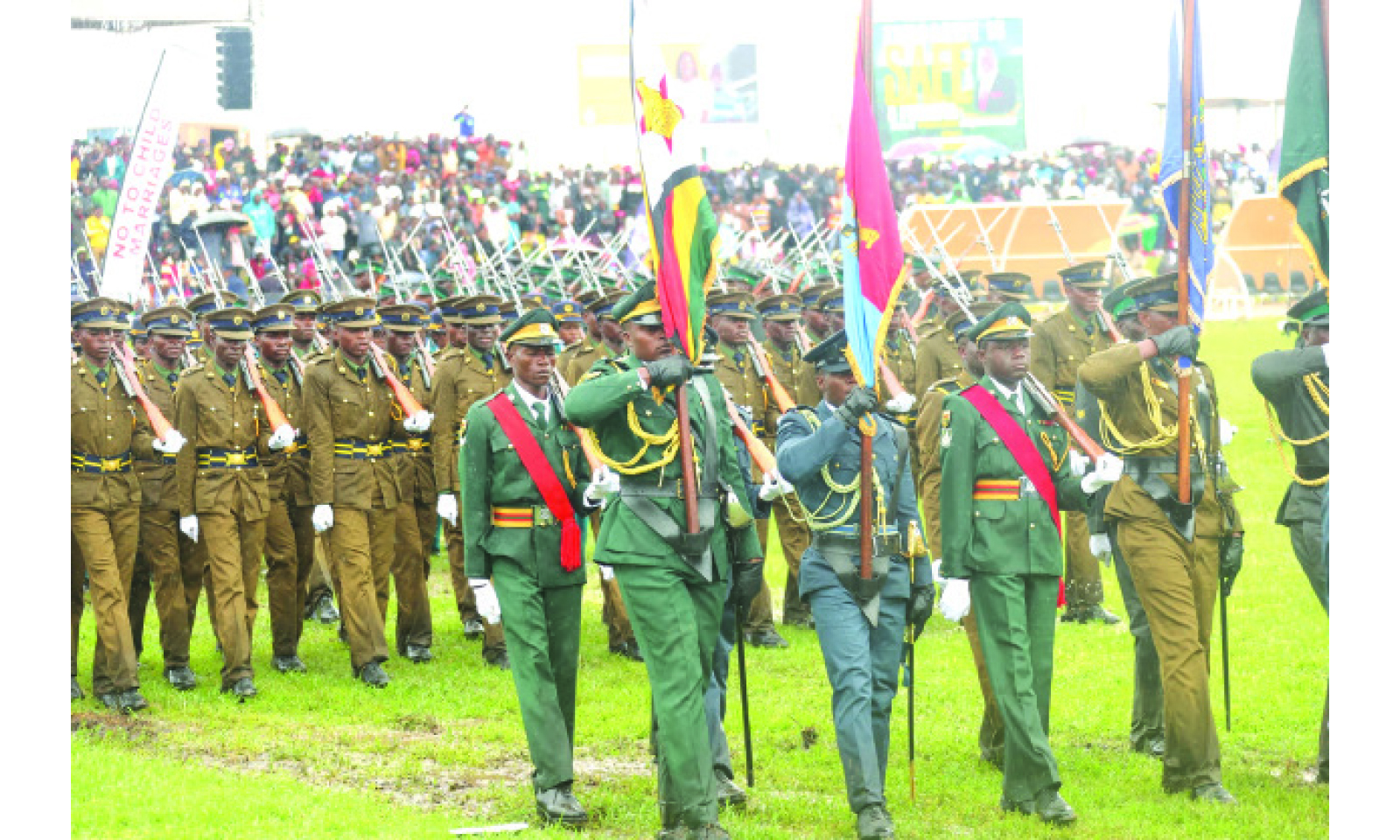
Innocent Mujeri
As Zimbabwe commemorated 45 years of independence, President Mnangagwa’s speech in Gokwe-Nembudziya resonated not merely as a ceremonial address but as a repository of wisdom for a nation navigating the complexities of modernity while honouring its past.
Embedded within its pages were enduring lessons that, if embraced, could steer Zimbabwe towards the Vision 2030 aspirations of prosperity, unity and resilience. These insights transcend political rhetoric, offering a blueprint for collective progress in a world fraught with challenges.
Central to the President’s message was the indomitable spirit of resilience, a trait etched into Zimbabwe’s DNA through generations.
The speech paid homage to the forebears who endured colonial displacement, surviving in tsetse-fly-infested lands to build thriving communities. Their legacy is a testament to the power of perseverance — a lesson as relevant today as it was during the liberation struggle.
Modern Zimbabweans face their own battles: economic sanctions, climate-induced droughts, and global market volatility. Yet, the resolve to “defy the odds, break records, and realise uncommon development successes” mirrors the tenacity of those early pioneers.
The takeaway was clear: adversity is not an endpoint but a catalyst for innovation. Farmers adopting climate-smart Pfumvudza techniques or communities rebuilding after floods exemplify this ethos, proving that resilience is not passive endurance but active reinvention.
Equally vital was the call for unity in diversity. The President’s emphasis on inclusivity — “no matter gender, tribe, age, or political affiliation” — underscored a vision of Zimbabwe as a mosaic of identities united by shared purpose. This is not mere idealism; it is pragmatic necessity. A nation fragmented by division cannot harness its full potential.
The speech reminded citizens that independence was won through collective sacrifice, symbolised by heroes like General Tongogara and Cde Takawira, whose contributions transcended regional or ethnic lines. Today, this unity must manifest in support for local industries, collaboration across sectors, and rejection of divisive narratives, particularly on social media.
The President’s caution against “shadowy elements” exploiting digital platforms to sow discord was a timely warning. In an age where misinformation spreads faster than truth, Zimbabweans must cultivate digital literacy alongside patriotism, ensuring that unity is not fractured by virtual provocations.
Economic self-reliance emerged as another cornerstone. The speech highlighted strides in agriculture, mining, and manufacturing, driven by policies such as land reform, title deed issuance, and youth empowerment schemes. These initiatives are not merely governmental projects but invitations for citizen participation.
When the President urges Zimbabweans to “buy local produce” and invest in agri-businesses, he invokes a philosophy of self-sufficiency rooted in pride and practicality.
The success of programmes like the Presidential Heifer Scheme or rural industrialisation demonstrates that development begins at the grassroots. Each purchase of a locally made product, each investment in a small enterprise, becomes an act of nation-building.
This ethos aligns with the broader African agenda of intra-continental trade and value addition — a reminder that Zimbabwe’s prosperity is intertwined with that of its neighbours.
Yet, economic ambitions must be tempered by environmental and social stewardship. The speech acknowledged the devastating impact of climate change, from droughts to floods, urging urgent investment in climate-resilient infrastructure. Here lies a critical lesson: development cannot be pursued at the expense of sustainability.
The rehabilitation of schools, clinics, and water systems in disaster-prone areas reflects a commitment to balancing progress with preservation. Similarly, the focus on vocational training and STEM education underscored the need to prepare youth for a future where technology and tradition coexist.
By equipping young people with skills in science and innovation, Zimbabwe ensures that its industrialisation drive is both inclusive and forward-thinking.
The address also delved into the moral fabric of society, advocating for the preservation of traditional values — “love, mutual support, trust, and hard honest work.” In a rapidly globalising world, these principles act as anchors, preventing the erosion of cultural identity.
The President’s plea to protect the vulnerable — the elderly, orphans, and those battling addiction — reinforces the African philosophy of ubuntu,where community welfare supersedes individualism. This is not nostalgia but a strategic imperative: societies that neglect their moral foundations risk internal decay. Families, churches, and civil society are thus challenged to foster cohesion, ensuring that economic growth translates into holistic well-being.
On the international stage, Zimbabwe’s mantra of being a “friend to all and enemy to none” reflects diplomatic pragmatism. By chairing SADC and fostering cross-border partnerships, the nation positions itself as a bridge-builder in a fractious world. This external engagement, however, is rooted in domestic priorities: attracting investment, enhancing trade, and leveraging diaspora contributions.
The speech’s message to expatriates — to “speak well, defend, and promote national interests” — acknowledged their role as ambassadors. It also hinted at a broader truth: national pride is not confined by geography. Whether in Harare or London, every Zimbabwean carries the responsibility of shaping their country’s narrative.
Crucially, the President’s vision is underpinned by an unwavering belief in human agency. The assertion that “Nyika inovakwa, inotongwa, inonamatirwa nevene vayo” (A country is built, governed, and prayed for by its owners) is a clarion call for citizen ownership. From civil servants signing performance contracts to communities maintaining boreholes, accountability is decentralised.
This decentralisation is mirrored in the devolution agenda, which brings development to provincial doorsteps, ensuring that growth is not monopolised by urban centres. Such an approach democratises progress, making every Zimbabwean a stakeholder in the national project.
In reflecting on these lessons, one cannot overlook the spiritual undertones of the address. The alignment of Independence Day with Easter was portrayed as providential, symbolising renewal and hope. The invocation of Philippians 4:13 — “We can do all things through Christ who strengthens us” — merges faith with fortitude, suggesting that Zimbabwe’s journey is as much a moral endeavour as a political one.
This spiritual dimension, however, does not overshadow practical governance; rather, it complements it, offering a source of resilience in trying times.
As the speech concluded with the rallying cry, “Long live Zimbabwe,” it leaves citizens with a charge: to honour the past, engage with the present, and innovate for the future.


 Bongani Ndlovu
 Online Reporter