Moffat Mungazi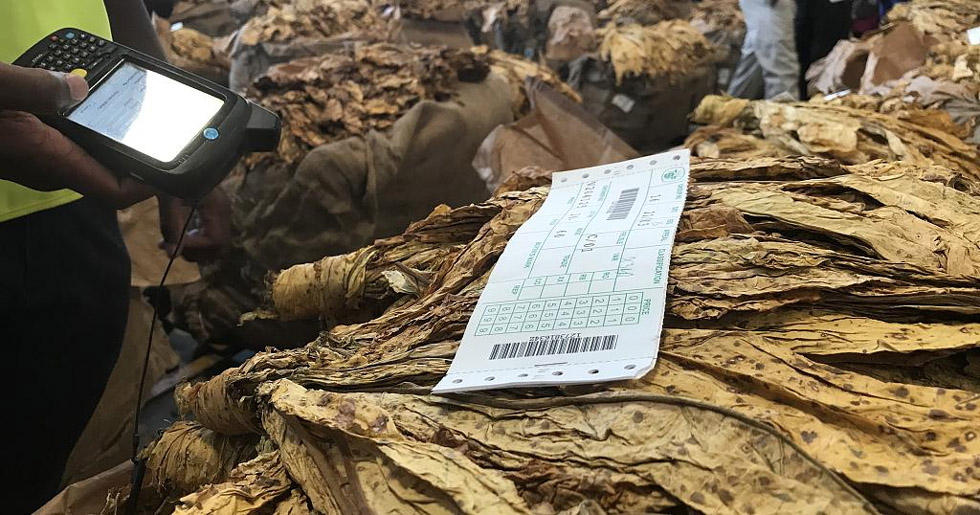
Samuel Kadungure
News Editor
AS the 2025 tobacco marketing season is set to commence on March 5, a sense of anticipation, mixed with apprehension pervades the golden leaf farming community.
Growers have been eagerly waiting for the opportunity to sell their golden leaf, but their enthusiasm is tempered by disappointment and concern.
The Tobacco Industry and Marketing Board (TIMB) last week announced that the 2025 tobacco selling will commence on March 5 and March 6 for contract sales.
“All stakeholders are advised that the 2025 tobacco marketing season will open on Wednesday, March 5, 2025, starting with auction tobacco sales. Contract tobacco sales will commence the following day, Thursday, March 6, 2025,” reads the TIMB communique.
The 2025 tobacco selling season comes as the Reserve Bank of Zimbabwe last week reduced the foreign currency export retention level from 75 percent to 70 percent.
The reduction in foreign currency retention levels has sparked widespread discontent among farmers, who argue that it will erode their profitability and viability.
Many fear that the decreased returns will push some farmers to abandon tobacco farming altogether, while others worry about the potential for side-marketing.
Zimbabwe is expecting 300 million kg of tobacco this season after farmers increased the area under tobacco to 84 661 hectares, surpassing last year’s 82 392 hectares.
Tobacco is the country’s second largest foreign currency earner after gold, with about 98 percent of the locally produced crop exported in semi-processed form, amid growing calls for value addition.
There has been high demand of the cash crop in China, and funding from both Government and private tobacco companies have boosted output.
Tobacco farmers Union Trust president, Mr Victor Mariranyika said growers with irrigated tobacco are ready to sell their crop.
“We appreciate the early opening of tobacco selling season because those who have irrigated crop are more than ready to sell their crop and access the much-needed money to fund other activities.
“For those who did the rain-fed crop, they are at different stages of production, and those who have started reaping, can send some few kilos at the opening to get cash. The season is likely to start with low volumes because of the long dry spelling experienced last year. However, we are expecting more volumes compared to last season,” said Mr Mariranyika.
On the move by RBZ to reduce the foreign currency retention level for tobacco farmers from 75 to 70 percent, Mr Mariranyika said: “We were expecting a higher foreign currency retention for the farmer’s viability and sustainability.
“Tobacco input cost are 100 percent in foreign currency, be it labour, transport, fuels, retooling and settlement of contract loans. It would have been better if ZiG was gradually included in the production line. It is clear that farmers are not benefiting in the tobacco production and selling models. Only merchants and their surrogates are benefiting. At least an upward review of the foreign currency retention can save the tobacco farmer.”
Zimbabwe Farmers’ Union echoed similar sentiments.
“This means that exporters, e.g, tobacco farmers, will surrender 30 percent of their foreign currency earnings, which will be paid in ZiG at the prevailing official RBZ exchange rate. This is a review up from 25 percent.
“The Governor completely disregarded our plea, and instead went on to do the opposite. We had hoped that this would be reduced to around 10 to 20 percent, or in the long shot, scrapped altogether.
“While this measure creates more liquidity for Government, it hurts exporters the most since they require foreign currency for importing spare parts and other capital needs.
“Currently the exchange rate premium between the official and parallel market is plus or minus 35 percent. Exchanging their foreign currency at a discounted rate will erode exporters’ bottom line,” said ZFU.
Manicaland has increased its area under the crop to 16 358 hectares, up from 13 899 hectares, while Mashonaland Central has taken the lead with 30 459 hectares, an increase from 26 862 hectares last season.
Experts argued that if the country can increase value addition and beneficiation of tobacco, the economy will soon be US$5 billion richer through tobacco products.
Currently tobacco is exported from Zimbabwe as partly or wholly stemmed/stripped or not stemmed/stripped.
It is also exported as refuse, smoking tobacco, manufactured tobacco as well as cigars, cheroots and cigarillos containing tobacco.
Cigars, cheroots and cigarillos containing tobacco cost as high as US$60 per kilogramme, while partly or wholly stemmed tobacco only fetches about US$6 per kilogramme on the international market.
On average, cigarettes cost US$4,50 per kilogramme, while manufactured tobacco, extracts and essence cost US$3,50.
The country is therefore losing a lot of revenue by exporting tobacco in its raw form.



 Online Reporter