Online Reporter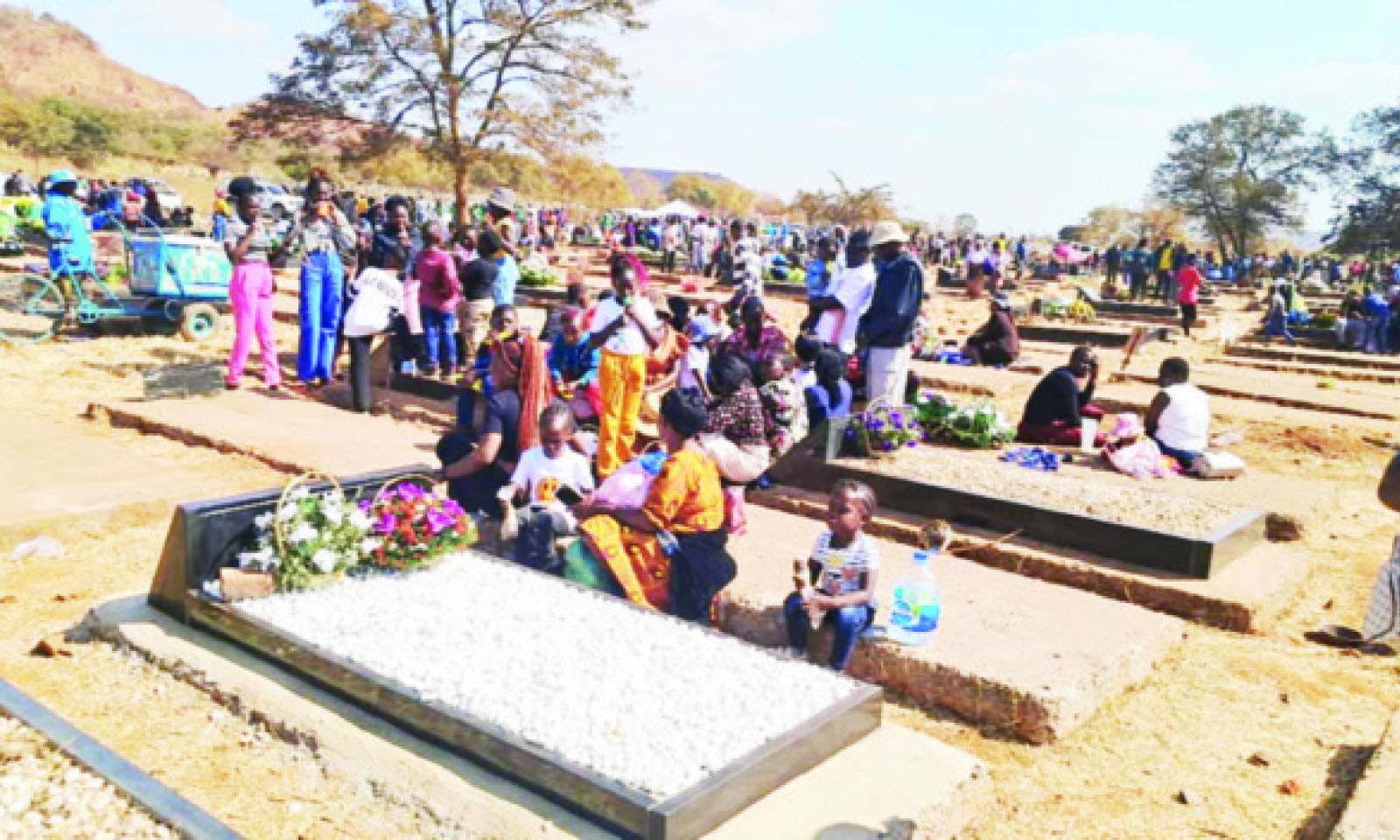
Arron Nyamayaro
Herald Correspondent
THE unveiling of tombstones, which is underway this August, has reignited a passionate debate in Zimbabwe as the traditional practice of kurova makuva faces modern reinterpretation.
With many families taking advantage of the Heroes Day holiday to unveil tombstones, discussions about the proper conduct of these ceremonies have taken centre stage, stirring deep emotions and strong opinions.
Kurova guva is a ceremony held about a year after a person’s death to welcome the spirit of the deceased back from the grave and integrate it into the family’s ancestral lineage, according to Shona cultural practices.
The ceremony involves various rituals including calling the spirit home, clearing the grave and sharing home-brewed beer.
In the heart of this debate are devout Christians who feel conflicted, believing they are misled by traditional leaders, who subtly blend the unveiling ceremony with kurova kwemakuva.
Church members often find themselves at odds with their families over participation in these cultural practices and the financial contributions required.
The demand for tombstones has surged in recent months, particularly in August — known as Nyamavhuvhu — a time when families come together to honour their ancestral spirits.
Zimpapers spoke with various traditional and church leaders, all urging families to approach each ceremony with the respect it deserves.
Chief Chinamhora, born Richard Jeyi, cautioned against conflating tombstone unveilings with kurova makuva.
He warned of the potential negative repercussions of neglecting proper traditional procedures.
“Kurova makuva and tombstone unveiling are distinct ceremonies,” he asserted firmly.
“In August, many families engage in traditional rituals to bring back the spirits of their deceased relatives. These rituals must be conducted correctly, with the right people involved from start to finish.”
Chief Chinamhora said every family member should participate, either through financial contributions or labour.
“Shortcuts in traditional rituals can lead to bad omens,” he cautioned.
“Some families may even find themselves facing serious issues, such as crime, because they fail to observe customs.”
The chief also reminded families of the spiritual significance of certain trees used in rituals, urging respect for these traditions.
“As we gather during the Heroes and Defence Forces holidays, let us reflect on our identity, culture and natural resources.
“These elements distinguish us from other nations. Some family members face challenges because they neglect traditional rituals. People overlook these customs during family gatherings, and it haunts them,” he added.
Chief Chinamhora pointed out that trees, like Muchakata or Muhacha, must not be used for firewood, as they hold spiritual importance.
“Our ancestors knelt under a Muchakata tree to receive food,” he said, underscoring the need for adherence to traditional practices.
Apostle Stephen Mangwanya of the New United Apostolic Faith Church acknowledged the complexities surrounding tombstone unveiling. He noted that some families invite church members for unveiling while simultaneously observing kurova makuva.
“The unveiling of tombstones is biblical,” said Apostle Mangwanya.
“However, many family leaders conduct both ceremonies at different times within the same period. They invite us for the unveiling on a Saturday after observing kurova makuva on Friday.
“This misleads many Christians into contributing funds that are often diverted to buy traditional beer ingredients for kurova makuva.”
Apostle Mangwanya emphasised that tombstone unveiling is rooted in Scripture, citing Genesis 35:19-20, where Jacob erected a pillar on Rachel’s grave.
“We conduct the ceremony to promote unity among family members. They are fooling many Christians by asking for contributions for the unveiling while using some funds for traditional beer preparations,” he explained. “This affects church members, as some discover the deceit while others participate, later confessing after the ceremonies.”
Apostle Benjamin Murata reiterated the importance of honouring departed souls without veering into ancestor worship.
“We do not worship our ancestors but honour their contributions,” he stated. “During memorial services, we highlight their works, which is biblical. Just as we commemorate our national heroes, we also remember our relatives through tombstone unveiling. There is nothing unholy about this.”
Apostle Murata clarified that while they respect the memory of the deceased, they do not engage in rituals to summon spirits, differentiating their practices from those of kurova makuva.
“As a church, we urge our members to attend the Heroes and Defence Forces Day commemorations and to remember their relatives during tombstone unveiling.
“There is nothing heathen in that. Other nations respect their ancestors for their works, and so should we. The renaming of roads and streets after our people is essential,” he said.
The overlap of tombstone unveiling with National Heroes Day has been perceived as a divine coincidence.
Many view their departed relatives as heroes and heroines in their own right, further intertwining the significance of both ceremonies.
This dual celebration encourages families to reflect on their heritage and the contributions of those who came before them.
As the debate continues, it remains clear that families must navigate the delicate balance between honouring their traditions and respecting their spiritual beliefs.
The intersection of modern practices and traditional customs presents both challenges and opportunities for growth within Zimbabwean society.
Ultimately, the essence of these ceremonies lies in their ability to foster unity, remembrance and respect for both the living and the deceased, ensuring that cultural legacies endure for generations to come.