Online Reporter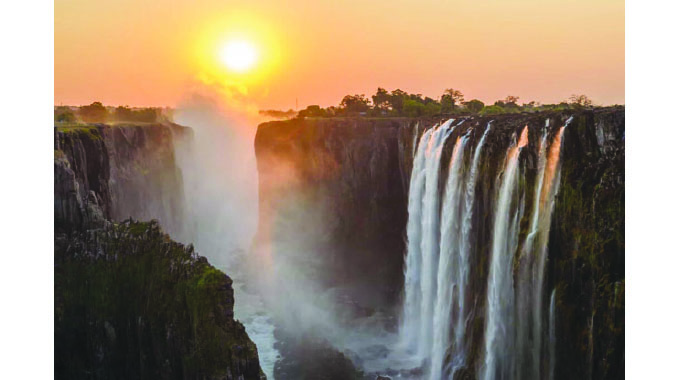
Charles Mavhunga-Correspondent
As Zimbabwe commemorates Heroes Month this August, the echoes of liberation war fighters’ sacrifices resonate through President Mnangagwa’s transformative tourism policy launch.
The Zimbabwe Tourism and Hospitality Industry Policy, officially unveiled this week, represents more than an economic strategy; it embodies the visionary leadership that seeks to completely rebrand a nation once paralysed by colonial legacies.
For decades, Zimbabwe’s tourism potential remained shackled by outdated frameworks and negative international perceptions inherited from a colonial past. Today, under President Mnangagwa’s astute guidance, the country is witnessing a renaissance that honours both its heroic past and ambitious future.
The policy’s launch coincides with the industry’s remarkable achievement of surpassing its US$5 billion revenue target, originally set for 2025, demonstrating how visionary leadership translates into tangible results.
Tripartite Approach: Government, Private Sector and Communities
President Mnangagwa’s revolutionary approach centres on what he terms a “tripartite framework”, a collaborative model where Government facilitates, the private sector drives innovation and communities own the tourism narrative.
This represents a fundamental departure from top-down colonial models that excluded local voices from economic participation.
“Tourism under the Second Republic is private sector-driven, community-owned and facilitated by Government,” the President declared, outlining a vision that ensures every Zimbabwean benefits from the country’s natural and cultural wealth.
This inclusive model reflects the same liberation spirit that drove heroes to fight for economic emancipation, now manifested through tourism policy reforms. The Minister of Tourism and Hospitality Industry, Honourable Barbara Rwodzi, has emerged as the principal architect implementing President Mnangagwa’s vision.
Her leadership in driving these policy initiatives demonstrates how the Second Republic prioritises capable, dedicated officials who understand the intersection between heritage preservation and modern economic development.
Under her stewardship, the ministry has orchestrated significant infrastructure developments and regulatory frameworks that position Zimbabwe competitively on the global tourism stage.
From Victoria Falls to Great Zimbabwe: Leveraging Natural and Cultural Assets
Zimbabwe’s tourism assets read like a catalogue of natural wonders and historical treasures. The world-renowned Victoria Falls, wildlife-rich Hwange and Mana Pools national parks, ancient Great Zimbabwe in Masvingo and the mystical Eastern Highlands represent unparalleled diversity that few destinations can match. These assets, long underutilised due to colonial-era marketing limitations, are now being strategically repositioned under President Mnangagwa’s comprehensive branding strategy.
The President’s acknowledgement of iconic wildlife species: elephants, lions, leopards and black rhinos roaming freely in protected reserves speaks to Zimbabwe’s commitment to conservation-based tourism.
This approach honours traditional African relationships with nature, while creating sustainable economic opportunities for local communities, a philosophy deeply rooted in liberation war ideals of land and resource sovereignty.
Infrastructure Renaissance: Building Bridges to Tomorrow
The policy’s infrastructure focus reflects President Mnangagwa’s understanding that tourism branding requires substantial physical foundations.
Recent achievements include the refurbishment of major hotel chains like Rainbow Tourism Group, Cresta Hotels, and Africa Sun, alongside comprehensive airport and border post branding initiatives. The national beautification programme further demonstrates how systematic policy reforms create cohesive destination imagery.
Connectivity improvements, particularly the Beitbridge-Chirundu Highway upgrades and the upcoming Bulawayo-Victoria Falls Road project, illustrate how visionary leadership anticipates future tourism growth. These developments ensure that Zimbabwe’s natural attractions become accessible to international visitors, while supporting domestic tourism expansion.
Two flagship projects exemplify this forward-thinking approach: the 10 000-seater cricket stadium under construction in Victoria Falls’ Masuwe Special Economic Zone and the Africa International Academy for Culinary Arts, developed in partnership with UN Tourism.
These initiatives position Zimbabwe as a leader in sports tourism and hospitality education across the continent.
Devolution and Cultural Celebration: Honouring Regional Diversity
President Mnangagwa’s decision to host the Sanganai/Hlanganani World Tourism Expo in Manicaland Province demonstrates how policy reforms embrace devolution principles.
This strategic choice showcases previously hidden gems like Mutarazi Falls, Bvumba Botanical Gardens, and Chimanimani National Park, ensuring that tourism benefits reach every corner of the nation.
The recognition of regional festivals such as Intwasa in Bulawayo, Budula in Chikombedzi, Ndau Festival in Chipinge and the Nyanga Arts Festival reflects how liberation heritage informs contemporary cultural celebration.
These events promote local culture and creative industries, while reinforcing Zimbabwe’s authentic African identity in global tourism markets.
Digital Innovation: Embracing Global Trends
Understanding that modern tourism branding requires digital sophistication, President Mnangagwa’s policy emphasises embracing digital marketing tools and developing youth-friendly tourism products including theme parks and science centres.
This technological integration represents how visionary leadership adapts traditional assets to contemporary market demands. The policy’s emphasis on multilingual content for diverse source markets demonstrates strategic thinking about Zimbabwe’s global positioning. By accommodating different linguistic preferences, the country signals its readiness to welcome visitors from across the world while maintaining its authentic African character.
Heroes Month Legacy: From Liberation to Tourism Liberation
As Zimbabwe observes Heroes Month, President Mnangagwa’s tourism policy reforms represent a continuation of liberation war principles through economic transformation. The heroes who fought for political independence established foundations that today’s visionary leadership builds upon through strategic policy reforms and tourism branding initiatives.
Minister Rwodzi’s implementation of these reforms honours heroic sacrifices by ensuring that tourism benefits reach ordinary Zimbabweans rather than external interests.
Authentic African Identity: Never Apologise for Who We Are
President Mnangagwa’s closing message: “Never apologise for who we are. We are Zimbabwean and African and this is what we must offer to the world” encapsulates how visionary leadership transforms potential weakness into strength. Rather than seeking to conform to external expectations, Zimbabwe’s tourism branding celebrates authentic African identity as a competitive advantage.
This confidence reflects liberation war principles that valued African dignity and self-determination.
Today’s tourism policy reforms extend these values into economic spheres, positioning Zimbabwe’s African authenticity as its greatest marketing asset.


 Bongani Ndlovu