Chronicle Editor
Michael Magoronga, Business Correspondent
TRADE Measures are a vital asset in facilitating fair trade, not only among Zimbabweans but also with the rest of the world.
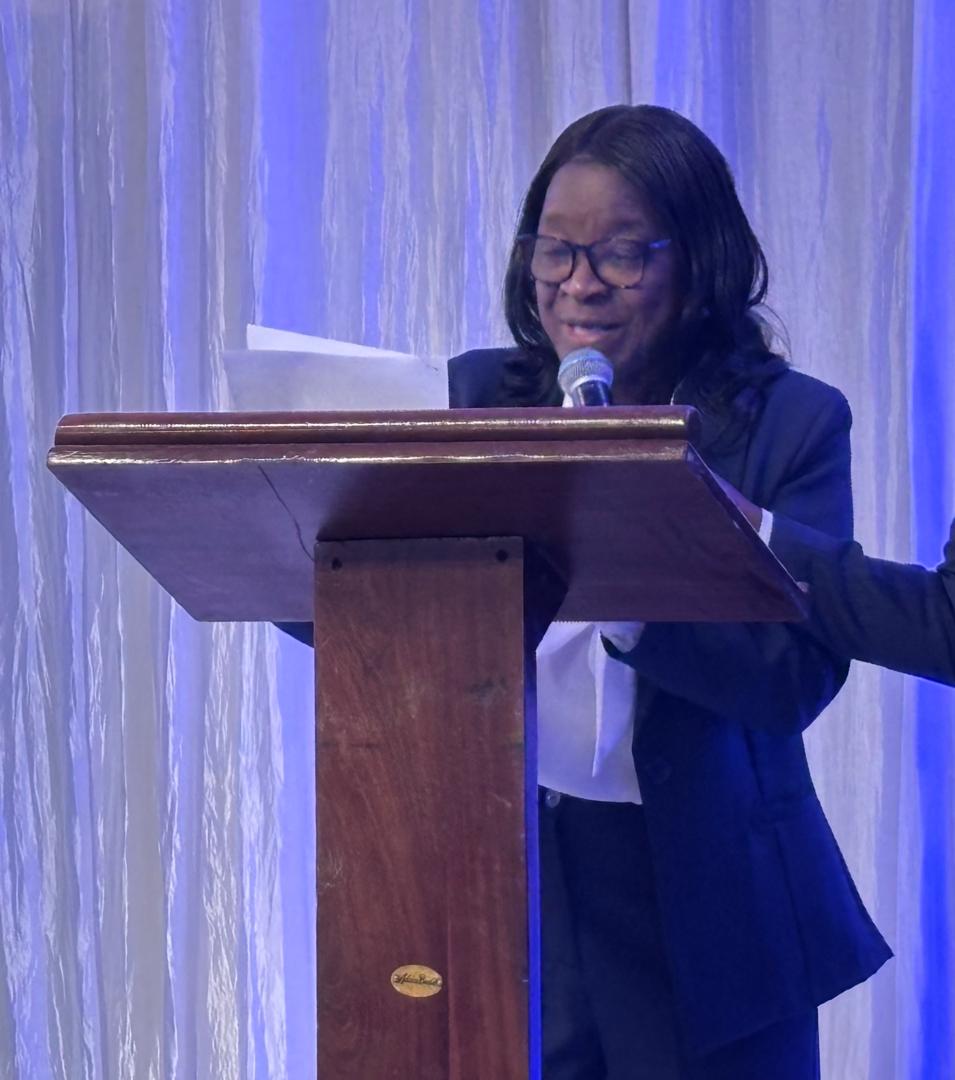
This came out during a three-day Trade Measures conference that was held in Kwekwe by the Ministry of Industry and Commerce. The conference which was going under the theme; “Harmonised Legal Metrology: A Catalyst for Accessing International Markets”, ended last Friday.
The Trade Measures Department which falls under the Ministry of Industry and Commerce, is governed by the Trade Measures Act, which provides for the application of legal metrology and covers legal units of measurement, technical regulations on measuring instruments used in trade, metrological control of measuring instruments, control on the manufacturer, repair and sale of measuring instruments as well as metrological control on pre-packed consumer goods among others.
In his opening remarks, delivered on his behalf by Chief Director of Commerce, Dr Douglas Runyowa, Permanent Secretary in the Ministry of Industry and Commerce, Dr Thomas Utete Ushe, said Trade Measures play a very important role in fostering competitiveness through ensuring our legislation and measurement standards are harmonized with other trading countries.
“I want to emphasise that it is imperative that all sectors of the economy remain competitive given the coming on board of the African Continental Free Trade Area (ACFTA) as well as other opportunities emanating from the global front. This, therefore, calls for the need to harmonise legal metrology practices with international norms,” said Dr Utete Ushe.
Incorrect measurement, he said, can act as a technical barrier to trade and hinder the free movement of goods and services across frontiers.
He said the main thrust of the Ministry in this regard is to foster value addition and beneficiation, which are critical components of the industrialisation drive which is key in attainment of Vision 2030.
“However, it must be stressed that the industrialisation agenda is enhanced through the use of a correct, harmonised, and internationally benchmarked measurement system.


 derick.khumalo