Londile Moyo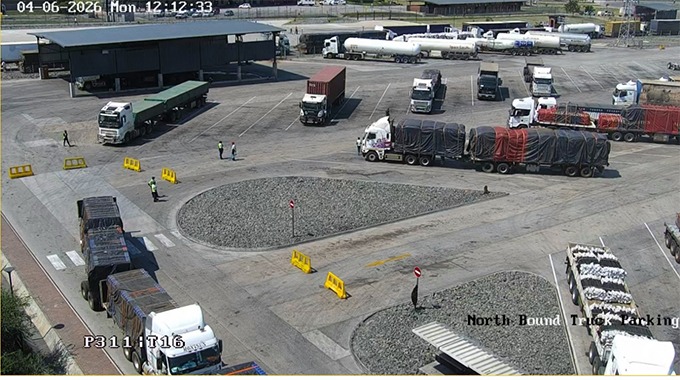
Thupeyo Muleya, Beitbridge Bureau
SCORES of travellers passing through the Beitbridge Border Post during the Easter period have praised improved efficiency, citing faster clearance times following the permanent separation of traffic and automation of services.
The US$300 million modernisation project, implemented by Government in partnership with the Zimborders Consortium, has significantly reduced processing times, with most motorists now spending less than two hours completing border formalities compared to the previous 17 to 24 hours.
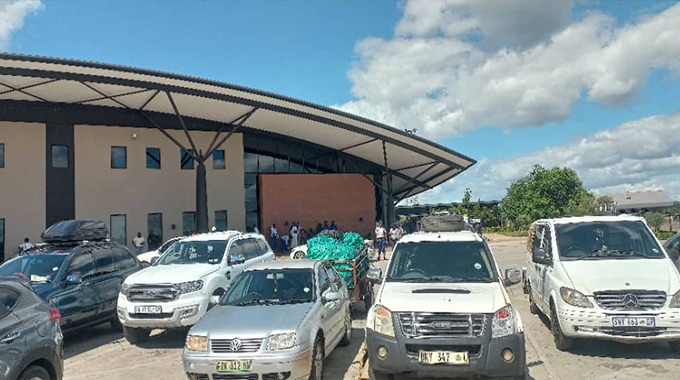
The port of entry, a key gateway for regional trade and travel linking countries such as South Africa, Mozambique, Zambia and beyond, now operates through three dedicated terminals for freight, buses, pedestrians and private vehicles.
New infrastructure and systems include automated boom gates, mobile cargo scanners, baggage scanners, biometric access control, facial recognition systems, CCTV surveillance and an integrated traffic flow system.
Travellers said the digitisation of services has greatly reduced delays by minimising human interaction and streamlining processes such as customs clearance, immigration and vehicle processing.
Mr Tellmore Masangudza, who was travelling to Harare, said the improvements were evident.
“Provided you have the necessary documents, you no longer spend more than 30 minutes to get your vehicle processed. The digitisation of services has made life easier,” he said.
Another traveller, Gilbert Zhou, said the segregation of traffic into different categories had also enhanced efficiency.
“Separating traffic permanently according to categories was a brilliant idea. We are now getting services based on our specific needs,” he said.
Travellers also commended the introduction of the electronic Temporary Import Permit (e-TIP) system, which allows applications to be submitted online before arrival.
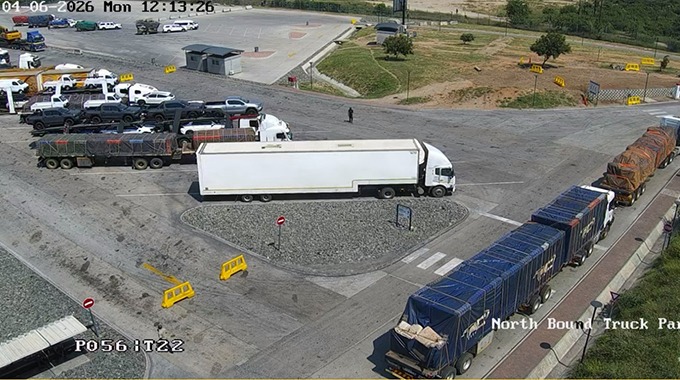
The Zimbabwe Revenue Authority has further improved service delivery by setting up kiosks outside terminals to assist travellers with online processing of goods and vehicle clearance.
Assistant Regional Immigration Officer Canisia Magaya said enhanced coordination between Zimbabwean and South African authorities has also played a key role in easing congestion.
She said through the Inter-State Committee, officials from both countries meet ahead of peak periods to align traffic management strategies and address challenges in real time.
During off-peak periods, the border handles about 15 000 travellers, 120 buses, 2 100 light vehicles and 1 000 commercial trucks daily, with the figures doubling during peak seasons.



 Online Reporter