admin
adminnepotism and lack of productivity.
In the Nigerian setting, it is very common for some people to discriminate because of someone’s ethnic background. Some people have even likened tribalism to racial abuse.
Though in marriages, the issue is gradually being defeated as we have had inter-ethnic marriages, the menace is still very dominant in most professions in Nigeria.
In Nollywood, one does not need a soothsayer to know that tribalism has taken over the industry. It is common to see this in most interest groups and associations formed in the industry.
While those from the Yoruba tribe are dominant in the Association of Nigerian Theatre Arts Practitioners of Nigeria, those from the Igbo extraction are prominent in Actors Guild of Nigeria. Interestingly, both groups represent the interests of actors in Nollywood.
In the same vein, those in ANTP suffer inferiority complex whenever they are in the midst of AGN members. Only few from ANTP camp have had the courage to mix with those in AGN. Also, whenever any of the groups organises a programme, it is very rare to see representatives of other groups.
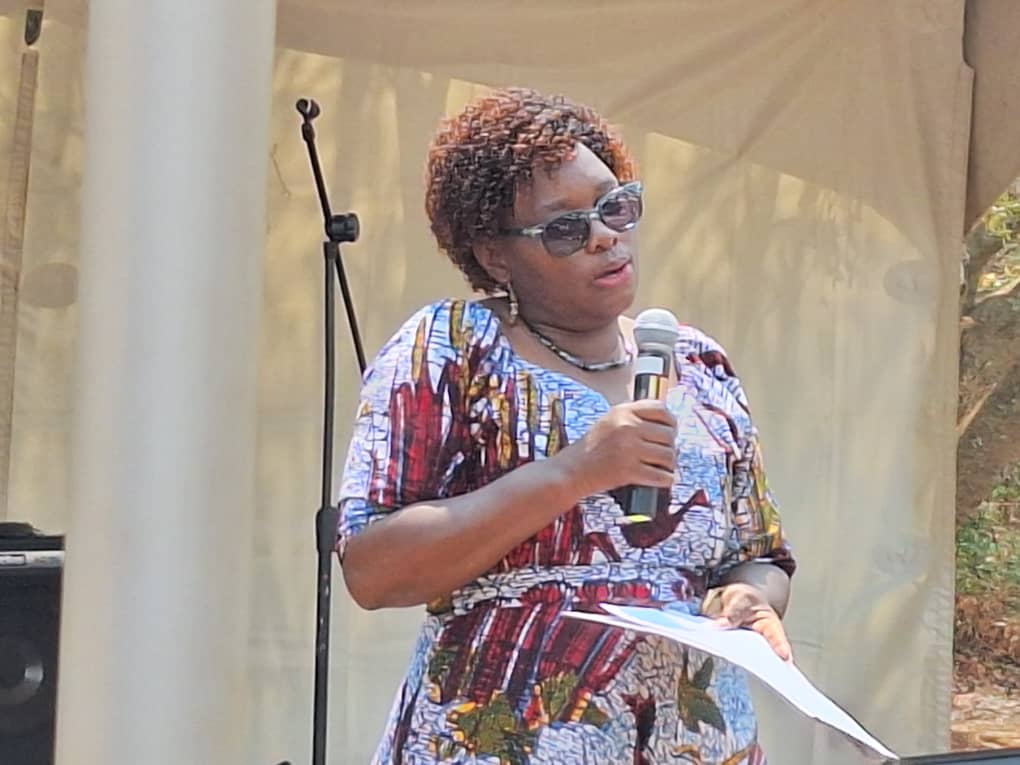
However, one person who wishes to put an end to this issue of dichotomy in the movie industry in Nigeria is beautiful actress, Halima Abubakar.
In a chat with Nigeriafilms.com recently, the Kogi State-born actress admitted that she has suffered a lot from tribalism in Nollywood. When asked one thing she would like to change in Nollywood, Halima was quick to say it is “tribalism”. — Nigerafilms.


 Online Reporter