

 Online Reporter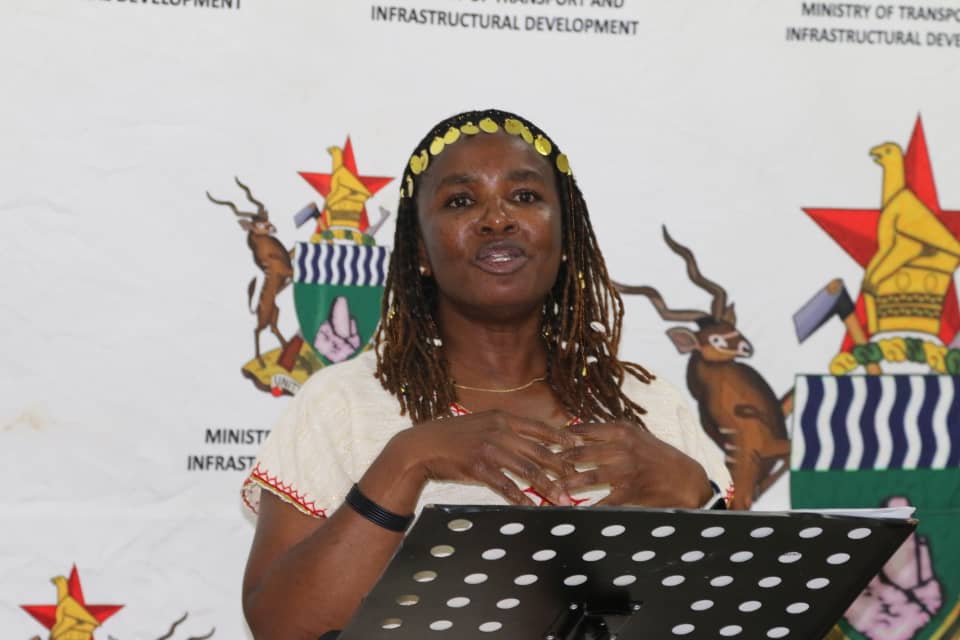
Freeman Razemba
Senior Reporter
The Trilateral Joint Route management group and joint committee meetings being attended by senior Government officials from Zimbabwe, Malawi and Mozambique are ongoing and are set to end this Thursday.
The meetings are being convened under the framework of the three countries’ bilateral road transport agreements and serve as a platform to strengthen regional cooperation, enhance transport connectivity and facilitate the seamless movement of goods and passengers across the region.
The meetings are being attended by the Ministry of Transport and Infrastructural Development permanent secretary, Engineer Joy Makumbe, together with her counterparts from Malawi and Mozambique, Mr Bright Kumwembe and Mr Alberto Matusse and senior Government officials from the three countries.
The officials discussed various topics, which include high toll fees in Malawi and Mozambique, high and Non-uniform traffic fines in Mozambique, absence of a publicly available schedule of offences and penalties in Mozambique, reports of requests for unofficial payments and corruption along transport routes and Mozambique’s extra toll fee on super links or second trailers.
They also discussed Mozambique’s requirement for trailer drop sides not to be removed and fines levied if they are removed.
Other issues include the removal of Carbon Tax levied in Zimbabwe and Malawi, Beira Port delays and congestion, border delays at Machipanda, requirement to carry truck and trailer registration books together with Cross Border Permit, non-recognition of Zimbabwe SADC Driving Licence, restrictions preventing Malawian transporters from purchasing toll fee booklets in Mozambique, security concerns and criminal attacks targeting foreign trucks, particularly along the Beira Corridor; and mutual recognition of Digital Permits, among others.
During the meeting, the Government said Zimbabwe was upgrading infrastructure at all its border posts to decongest crossings, improve traveller safety and streamline trade with Malawi and Mozambique.
Engineer Makumbe, said the modernisation programme aims to ensure seamless movement of goods and services across the three countries.
“Modernising our border infrastructure is critical to decongesting borders and ensuring the safety of travellers while amplifying ease of doing business,” she said.
“The Government made a strategic decision to modernise and upgrade the country’s border posts, starting with the Beitbridge Border Post.
“Its successful upgrade has had far‑reaching benefits for trade, tourism, and regional integration. This stands as a testament to the Second Republic’s commitment to investing in critical infrastructure and promoting regional economic development.
“The completion, rehabilitation and upgrading of Forbes Border Post and Nyamapanda Border Post remain top priorities.”
Principal Secretary in the Ministry of Transport and Public Works, Malawi, Mr Bright Kumwembe, also said the transport corridors that connect the three nations are far more than just physical infrastructure.
“They are the lifelines through which our economies grow, and our people connect,” Mr Kumwembe said.
“They facilitate trade, stimulate investment, support tourism, create employment and contribute directly to the well-being of our people.
“It is therefore particularly encouraging that, after a seven-year hiatus since our last meeting in Lilongwe in 2018, we are once again gathered around the same table.
“The resumption of these meetings sends a strong and positive message: that despite the challenges we face, our commitment to cooperation, dialogue and regional integration remains unwavering.
“These meetings are not only important for addressing operational corridor challenges, but also for advancing the broader regional integration agenda championed by the Southern African Development Community (SADC), the African union and other regional and corridor management institutions.”
He said they are meeting at a time when regional trade continues to expand, supply chains are becoming increasingly interconnected and expectations from the private sector and their citizens are higher than ever before.
“Businesses today require faster border clearances, predictable transit times, safer transport systems and efficient logistics services,” he said.
“Our citizens expect infrastructure and transport services that enable economic opportunities and support development. It is therefore our collective responsibility to ensure that our corridors are responsive to these issues before us during this meeting are both timely and important.
“They reflect the practical experiences of transport operators, traders, businesses and travellers who use our corridors every day. They also remind us that many of the challenges we face do not stop at national borders. Whether it is road safety, transit delays, infrastructure constraints, regulatory compliance, border management procedures or operational inefficiencies, these are challenges that require coordinated action and shared solutions.
“No single country can address them in isolation. As we commence our deliberations, let us therefore engage openly and approach our discussions with a spirit of partnership and common purpose. Let us focus not only on identifying challenges, but also on finding practical, implementable solutions that will improve corridor performance and deliver meaningful benefits to our economies and our people.”
In his address, National Director of Transport and Security of the Ministry of Transport and Communications, Mozambique, Mr Claudio Camiao Zunguze, said these meetings reflect their shared commitment to strengthening regional cooperation and ensuring that their transport corridors remain safe, efficient, secure and competitive.
“The transport sector is a critical enabler of economic growth, regional integration, trade facilitation and social development within our three countries,” he said.
“And, of course, the Southern African Development Community, SADC, Mozambique, recognises a great importance to the Joint Road Management Group and Joint Committee mechanism. This platform provides us with a valuable opportunity to collectively address challenges affecting cross-border transport operations, improve road safety, facilitate the movement of people in groups and strengthen cooperation among our institutions and stakeholders.
“We recognise that many of the challenges faced by transport operators to extend the national boundaries. As our economies became increasingly interconnected, we must continue working together to reduce trade barriers, harmonise transport regulation where possible, improve road efficiency and enhance safety and security along our transport corridors.
“In doing so, we contribute not only to national development but also to broader objectives of regional integration and economic prosperity. The Government of Mozambique has recently undertaken an important institutional reform with the establishment of the means of transport and logistics, replacing the former means of transport and communications. The decision reflects the growing importance of logistics as a strategic enabler of economic growth, regional integration, trade facilitation and private sector development.”
He said this new institutional framework was intended to strengthen Mozambique’s capacity to address emerging challenges across transport corridors.
“Supply chains, motor connectivity, oil and gas efficiencies in the regional trade, while enhancing the Council’s role as a gateway to the hinterland of Southern Africa,” he said.
“In the same spirit, the roads and the bridge sub-sector has been integrated into the transport sector, rather than remaining under the public works portfolio. The reforms aim to ensure greater policy coherence, improve planning and investment coordination and a more integrated approach to transport infrastructure development and corridor management.
“In parallel, the Government of Mozambique established the means of communication with the responsibility to leading the country’s digital transformation agenda, aiming to accelerate the adoption of digital technologies. To complement these institutional reforms, Mozambique is undertaking a comprehensive review of key legal and regulatory frameworks to ensure that they remain responsive to emerging technological development and involve mobility needs, traffic and speed management, road safety and law enforcement.”
He said partial emphasis is being placed on the revision of the Road Traffic Codes.
“Furthermore, the Government recently approved a new road transport regulation, which we call FDR, governing the provision of public passenger and freight transport services, including the cross-border road transport operation. In closing my intervention, we would like to reiterate that Mozambique remains committed to constructive dialogue and practical cooperation with both Zimbabwe and Malawi,” he said.



