Online Reporter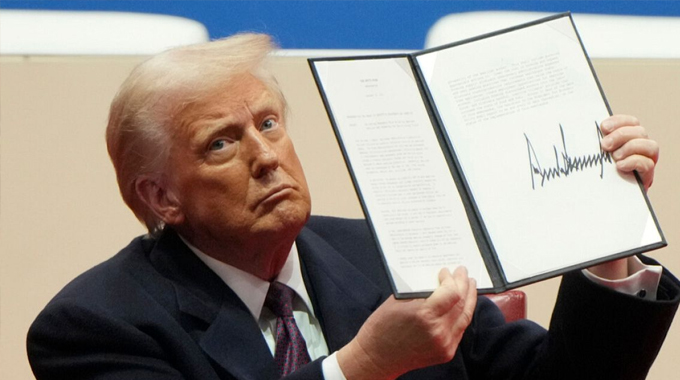
Mbulelo Mpofu
DAYS after US President Donald Trump signed an executive order freezing almost all foreign aid, anxiety is palpable across various sectors in Africa, with Zimbabwe’s creative industry also feeling the impact. Many Africans had anticipated that Trump’s “America First” policy would deprioritise their continent, but the implications are now beginning to resonate deeply.
In Zimbabwe, the creative sector is bracing for a potential collapse as funding sources dry up. Saturday Leisure reached out to arts commentators and artistes to gauge the freeze’s effects on the industry.
Raisedon Baya, arts commentator and director of the Intwasa Arts Festival KoBulawayo, highlighted the broader implications of the ban.

Asaph Afrika
“It (freezing of US foreign aid) will affect a lot of sectors, directly or indirectly. It’s difficult to assess now but definitely the sector will be affected. There will be a lot of prioritising and changing of focus, and in that changing of focus support might move from the arts and culture sector to the gaps created in the humanitarian sector,” he said.
To combat financial frailty, Baya’s Intwasa Arts Festival KoBulawayo has come up with a contingency plan aimed at having 50 supporters, aka “Friends of Intwasa,” each donating US$20 to help provide a platform for talented young artistes to shine.
Contrastingly, South African hip-hop artiste Mlue Jay expressed scepticism about the freeze’s impact on the creative community.

Madlela Skhobokhobo
“Honestly, I don’t think Trump’s decision to freeze financial aid in Africa will significantly impact the creative sector. In my opinion, most creatives haven’t really benefited from this aid in the first place. It seems like the funds mostly reach certain individuals or groups, rather than trickling down to the creative community.”
Award-winning journalist and founder of Creatives Magazine, Sithokozile Sibanda, highlighted the potential setbacks for Zimbabwe’s cultural landscape.

Raisedon Baya
“Zimbabwe has a rich cultural heritage, but without financial backing, it could be challenging to showcase that talent to the world. That would stifle innovation, reduce collaborations with global partners, and make it harder for creatives to access resources that help develop the arts.”
“Again, we may need to understand the current situation in Zimbabwe. How has financial aid been benefitting the creative sector so far, and who has been the main beneficiary? Once we have a clear picture of that, we can better understand how Trump’s decision might impact Zimbabwe’s creative industries before expanding the conversation to other African countries.”
Nkululeko Nkala lamented the mismanagement of funds intended for artistes.
“Obviously, many creatives benefitted from commissioning and funding from US Grants. We will obviously feel the pinch as an already under-funded industry which benefits from people’s liquidity. When people’s wallets cough, we catch the cold. But it’s obviously a bigger lesson to governments and politicians that this dependency should stop. We have all the natural resources that the likes of US can only dream of. But they are calling the shots because of the corruption and mismanagement in our countries.”
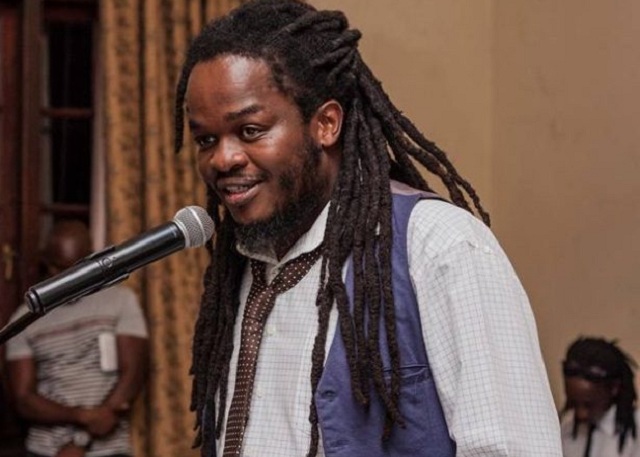
Nkululeko Nkala
In contrast, Tshibilika music artiste Madlela offered an empowering perspective, calling for self-sustainability among artistes.
“It’s a wake-up call to every African to really see and know that we are on our own. It’s time we put our houses in order and really strive to feed ourselves from the God-given resources. I think we must stop the ‘begging mentality’ yikho okwenza basidelele abantu laba. We are not their subjects, we are not inferior to anyone. We just need to realise our potential and then, Africa will really be saved.”
Thabani Hillary Moyo, from the Centre for Talent Development, warned of the broader ramifications.
“Freezing financial aid to Africa could have significant consequences for the creative sector. Such a move would not only cut direct funding but also weaken cultural exchange initiatives, mentorship programmes, and training opportunities that help African artistes thrive in the global creative economy.”
Moyo also noted a positive aspect of Trump’s policy.

Sithokozile Sibanda
“What I find positive about the thrust being taken by Trump is encouraging hard work and rewarding it. That for me is what everyone should be thinking about.”
Nkululeko Dube, director of Inkululeko Yabatsha School of Arts (Iyasa), called for a reset in the sector.
“President Trump’s decision to freeze financial aid to Africa will undoubtedly have far-reaching consequences for the creative sector, which has long relied on grants and funding from international organisations, including Usaid. This move threatens the very existence of many networks and projects that have been built around this assistance.
“To mitigate the impact of this policy, it’s crucial to explore alternative solutions. As nations increasingly prioritise their own interests, it’s essential for African countries to adopt a similar approach and seek new funding opportunities. I believe by adopting a proactive and innovative approach, the creative sector in Africa, including Zimbabwe, can navigate the challenges posed by this policy and continue to thrive.”
Music producer Black Orient summed up the sentiment concisely.

Nkululeko Innocent Dube
“Trump’s action goes to show that we must stop looking for hand-outs and build our own creative economy.”
Over the years, the US had been a benefactor of diverse arts programmes in Africa. Case in point, last year, local hip-hop artiste, Tafadzwa “Asaph” Tarukwana, toured the US, representing Zimbabwe at the Next Level Global event, a cross-cultural creative exchange programme organised by the US Department of State and the Meridian International Centre.
As panic spreads and the future remains uncertain, the cultural and creative industries (CCIs) in Zimbabwe and across Africa are at a crossroads, facing both challenges and opportunities for renewal. (@The Chronicle)