Online Reporter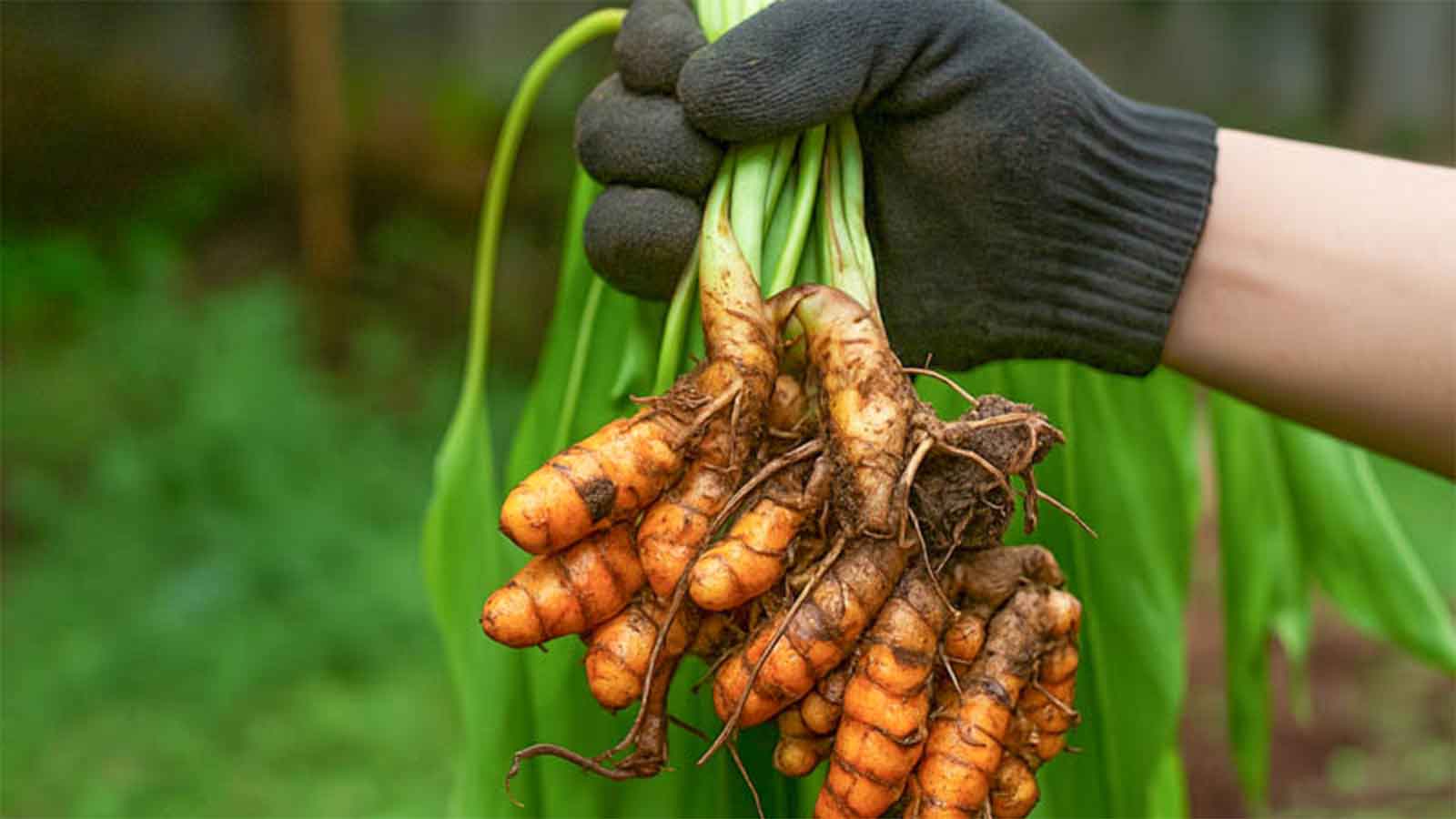
Precious Manomano
Herald Reporter
A CHEGUTU-based farmer, Mr Bornface Taruvinga, is positioning himself to tap into lucrative international markets after successfully planting 0.2 hectares of turmeric, with harvesting expected in the next three to four months.
Buoyed by promising yields and strong global demand, he anticipates earning thousands of dollars from the high-value crop.
Turmeric is a deep, golden-orange spice known for adding colour, flavour, and nutritional value to food.
A relative of ginger, it is derived from the rhizome (root) of a plant native to Asia and has been used in cooking for centuries.
It also plays an important role in Ayurvedic and traditional medicine in China and India, contributing to its growing global demand.
Mr Taruvinga said his journey into turmeric farming was driven by training, planning, and a desire to improve his livelihood.
“I attended various training sessions and trained my family before starting. I also developed a business plan which guided me into implementation,” he said.
He explained that the project involved identifying suitable land, clearing it, and ensuring access to water, as turmeric requires fertile, previously uncultivated soils.
“The area was a forest because the crop requires virgin land, and I had to consider the water source before clearing and preparing the land,” he said.
Mr Taruvinga added that land preparation included disking, trenching, and the application of organic inputs such as cow and chicken manure, with the assistance of three workers.
“We used organic manure during cultivation, and now I am waiting for the crop to mature so that we can harvest,” he said, adding that he expects about eight tonnes.
He was motivated by policies promoting investment in agriculture.
“I was inspired by the call that Zimbabwe is open for business and wanted a crop that could improve my social welfare,” he said.
Mr Taruvinga was speaking during a National Organic Turmeric Field Day held at his farm in Northwood, Chegutu.
He is a member of the Turmeric and Spices Growers Association, which seeks to promote production and participation in international markets. In addition to turmeric, he grows maize, sunflower, groundnuts, sorghum, millet, and cucumbers.
The executive director for Youth and Women Empowerment Development, Ms. Rumbidzai Gwaze, said turmeric farming has the potential to transform livelihoods, particularly for young people and women.
“This is a project that can change lives and improve household incomes if more people, especially youths and women, take part,” she said. “It is an opportunity for communities to benefit from a high-value crop and contribute to economic growth.”
Turmeric and Ginger Association contractor Mr Jerome Magumbe said the crop presents significant opportunities for Zimbabwean farmers, citing a planned trip to the United Kingdom to sign a contract for over 200,000 tonnes of turmeric.
“Turmeric is a high-value crop with huge global demand, and currently there is a supply deficit on the world market. This creates an opportunity for Zimbabwean farmers to increase production and benefit from exports,” he said.
He noted that while turmeric is mainly grown in India, Zimbabwe has an advantage in quality and production methods.
“We are promoting organic farming, and our turmeric is of better quality. Some farmers are producing up to 30 tonnes per hectare compared to lower yields elsewhere,” he said.
Mr Magumbe added that the crop has multiple uses and growing demand across industries.
“Turmeric is used in food, cosmetics and supplements, and its prices continue to rise due to strong demand,” he said.
Mashonaland West Minister of State for Provincial Affairs and Devolution, Cde Marian Chombo, urged farmers to intensify turmeric production, describing it as a strategic crop with high returns.
“Turmeric is in high demand globally, yet only a few farmers are growing it locally. This presents a great opportunity for income generation,” she said.
She encouraged inclusive participation across communities.
“We want youths, women and people with disabilities to take advantage of this crop because it has the potential to improve livelihoods,” she said.
Agricultural Marketing Authority agribusiness director Mr Jonathan Mukuruba said farmers must follow proper procedures to access export markets.
“For farmers to export turmeric, they need to register with the Agricultural Marketing Authority and obtain the necessary export permits,” he said. “This ensures compliance and smooth participation in international trade.”
He noted that the global turmeric market has grown significantly, with import values rising from US$367.7 million in 2021 to US$481 million in 2024. Major importers include the United States, Germany, China, the United Kingdom, France, and South Africa.