Online Reporter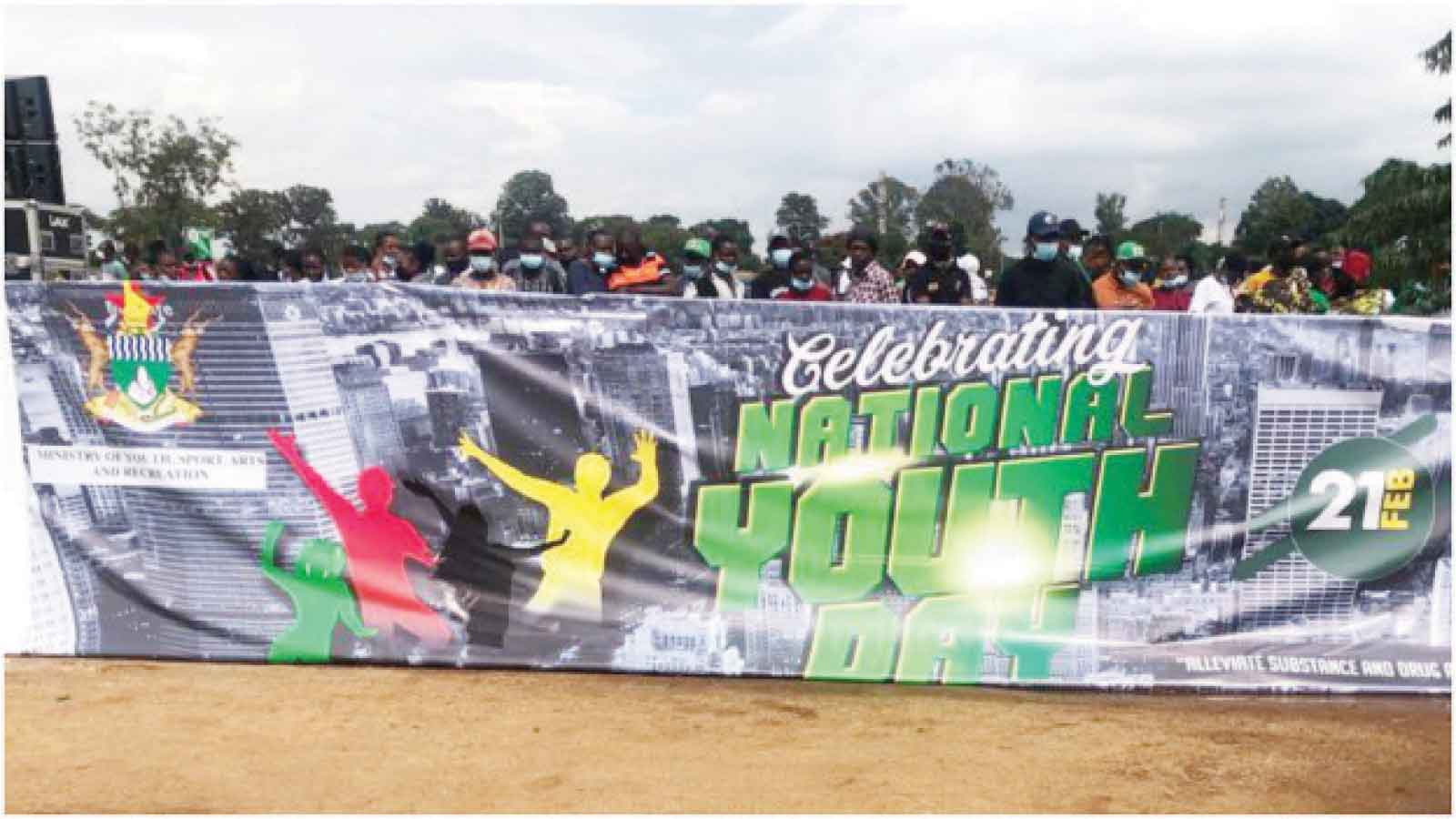
Ranson Madzamba
ZIMBABWE will on Saturday commemorate National Youth Day under the theme “Youth Agenda for Transformation”, with renewed focus on empowering young people to drive economic growth and national development.
The Ministry of Youth Empowerment, Development and Vocational Training is leading the commemorations as part of its broader mandate to foster a vibrant and productive youth population through policy formulation, skills development programmes and initiatives that promote entrepreneurship and economic participation.
As the country marks the day, attention turns to key initiatives being implemented by the ministry to expand opportunities for young people, enhance vocational training, support start-ups and strengthen youth participation in mainstream economic activities.
Below is a look at some of the flagship programmes and interventions aimed at transforming the lives of Zimbabwe’s youth.
Vocational training
Our strategy as the Ministry of Youth Empowerment, Development and Vocational Training is to expand the vocational training initiative through the setting up of new vocational training centres (VTCs) across all districts in Zimbabwe. This is meant to ensure that young people and communities have access to skills training initiatives.
Currently, the ministry operates a total of 45 VTCs on full establishment, while 15 satellite centres have been set up to support the existing ones owing to the demand for VTCs in our communities.
We have put in place a Vocational Training Transformation Road Map to facilitate the modernisation of VTCs, ensure infrastructural development and engender standardisation of their operations.
Financial models are also being developed to support this initiative while engaging stakeholders within the public and private sectors.
The ministry has developed a blueprint for the transformation of VTCs.
It will enable the VTCs to be centres of excellence and self-sustenance, and ensure they contribute to the growth of the economy.
The transformation agenda will be rolled out in all the districts, as we envisage setting up at least one VTC in every district.
To enrol at a VTC, one must just be able to read and write.
Anyone with a passion and interest in a specific course will be allowed to enrol.
VTCs are open to anyone willing to acquire life skills training.
However, some courses offered at some VTCs are affiliated to the HEXCO Examinations Board, hence they require one to have 5 O-Level passes, including Mathematics, English and Science.
VTCs are also open to those coming from higher learning institutions such as universities and polytechnics.
Those enrolled under the Training for Enterprise programme are awarded National Foundation Certificates, Certificate of Competency and National Certificates, depending on the duration of training.
Trade tests are also done for those wishing to be trade-tested from class 4 to 1.
Intakes at VTCs vary from centre to centre, but there are three main intakes — January for Certificate programmes; May for Certificate and Diploma in Agriculture, specialising in tobacco production; and lastly, September for Diploma programmes.
Courses on offer at VTCs include metal fabrication, motor vehicle mechanics, brick and block-laying, automobile electrics and electronics, carpentry and joinery, clothing and textile, cosmetology, tourism and hospitality, business studies, agriculture and electrical engineering.
Training at VTCs is needs-driven and lasts from six months for a competency certificate up to three years for a Diploma.
Youth Service in Zimbabwe
The resuscitation of the National Youth Service, now known as the Youth Service in Zimbabwe (YSZ), is integral in building a youth cadre committed to serving the nation.
The programme is critical in nurturing young people into responsible citizens with values of patriotism, discipline and Hunhu/Ubuntu.
The programme also promotes youth participation in development through volunteerism and national orientation training, and will help to address youth delinquencies such as drug and substance abuse.
Our YSZ training centres currently training youths include:
Dadaya, Zvishavane, Midlands;
Vumba, Mutare, Manicaland; and
Guyu, Gwanda, Matabeleland South province.
After completing training, our expectation as the Government from the YSZ graduates include:
Positive behavioural change: Graduates are expected to shun risky sexual and social behaviours, such as drug and substance abuse and corruption.
National development contribution: They should become important assets in the country’s development, contributing positively to national growth.
Service-oriented mindset: Graduates are expected to have a service mentality and culture rooted in patriotism.
Informed citizenship: They should have awareness of national economic, political and social policies, as well as legislation.
Active participation: Graduates are expected to participate in pushing for economic outcomes outlined in the National Development Strategy 2 (NDS2).
Courses on offer at YSZ centres
The YSZ curriculum is divided into two main components: institutionalised training and community attachment.
The institutionalised training component covers the following topics:
National orientation: Zimbabwe’s history and liberation legacy. This topic promotes patriotism, national unity and upholding of national values.
Civic education: Understanding the Constitution, human rights and civic responsibilities.
Youth participation in development: National development policies and policies on youth.
Personal and community health practice: Developing healthy habits and practices.
Disaster management: Understanding disaster management principles and practices.
Physical education and foot drills: Developing physical fitness and discipline.
Sport, arts and culture: Promoting cultural awareness and appreciation.
Gender issues: Understanding gender concepts, gender-based violence and promoting gender equality.
Anti-corruption: Understanding the principles of anti-corruption, including the causes and effects of corruption, and the role of young people in preventing corruption.
Specialised topics
The programme also covers specialised topics, including:
Entrepreneurship and livelihood skills training: Understanding the basics of entrepreneurship and livelihood skills; for example, understanding agricultural entrepreneurship, including crop and animal production, marketing and financial management.
Information and communication technology (ICT): Developing basic ICT skills, including computer literacy, internet usage and social media marketing.
Environmental conservation: Understanding the importance of environmental conservation, including waste management, climate change and sustainable development.
Community attachment
(Three months)
Trainees will be attached to Government departments, local authorities, vocational training centres and community-based projects for work experience and service.
This component provides trainees with hands-on experience and exposure to real-world challenges and opportunities.
The programme is accessible to all Zimbabweans aged 18 to 35, including people with disabilities, striving to maintain gender balance and fair regional representation, in line with Sections 18 and 20 of the Constitution.
Ranson Madzamba is the director of communication and advocacy in the Ministry of Youth Empowerment, Development and Vocational Training. He wrote this article for The Sunday Mail.