Online Reporter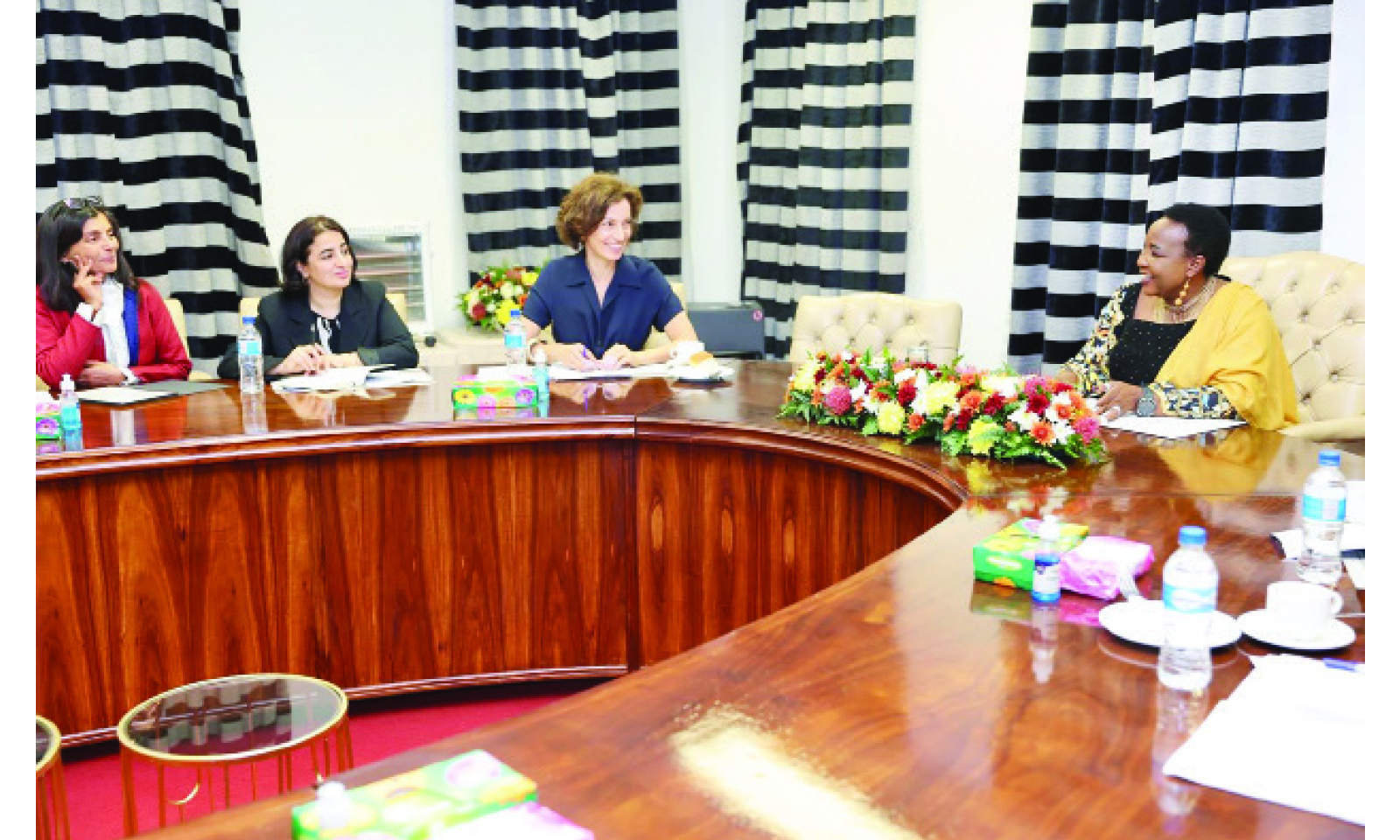
Blessings Chidakwa
Herald Reporter
UNESCO director-general, Ms Audrey Azoulay, who is on her maiden visit to Zimbabwe, met First Lady Dr Auxillia Mnangagwa at her offices in Harare, where they discussed various issues ranging from environment to education, culture and heritage.
Ms Azoulay described the works being championed by Dr Mnangagwa, the Ambassador of Environment as well as Culture and Heritage as inseparable and deeply interconnected.
Their meeting on Monday was a warm continuation of a friendship that began in May during the UNESCO Africa Week in Paris, France, where Dr Mnangagwa left a lasting impression with her rich displays of Zimbabwean cuisine and culture, an initiative now being emulated by fellow African First Ladies.
It was during that event that the First Lady invited Ms Azoulay to visit Zimbabwe, a gesture graciously accepted by the UNESCO chief who is on a week-long visit and set to attend the 15th meeting of the Convention on Wetlands (COP15) in the majestic city of Victoria Falls.
As part of her visit, Ms Azoulay who is accompanied by Zimbabwe’s Ambassador to France and UNESCO, Dr Sekai Nzenza toured the Great Zimbabwe Monuments a UNESCO World Heritage Site where she marvelled at the site’s architectural authenticity and historical significance, describing it as a true testament to African civilisation.
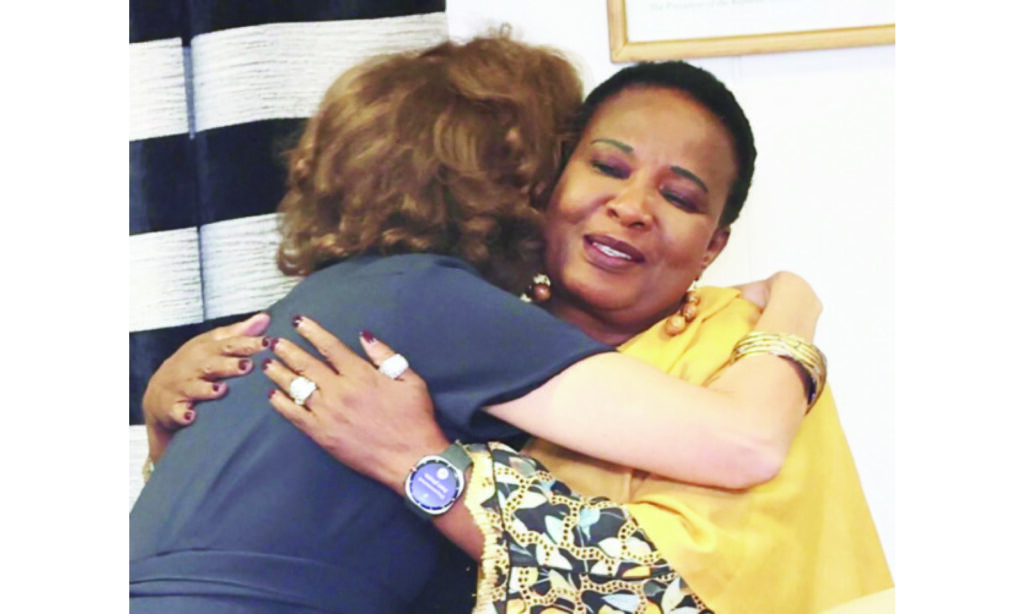
Dr Mnangagwa heartily welcomed Ms Azoulay, whom she described as a “sister,” for the reciprocal visit, expressing gratitude for the strong partnership between Zimbabwe and UNESCO, particularly in promoting wetlands preservation and safeguarding cultural heritage.
“UNESCO is working with Zimbabwe, which shows the existing relationship between the two. It is working with our country in history, in education, science, environment and also in culture. I work closely with these ministries,” she said.
The Culture and Heritage Ambassador said the UNESCO chief’s visit to sites such as Great Zimbabwe is vital, as it reminds local people of the importance of cherishing their heritage.
“Our people should know the history of where we came from and what we expect them to do after us. When we came to your country, we also showed what Zimbabwe is, what it has in terms of food and fashion. So, it goes together. It’s building our people to know who they are, where they come from,” she said.
“There were so many African countries who came to showcase what they brought in, fashion and their food. We tasted most of the African dishes there. I am also inviting you to visit my kitchen. Enjoy the food.
“I want you to see how we prepare our dishes. Hopefully, you will taste a little something.”
As Culture and Heritage Ambassador, Dr Mnangagwa has passionately spearheaded initiatives like the Nhanga/Gota/Ixhiba youth programme, the Zviperengo Cultural Quiz and Gastronomy Competitions, and high‑profile events such as her landmark cultural night, all aimed at reviving indigenous languages, traditional cuisine, clothing, arts and moral values promoting national identity, intergenerational education, and cultural tourism.
In her capacity as the Patron of Environment, Dr Mnangagwa said COP15 is another opportune time to show people that wetlands are vitally important.
“Your coming here is very important for Zimbabwe, to show that it is a leader in terms of environment, climate change, wetlands, and wildlife. I am the Patron of Environment and want to take it further, to show that wetlands are so important and people should protect them wherever they see them,” she said.
“So, it’s going to be a very exciting conference, and we’re going to have a lot of countries also learning, showcasing, and also putting on the table what we are doing as a country in terms of protection and preservation of wetlands. It’s an educational conference, an eye-opener.”
The First Lady as Patron for the Environment and Wildlife, has been leading nationwide tree‑planting campaigns, spearheading clean‑up drives against litter in both urban and rural areas, promoting zero‑waste initiatives, and launching conservation programmes like the Pangolin Conservation Strategy to protect endangered species .
Dr Mnangagwa also said Ms Azoulay should experience Victoria Falls, where there is a warm reception for all people.
UNESCO Director-General Ms Azoulay said the areas championed by the First Lady environment, education, culture, and heritage are naturally interwoven and essential pillars of sustainable development.
“I was very happy to welcome her in Paris three months ago at UNESCO headquarters. She was very kind to invite me to visit Zimbabwe, and I accepted with great pleasure and honour,” she said.
“The themes she chose for her engagement as First Lady are very dear to UNESCO and very dear to my heart. We know how essential this work is, and by the way, the protection of culture cannot be dissociated from the protection of nature. This goes together.
“So, we were very happy to discuss this part of her work too. Protection of cultural and natural heritage we work together as well on science and water, and we also have a very important collaboration on the history of the Southern Africa Liberation,” she said.
Ms Azoulay said she was happy to interact with traditional leaders during her visit to the iconic Great Zimbabwe.
“One can never separate the values, the identity, the story of what we have learned from the past from the sites themselves.”
“Also, in its own way, Zimbabwe has a relationship with nature, built around nature and working with the forces of nature.
“But there is also this link between nature and culture, and intangible heritage, and indigenous knowledge about it,” she said.
The UNESCO Director-General said she will be joining many countries at COP 15, on the protection of wetlands, an important component in preserving ecosystems around the world, and to which UNESCO is also “very much devoted.”
She said UNESCO has, over the last two years, been working on a new phase that will support young researchers in universities and integrate the history of the Southern African Liberation into the curriculum.
Dr Nzenza also said Dr Mnangagwa left an indelible mark at the UNESCO Africa Week in Paris.
“Thank you so much, Your Excellency, for coming to UNESCO. They still talk about it that what you delivered in terms of our culture and heritage was very significant. So much so that now there is competition among First Ladies saying Africa Week we also want to be there.
“So you set a precedent. Thank you very much also for inviting the UNESCO Director-General. She has a very tight schedule, but she agreed to come because of your invitation,” she said.
UNESCO has been working with Zimbabwe through the National Museums and Monuments and other partners in a number of ways, in terms of conservation and preservation of cultural heritage at the Great Zimbabwe World Heritage Site.
Some of the programmes they have collaborated on include the restoration of dry stone walls at the Great Zimbabwe Monuments and the removal of lantana camara, an invasive species not desirable for a World Heritage Site.
UNESCO has also played a key role in the production of essential conservation documents for the Great Zimbabwe Monuments, including a site management plan which came into effect in 2024.