Chronicle Editor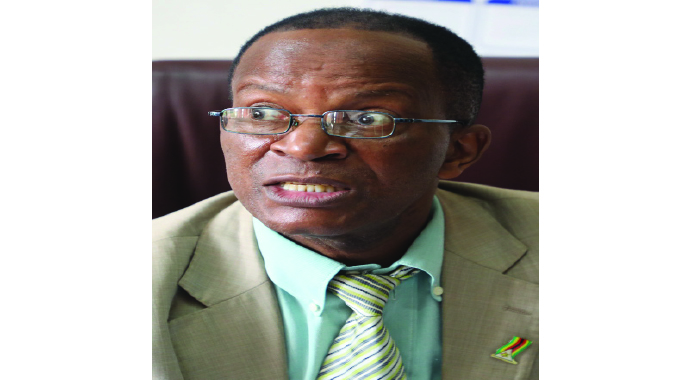
Thandeka Moyo-Ndlovu, Senior Health Reporter
THE United Bulawayo Hospitals (UBH) acting chief executive officer Dr Narcissus Dzvanga has allayed fears that elective lists operations would be suspended at the public institution saying there was just a shortage of some anaesthetic drugs.
This follows a trending leaked internal hospital memo written by the acting director clinical services advising of the cancellation of elective lists surgeries with immediate effect dated July 18, 2022.
The letter read, “Due to lack of anaesthetic induction agents, elective lists have been suspended with immediate effect till further notice. Patients may buy their own drugs if any elective list is to proceed.”
Elective surgery or elective procedure is surgery that is scheduled in advance because it does not involve a medical emergency as the condition may not be life threatening.
An elective surgery does not always mean it is optional but that the procedure can be scheduled in advance unlike emergencies.
These include cleft lip repair; ear tube surgery; tonsillectomies uncomplicated hernias, tying of tubes as a form of contraception and such surgeries can be chosen to improve quality of life but not for a life-threatening condition.
In an interview, Dr Dzvanga said the memo was written due to communication breakdown in the supply chain adding that elective surgeries are ongoing.
“It was just a breakdown in the communication in supply chain. The system is that the chief pharmacists orders the drugs from the NatPharm and then theatre orders the drugs from the pharmacy.
Being weekend, there was breakdown in communication between delivery from NatPharm on Friday and anaesthetist who wanted to do their work on Monday. On further follow up we then realised that there was a delivery on Friday and the only issue was the quantity being limited instead of us not having anything,” said Dr Dzvanga.
“As I speak to you now, we are having two electives being done, we do not have everything but electives are being conducted as opposed to communication that we suspended the service. With the current environment we would wish to have a buffer stock, something that you hold on to and ensure that you do not run dry and ideally that would be three months’ supply.
However, at the moment it’s like a hand to mouth type of a situation since we are overwhelmed by numbers there is definitely going to be a shortage of requirements when putting patients to sleep.”
He said to the hospital has some anaesthetic drugs but there are concerns in terms of supply.
“Our supply is worrying at the moment and we cannot use it up all on electives as emergencies may come up and we are found with nothing in our stocks. We would rather reserve the stock we have for emergencies as inconsistencies in supply leave us with no guarantee that we will be able to carry out surgeries for the week and so forth,” he said.
Dr Dzvanga said Covid-19 disrupted many operations at UBH, like it did everywhere else, hence the long waiting list for elective surgeries.
He said medically, it is impossible to clear a waiting list for surgeries as issues come up daily.
“The issue is how long do patients wait before a necessary surgery is carried out and that depends on specialty.
A good example is we have one ear, nose and throat specialist in the whole of this southern region just like neurologist, we have one in Government for this part of the country,” he said.
“I inquired from these two and they are saying they are booking patients for February 2023 and when you have one consultant to cover the region clearly we cannot clear this backlog which is per medical discipline.”
Dr Dzvanga urged members of the public to always check with UBH authorities before outsourcing medication as some unscrupulous staff members may pounce on them.
“Theatre work is not like one type thing, five drugs may be required and we discover we only have three. In that case proceeding with such an operation puts the life of a patient at risk.
Members of the public should not outsource medication without thoroughly checking if for sure we do not have it at UBH. Our pharmacy stamp should be put on such prescriptions to prove that indeed we do not have,” he said.
“Most people complain elsewhere and when you tell them to put their issues in writing they disappear when they should be helping us uproot such activities which are against policy.
We have sisters in charge, customer care champions in all wards to take note of such inconsistency and they should approach all these people once in doubt.”
– @thamamoe.


 Online Reporter