admin
adminclaiming that the country posed an “unusual and extraordinary threat to the foreign policy of the United States.”
President Barack Obama made the announcement of the “national emergency” in a notice dated March 2, 2011.
This comes at a time when several thousands Zimbabweans denounced the embargo during the recent launch of the National Anti-Sanctions Petition Campaign.
The extension of the embargo follows a similar move by the European Union bloc last month, as Western countries have ganged up against Zimbabwe, drawing condemnation from Sadc, Comesa, African Union, among many progressive countries of the world. Obama said in the statement: “Because the actions and policies of these persons continue to pose an unusual and extraordinary threat to the foreign policy of the United States, the national emergency declared on March 6, 2003, and the measures adopted on that date, on November 22, 2005, and on July 25, 2008, to deal with that emergency, must continue in effect beyond March 6, 2011.
“Therefore, in accordance with section 202(d) of the National Emergencies Act (50 U.S.C. 1622(d)), I am continuing for 1 year the national emergency with respect to the actions and policies of certain members of the Government of Zimbabwe and other persons to undermine Zimbabwe’s democratic processes or institutions.”
Zanu-PF chairman Cde Simon Khaya Moyo dismissed the move by the US as a “non-event” and “unsurprising”. He said it showed that the Obama could not alter the destructive foreign policy of his predecessor George Bush.
“We have always known that Obama is in a cage. He has no free will as he is surrounded by hawks that tell him what to do. However, we don’t understand why America continues to fight us as we do not have a problem with them save for the bilateral disagreement that we had with Britain over land,” he said .
Cde Khaya Moyo expressed disquiet at the extension of the sanctions on the back of the recently launched national anti-sanctions campaign.
“The people have spoken already; the sanctions are illegal and they are a crime against humanity. But that will not deter us from the economic empowerment programmes for our people. We were our own political liberators and we can be our own economic liberators,” he said.
He reiterated the call to impose sanctions on companies whose mother countries in the West continue to impose sanctions on Zimbabwe.
“If they (West) remove sanctions, we will normalise relations with them. If they maintain we will sanction those companies because they can’t benefit from our resources while their countries impose sanctions on us,” he declared.
Zanu-PF politburo member Professor Jonathan Moyo said the extension of the sanctions by America was “not news” as sanctions were meant to achieve illegal regime change, which had not been achieved.
He also pointed out that the extension flew in the face of the recent Euromoney Investment Conference that sought to bring foreign investment into the country. Prof Moyo said while the people had spoken strongly against sanctions, the MDC and their sponsors in America wanted them to continue suffering.
“The sanctions are targeted against people in the vain hope of making them angry against their own history, against their own liberation legacy and against their own government,” he said.
He added that Zimbabwe had to press ahead with making Western companies taste their own medicine. America imposed sanctions against Zimbabwe through a law called the Zimbabwe Democracy and Economic Recovery Act, which former President George W Bush signed on December 21, 2001.
The sanctions prohibit trade between the American government and Zimbabwe, while compelling American executives at multilateral institutions such as the Word Bank and the International Monetary Fund to veto any extension of loans or cancellation of Zimbabwe’s debts.
They also prohibit private individuals and corporates from trading with Zimbabwe. Sanctions against Zimbabwe have been renewed and extended since 2003 when former President Bush issued the Executive Order 13288.
On November 22, 2005, Bush issued Executive Order 13391 to take additional steps with respect to the national emergency declared in Executive Order 13288 by ordering the blocking of the property of additional persons allegedly “undermining democratic processes or institutions in Zimbabwe”.


Online Reporter
- Chronicle , SundayNews
- September 23, 2026
- 6 views
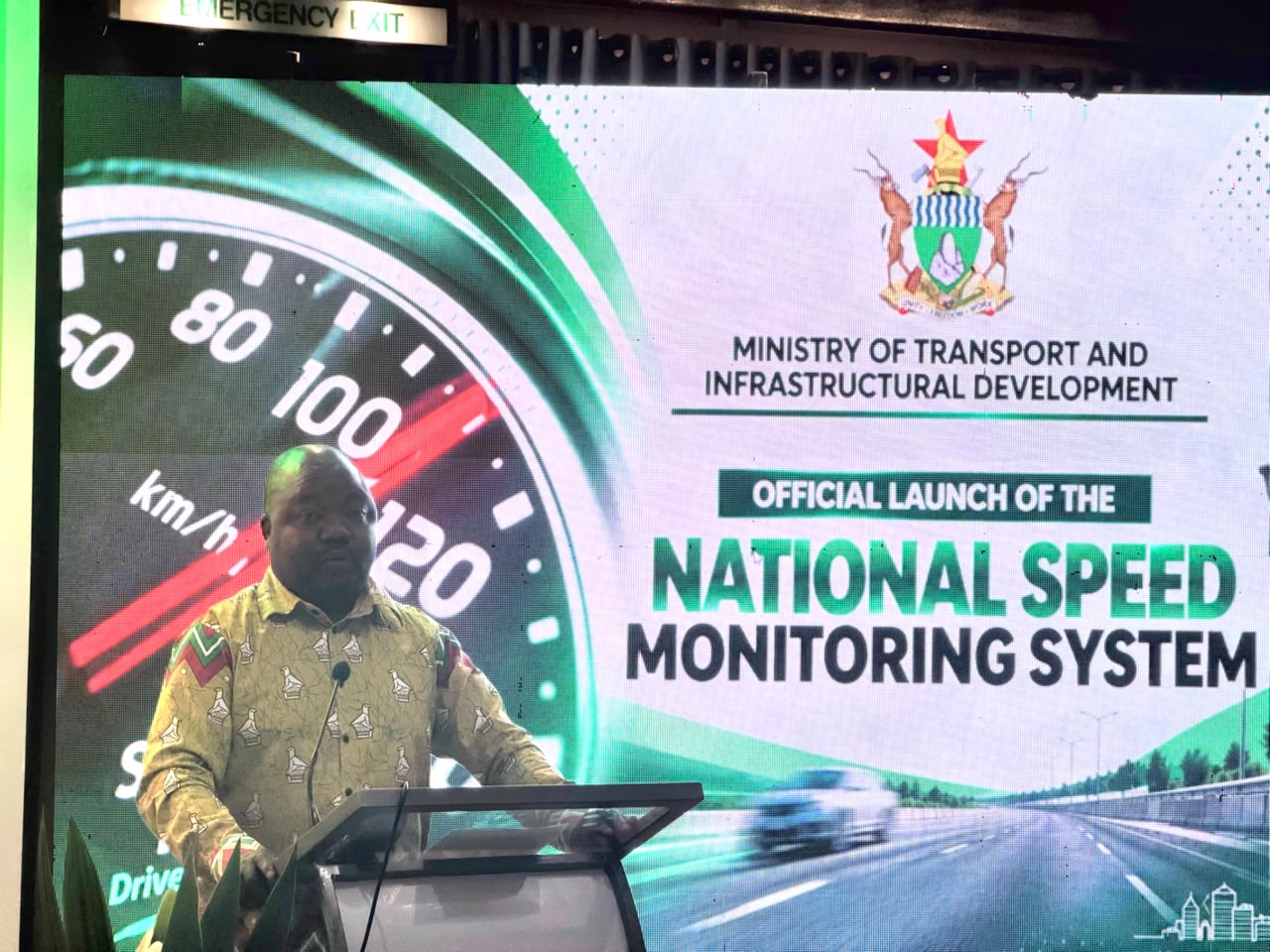
Speed monitoring system launch boosts digital economy drive
Mthabisi Tshuma [email protected] THE launch of the National Speed Monitoring System (NSMS) is part of Government’s drive to build a digital economy by using artificial intelligence and other emerging technologies…