dyton mupawaenda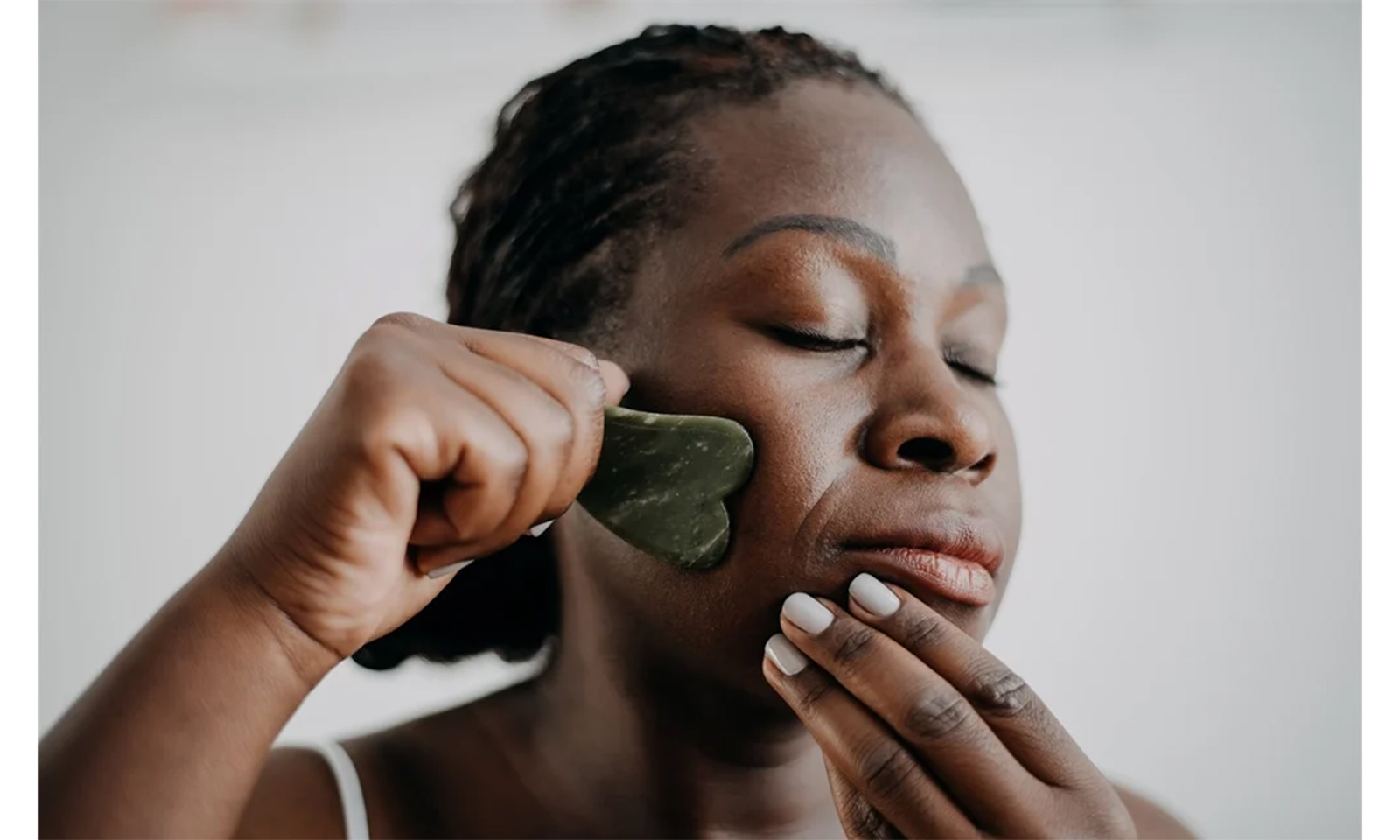
Fashion 263 Correspondent
Once a platform for dance challenges, TikTok has evolved into a powerful influencer hub, particularly in the skincare space.
Millions of users share routines, recommend products, and chase flawless skin, but at what cost?
Dermatologist Dr Vanessa Lapiner, warns that while TikTok fosters skincare awareness, it also spreads misinformation and fuels overconsumption.
Beyond misinformation, TikTok has created a culture of excessive skincare consumption. Sponsored posts and influencer recommendations drive users to purchase far more products than they actually need. “Less has always been more when it comes to skincare,” says Lapiner.
With the internet at our fingertips, we have infinite access to information. But it also means endless exposure to fake news, misleading claims and cherry-picked facts.
With TikTok — a platform that favours attention-grabbing content — gaining prominence, the spread of misinformation has never been more rampant.
The fact that we can often see the faces of those speaking, creating the feeling of intimacy and an authentic connection, makes it all the easier to believe what we hear.
In the beauty community, the spread of myths and dubious health claims, like sunscreen disrupting hormones, make-up containing cancer-causing talc, and moisturisers ruining your skin, is increasingly pervasive.
Often allowed to remain unscrutinised, these videos are not only causing mass confusion and mistrust, but they are also putting consumers in danger too.
Earlier this month, a since-deleted video about sunscreen messing with hormone levels went viral on TikTok, only to be debunked by cosmetic chemist Dr Michelle Wong.
Meanwhile, another since-deleted TikTok told viewers that all big brand haircare products contain ‘endocrine [hormone] disruptors’, an extension of the myth that synthetic ingredients like sulphates and parabens are damaging to hair and skin.
“The biggest myth that I have continuously seen spread is that sunscreen causes cancer,” says Esther Olu, a cosmetic chemist and licensed esthetician known as The Melanin Chemist to her followers, who often uses her platform to debunk false claims circulating online.
“It’s causing consumers to not wear sunscreen or use improper formulations that are leading to increased cancer rates. It is beyond dangerous.”
Despite experts disproving claims that Supergoop sunscreen causes cancer or that DIY SPFs are better for you, there remain numerous videos on TikTok explaining how users can make their own at home.
Social media has always fostered conversation, but it’s TikTok’s format that lends itself particularly well to opinion-sharing – the more divisive, the better.
“Sensationalism gets people to talk at the end of the day, regardless if it’s wrong or right,” says Olu. People like drama, in other words, and according to evolutionary psychologist Hank Davis, author of Caveman Logic: The Persistence Of Primitive Thinking In A Modern World, there’s a very good reason for this.
“It was our ancestors who paid good attention to scary stories, about being poisoned or getting skin cancer, who were more successful”, he explains.
Unfortunately, we are stuck with the same brains today. “Our minds are very, very well adapted, not to 2022, but to a quarter of a million years ago”, says Davis.
“Does this way of thinking help us today? The answer is simply ‘no’. But that’s why misinformation spreads on the internet. Because we’re basically working with a stone age mind.”
The rise of misinformation
It’s a common misconception that only extreme skincare trends — like SPF contouring, glass skin, or slugging — spread misinformation.
In reality, much of TikTok’s beauty content is misleading, as young, inexperienced users position themselves as experts.
“Misinformation isn’t always intentional,” says Lapiner. “Many influencers lack proper skincare knowledge and prioritise visuals over accuracy.”
To make content engaging, creators often demonstrate products incorrectly — applying excessive amounts simply because smaller quantities don’t show up well on camera.
Their focus is on aesthetics, not education, which can mislead viewers into overusing or misapplying products.
The power of TikTok’s algorithm
TikTok’s algorithm reinforces the same information repeatedly, making even sceptical users more likely to believe a product or trend works simply because they see it so often. “TikTok encourages curiosity, which is great,” says Lapiner. “But unfortunately, this curiosity often leads to a cycle of misinformation that then needs to be debunked.”
Overconsumption and the influence of sponsored content
Beyond misinformation, TikTok has created a culture of excessive skincare consumption. Sponsored posts and influencer recommendations drive users to purchase far more products than they actually need.
“Less has always been more when it comes to skincare,” says Lapiner. “Yet I’m hearing from young people who have never used so many products, and their skin isn’t improving.”
For influencers, promoting multiple products means increased sponsorships and engagement, turning skincare advice into a profit-driven industry.
While some content creators genuinely aim to educate, many prioritise viral success and financial gain over scientific accuracy.
The need for reliable skincare guidance
Most skincare influencers lack medical training, meaning even well-intentioned advice can be harmful.
Lapiner’s advice? “Look at multiple sources, and don’t rely solely on social media. Cross-check information with a dermatologist or a reputable expert. Healthy skin isn’t about chasing trends—it’s about consistency and understanding your skin’s unique needs.”
While TikTok can be a fun and informative platform, when it comes to skincare, caution is key. Blindly following viral trends may do more harm than good. — iolnews.co.za



 Online Reporter