


 Tinaye Agere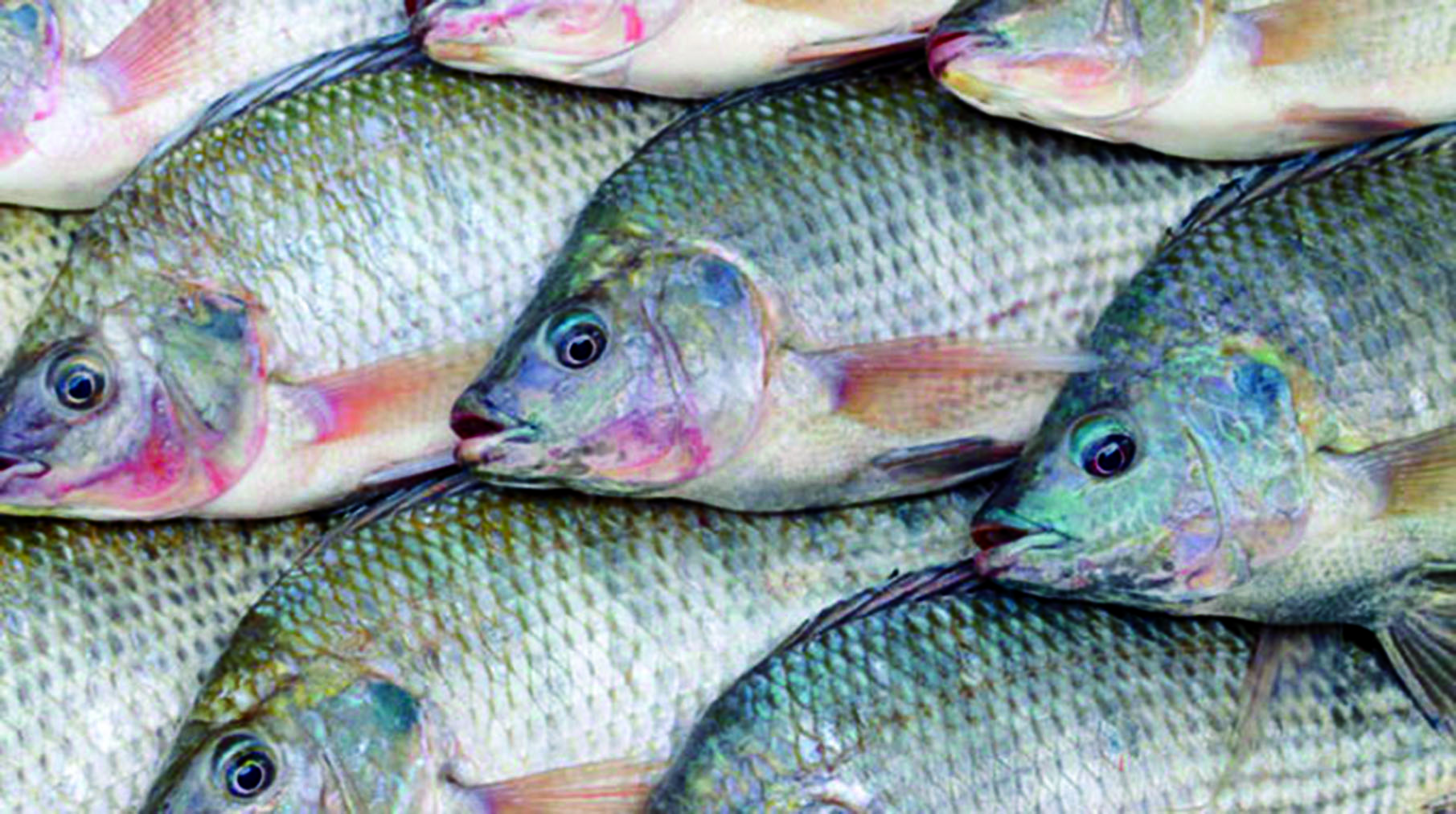
Cliff Chiduku
Word From The Market
Fish farming presents a promising avenue for economic growth and food security in Zimbabwe.
The country has some water resources such as rivers and dams that provide an ideal environment for aquaculture.
Despite this potential, fish farming in Zimbabwe remains underdeveloped relative to its capacity.
According to the latest Second-Round Crops, Livestock and Fisheries Assessment Report, total fish produced in the 2022/2023 season was 33 906 tonnes (t), with 27 100t from capture fisheries and 6 806t from aquaculture.
Kapenta harvests increased by 3,7 percent from 5 950t in 2021/2022 to 6 200t in 2022/2023. Tilapia production increased by 35 percent from 4 949t in 2021/2022 to 6 704t in 2022/2023.
National potential demand for fish is almost 60 000t per year, indicating a deficit in supply based on current production.
The most common species in aquaculture production in Zimbabwe are the Nile tilapia, the red-breasted bream, the Mozambique bream, the African catfish and the rainbow trout, among others.
The African catfish (muramba) exists in the wild, but it is also produced in ponds, cages and pens, and is of great commercial importance. It is easy to rear, as it is omnivorous.
The rainbow trout is a fresh-water species native to cold-water tributaries and is usually farmed in Nyanga. The quality of fingerlings used in aquaculture production determines the performance of the enterprise. Fingerlings should be acquired from reputable producers.
It is, however, unfortunate that in Zimbabwe, there are few players in fingerling production. One of the key advantages of fish farming is its ability to contribute to food security. Fish is a rich source of protein and essential nutrients. With Zimbabwe’s growing population, there is an increasing demand for affordable and nutritious food.
The Government has been promoting the aquaculture sub-sector under the Rural Development 8.0 Programme, where hundreds of village, school and youth business units have been established across the country. Each unit has fishponds and a horticulture section.
The village business units have already started paying dividends for villagers through income generation and employment creation countrywide, thereby improving the livelihoods of thousands of rural people.
When it comes to village business units, the adage “Give a man a fish and you feed him for a day; teach a man to fish and you feed him for a lifetime” holds true.
Central to this concept is the importance of providing villagers with enablers and the knowledge they need to sustain themselves in the long term, rather than just offering temporary solutions.
By giving villagers fishing rods, instead of just handing them fish, the Second Republic is empowering them to become self-sufficient and independent. By expanding fish farming operations, the Government is reducing reliance on imported fish, ensuring lower food costs and improving nutritional standards, especially for rural communities.
Economically, fish farming can create jobs and stimulate rural economies.
From the construction of fishponds to the processing and marketing of fish products, various stages of the aquaculture value chain offer employment opportunities.
This is particularly significant in rural areas, where job prospects are often limited.
However, the development of fish farming in Zimbabwe faces several challenges.
Lack of access to finance is a major hurdle for many potential farmers, as starting and maintaining fish farms can require significant initial investment. There is no reliable supply of quality fish genetics for aquaculture and dam fisheries in Zimbabwe. Additionally, there is a need for technical knowledge and training to ensure sustainable practices and high yields.
Without proper training, farmers are struggling with issues such as disease management, water quality control and efficient feeding practices. Environmental concerns are also a major challenge. Unsustainable practices, such as overstocking and improper waste management, can lead to water pollution and habitat destruction. Therefore, it is crucial to implement and enforce regulations that promote environmentally responsible fish farming.
Overall, fish farming in Zimbabwe holds significant promise — enhancing food security, creating jobs and boosting the economy.
To fully realise this potential, it is essential to address the financial, technical and environmental challenges that currently hinder the sub-sector’s growth.
With the right support and policies, Zimbabwe can develop a thriving aquaculture industry that benefits its people and environment.
Word From The Market is a column produced by the Agricultural Marketing Authority to promote market-driven production. Feedback: [email protected] or WhatsApp/Call +263781706212.



 Bongani Ndlovu
 Online Reporter