Chronicle Editor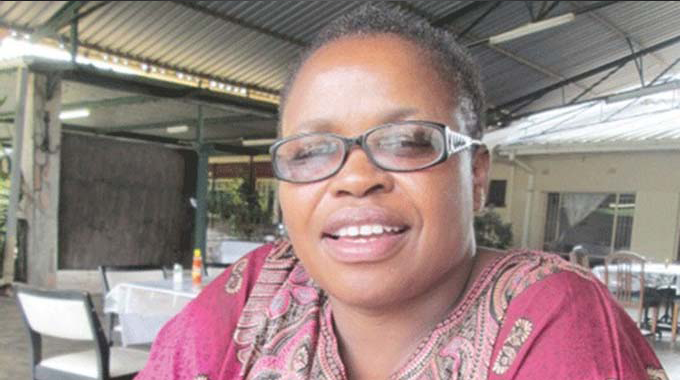
Mashudu Netsianda, Senior Reporter
URBAN councils have been identified as the worst performing local authorities in the country with corruption being the main factor contributing to the collapse in service delivery coupled with infrastructure that has since outlived its lifespan.
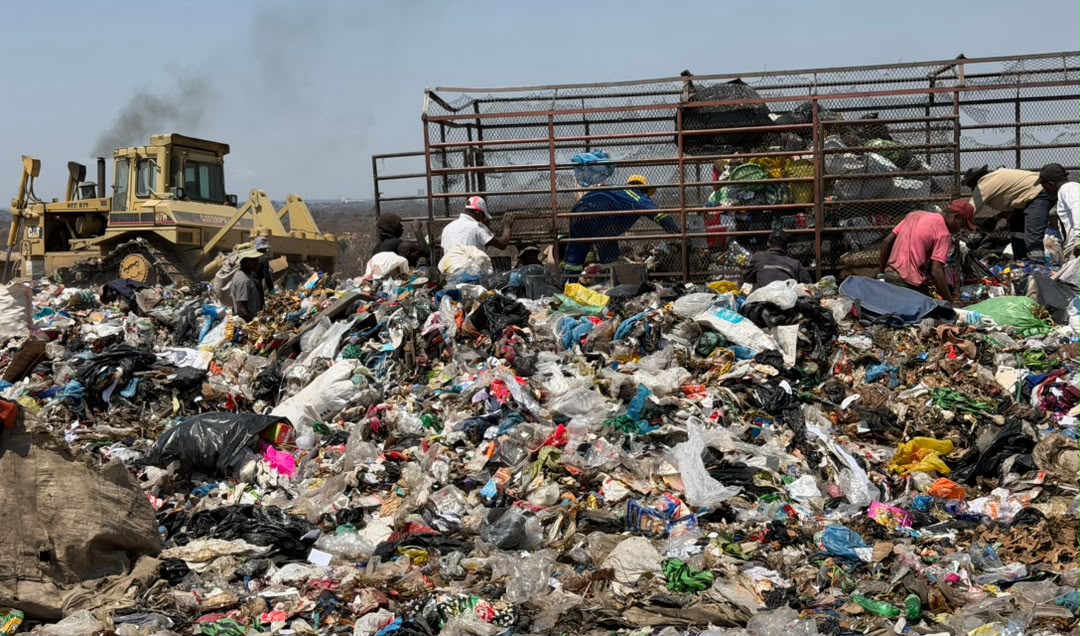
Service delivery has deteriorated to unprecedented levels in major cities and towns as evidenced by obsolete and dilapidated infrastructure especially roads, that garbage goes for months uncollected and perennial sewer pipe bursts.
At the centre of the rot is the MDC Alliance that has been looting at the expense of service delivery since it took control of the councils at the turn of the millennium.
The Ministry of Local Government and Public Works recently conducted investigations into the alleged misconduct by council officials in the last quarter of 2020.
In a Ministerial statement on the state of service delivery in local authorities, which was presented before Parliament last week, Local Government and Public Works Deputy Minister Marian Chombo said service delivery in urban councils continues to plummet.
“Service delivery levels in local authorities in Zimbabwe have gone down deplorably over the years and this is not only a matter of interest to us as the parent ministry, but to the nation at large. The recent tour by the Parliamentary Portfolio Committee on Local Government, Public Works and National Housing is testimony of such national interest,” she said.
“I must point out from the outset that the worst performing are urban local authorities that notwithstanding the problems bedevilling our councils are generic in nature and recent investigations by my Ministry into the conduct of councils or officials in the last quarter of 2020 can confirm this.”
Deputy Minister Chombo said the challenges faced by urban councils range from corporate governance collapse, obsolete and dilapidated infrastructure, poor street lighting and water and sewer reticulation infrastructure.
“It should be noted that major capital investments in infrastructure projects ended in the late 1990s when most of our traditional development partners started to pull out. As such, local authorities are now saddled with infrastructure that has since outlived its lifespan or no longer suffices for the settlements whose expansion has not been matched with the complementary infrastructural development,” she said.
“This is particularly so in the key service delivery area of water, sanitation and hygiene. Water and waste water treatment plants are continuously strained as they are being used beyond their design capacities.”
Deputy Minister Chombo said while Central Government has continued to avail funding through Public Sector Investment Programme, it is falling short of the requirements which run into hundreds of millions in United States dollars.
“To redress funding challenges, Government has all the webbing and encouraging as well as courting development partners to complement its own as well as local authority efforts. Countries like India and China have also availed loans for water, sanitation and hygiene infrastructure rehabilitation through the India Exim Bank and China Exim Bank respectively,” she said.
The Deputy Minister said while her ministry values these interventions, they still fall short of redressing the challenges that have accumulated over many years.
“We still encourage councils to enter into partnerships albeit bearing in mind the need to safeguard their interest as well as the public resources over which they preside.
“To this end, the reconfigured Zimbabwe Investment Development Agency (ZIDA) is there to give guidance to local authorities when they seek to enter into negotiations with potential partners so that the interest of the country and indeed the public at large are always given priority,” said Deputy Minister Chombo.
She said in terms of road infrastructure development, councils should not solely rely on the Zimbabwe National Roads Administration (Zinara) for yearly allocation of funds.
“To this end, the Ministry encourages local authorities to augment the annual Zinara disbursements by setting aside funds from their own budget toward road maintenance and upgrading.
“After consultation with the relevant line ministries, the Ministry agreed with councils to devote 20 percent of devolution funds towards road maintenance under the emergency road rehabilitation programme in view of the bad state of the road network that has been exacerbated by the heavy rains,” said Deputy Minister Chombo. — @mashnets


 Online Reporter