

 admin
admin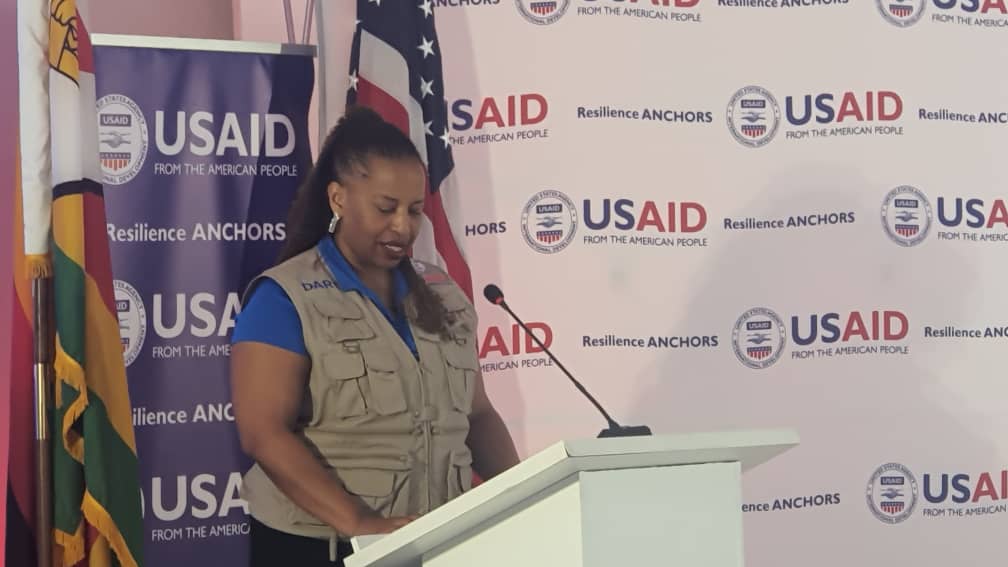
Ivan Zhakata
Herald Correspondent
The United States (US) is committed to sustainable natural resource management in Zimbabwe, USAID Zimbabwe mission director Ms Janean Davis has said.
In her remarks during the National Convention on Community Conservancies, Ms Davis said they firmly believe that local communities were best positioned to manage and protect their natural resources.
She said that they should be the primary beneficiaries of those resources.
The convention aims to promote community-led conservation and sustainable development in Zimbabwe.
It is running under the theme: “Empowerment through Community-led Conservation”.
“We are also encouraged by the proposed Parks and Wildlife Act Amendment Bill that we had the opportunity to discuss briefly this morning, which in part could lead to new and significant opportunities for community conservancies,” Ms Davis said.
“In support of this, the Resilience Anchors Project through one of its partners, the Zimbabwe Environmental Law Association, is working closely with stakeholders to share vital information about this bill. This engagement intends to help all people, including the communities, to be well-informed and contribute to the legislative process.
“I want to reaffirm that the United States, through USAID, is committed to supporting community conservancies and sustainable natural resource management. The United States Agency for International Development or USAID was part of campfire in its early days.”
Ms Davis said they invested close to US$30 million through two of their legacy projects, the first ran from 1990 to 1994 which was the national resources management project, and then its successor continued from 1995 to 2000.
She said the investments helped scale up Campfires nationally and led to the creation of the campfire development fund.
“Today, USAID’s support continues through resilience anchors strengthening wildlife communities in governance and management training and keeping community conservancy wildlife scouts, attracting private sector investments, promoting ecotourism, and mitigating human-wildlife conflicts.”



 Online Reporter