

 admin
adminaudience.
Genres of art which include visual arts and performing arts can be mediums of communication where artistes make use of different creative means to communicate or encode messages, which can, however, be received and interpreted differently by their target audiences depending on their own socio-cultural experiences.
With artistes making use of symbols of art or selected objects drawn from the natural environment together with usage of different colour combinations in the case of visual arts, an artiste is able to create an art piece and give suggestions of possible meanings to it.
What makes art adaptable to the gospel, however, is that it has the ability to actively involve the participation of audiences in the construction of meaning.
Some fine artistes who include people like Ron DiCianni, Nathan Greene, David Bowman and many others are known for their art creations which draw themes from the Bible but which also centre on the Lord Jesus Christ, who is the centre of people lives.
Such artworks can be decorated in homes and can be sources of inspiration even to young children who are empowered to use their imagination to construct meaning from works of art or even create mental images of an ideal Christian standard of living and behaviour.
Some symbols which have been used by many fine artistes include the image of a sheep, the shepherd, an open or a closed book, the cross, palm leaves or trees, images of angels, images of Christ and his disciples and many others.
However, due to the possibility of multiple meanings, art may impose numerous problems especially for gospel artistes who may fail to guide their audiences in the process of constructing meaning from their artworks.
The second problem with art is that it stifles debate and can lead to divisions among Christians who fail to agree on whether usage of symbols and objects should be accepted for the gospel.
Most people, however, agree that biblical symbols and objects can be used for communication among people themselves but cannot be a channel of communication with God or as objects of worship for believers.
More often than not, arguments around the use of symbols and objects in art stem from the second commandment on the Decalogue, which forbids the making graven images for worship since this constitutes idolatry.
“Thou shalt not make unto thee any graven image, or any likeness of any thing that is in heaven above, or that is in the earth beneath, or that is in the water under the earth: Thou shalt not bow down thyself to them, nor serve them: for I the LORD thy God am a jealous God,” Exodus 20 verses 4 and 5, King James Version.
In his commentary on the verses and on the subject of using images for worship, Reverent Matthew Henry wrote that it is not Godly to make or create images for purposes of worship.
“The Jews (at least after the captivity) thought themselves forbidden by this commandment to make any image or picture whatsoever. Hence the very images which the Roman armies had in their ensigns are called an abomination to them.
“It is certain that it (the commandment) forbids making any image of God (for to whom can we liken him? Isaiah 40:18, Isaiah 40:15), or the image of any creature for a religious use”, wrote Reverent Matthew Henry.
Other theological experts, however, have argued that the verses only referred to worship since the commandment was given in the context idol worship where Jews to whom the commandment was given had become adapted to other forms of worship during their captivity in Egypt.
Whichever explanation applies on this subject, art and any other medium of communication should not seek to divide the church or Christians, and in the case of divisions, it can be wise to use other ways of teaching the gospel.
Feedback: [email protected]


Online Reporter
- Chronicle , Herald , Manicapost , SundayMail , SundayNews
- September 19, 2026
- 58 views
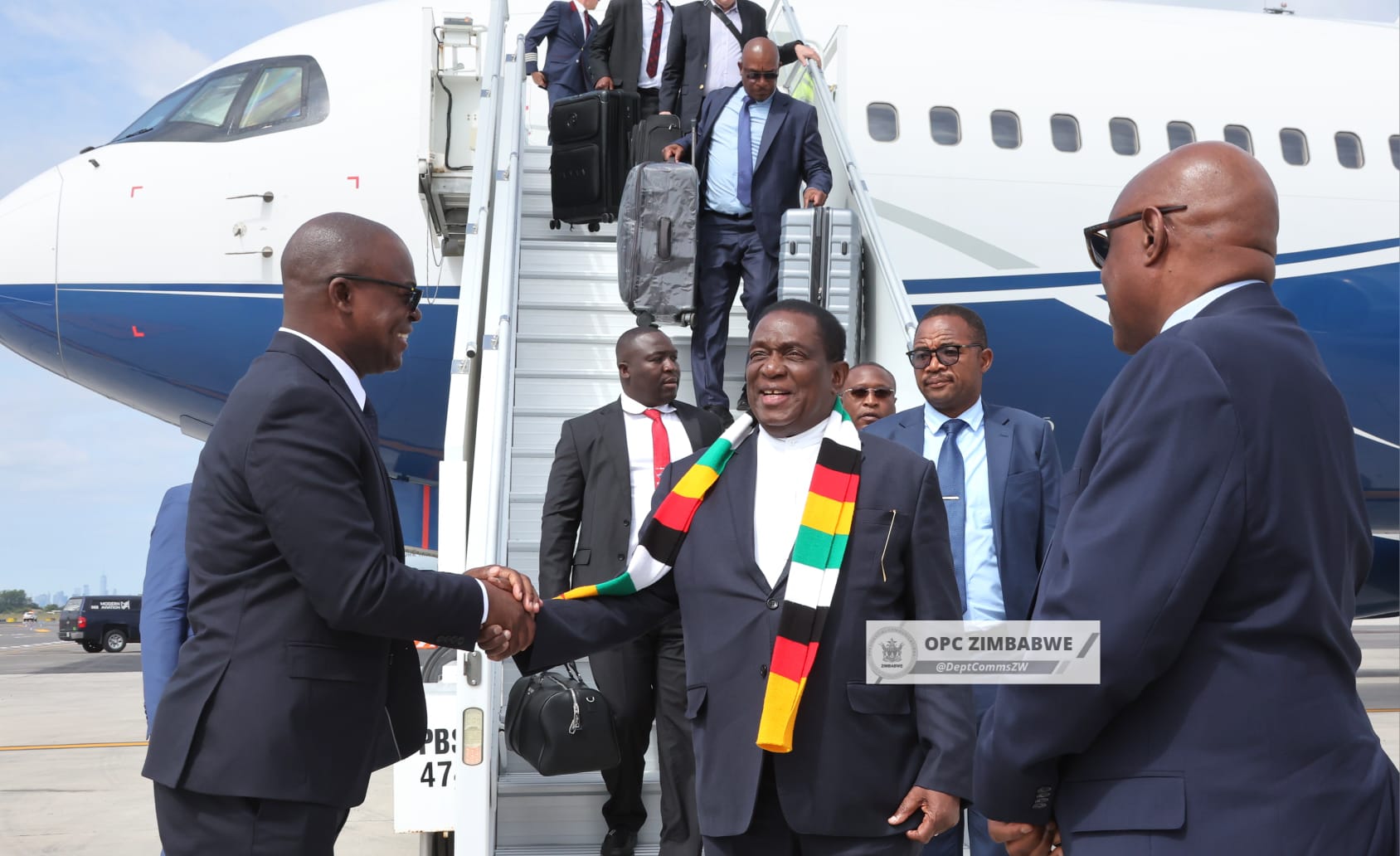
NEW: President Mnangagwa arrives in New York, to attend Zimbabwe Business Forum tomorrow
Wallace Ruzvidzo in NEW YORK, USA PRESIDENT MNANGAGWA has arrived in New York to join fellow Heads of State and Government at the 81st Session of the United Nations General…
