Online Reporter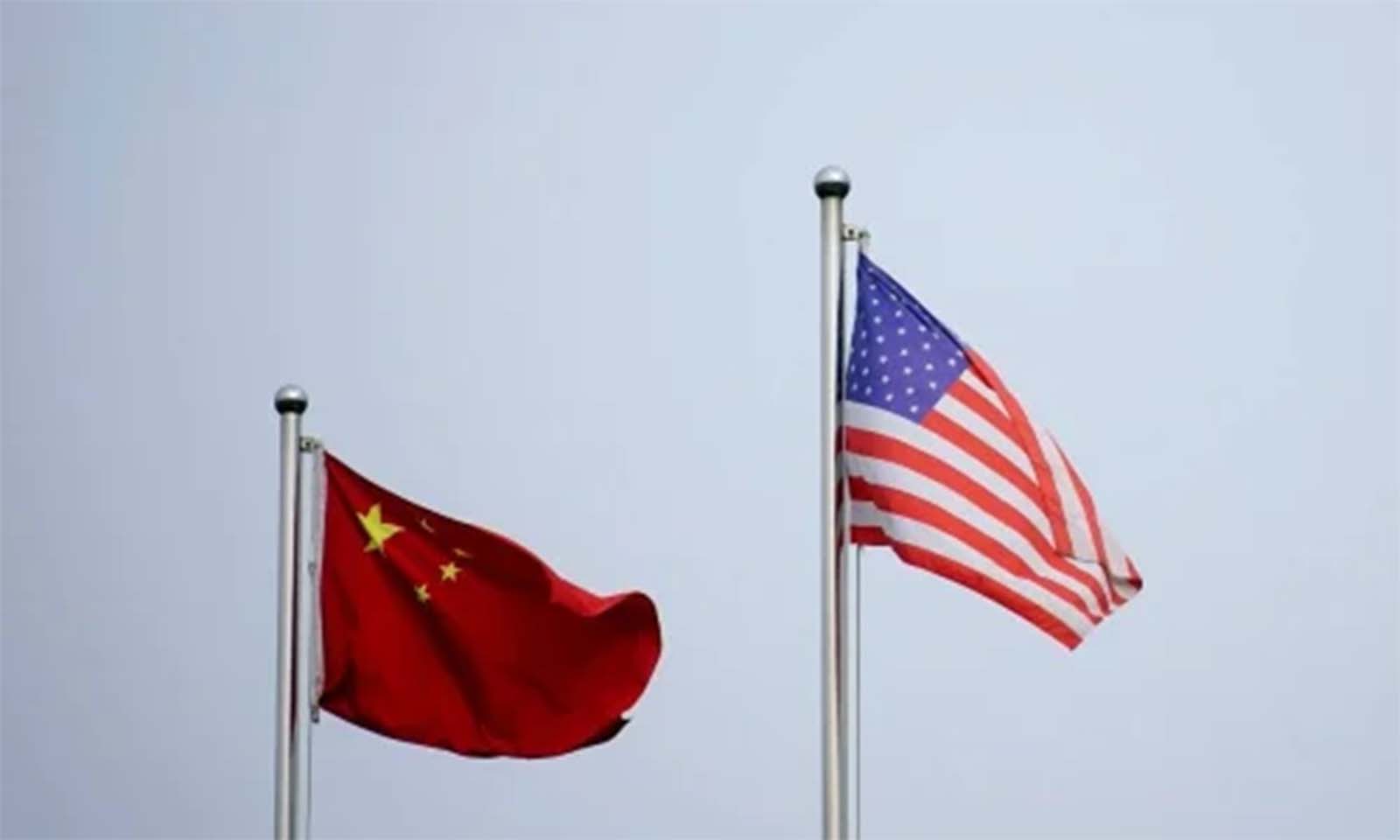
Tichaona Zindoga
IN 1590, an English poet by the name Edmund Spenser crafted an epic poem, The Faerie Queene which featured a character called Braggadoccio. This would become a term to refer to personification of vain boasting, and it is said that by1594 it became a word to describe any swaggering braggart (a person who boasts excessively about their achievements, possessions, or abilities).
Over time, the meaning of the word has expanded to refer to empty boasting or arrogant pretension, becoming widely used in the 18th century; and now it is commonly used in political discourse, sports commentary, and business rhetoric to describe exaggerated self-confidence or bluster without substance.
This description may perfectly fit the United States of America if what its Secretary of State under Donald Trump — Marco Rubio — said recently.
On May 25, Rubio appeared before the Senate Committee on Foreign Relations to give remarks on FY26 Department of State Budget Request and felt challenged to compare US’ foreign policy and spending to that of China.
Here is what Rubio said in part: “China doesn’t do humanitarian aid. China does predatory lending. That’s what Belt and Road Initiative is . . .”
What emerged were not just fallacies but an epic lack of grounding in reality characteristic of the US, which Rubio’s excessive bragging will simply not cover.
Usually, bragging and showiness are signs of compensating for a lack in some areas, and this has become all too apparent.
First of all, it is critical to debunk some clear and unashamed lies by the American foreign policy chief.
China gives. China’s humanitarian assistance has evolved significantly over the past few decades, transitioning from a recipient of foreign aid in the mid-20th century to one of the most active providers of South-South co-operation today.
Spearheaded by its official foreign aid agency, the China International Development Co-operation Agency (CIDCA) — operating through its well-known arm, China Aid — Beijing has increasingly prioritised humanitarian outreach as a core pillar of its foreign policy and global engagement.
This strategic pivot aligns with China’s rising economic capacity and its broader vision of building a “community with a shared future for mankind.”
Its approach blends emergency relief with long-term development assistance, underpinned by principles of mutual respect and political non-interference.
Over the last two decades, China has provided billions of dollars in humanitarian aid to more than 100 countries. Its assistance is typically untied, meaning it comes without the political strings often attached to Western aid. China channels this support through bilateral agreements as well as multilateral institutions such as the World Health Organisation (WHO), the UN World Food Programme (WFP), and the African Union.
One of the key pillars of China’s humanitarian support is food security and nutrition.
In times of drought, conflict, or economic crisis, China Aid has provided substantial quantities of rice, wheat, and cooking oil to food-insecure regions. For example, in 2019, Zimbabwe — facing severe drought and economic hardship — received over 10 000 tonnes of rice, feeding more than a million people in rural and peri-urban communities.
Additional donations of maize and staples followed in 2021 and 2023. In the Horn of Africa, countries like Ethiopia and Somalia have also received emergency grain shipments during prolonged drought crises.
China’s humanitarian outreach has also played a critical role in medical assistance and disease control. During the Covid-19 pandemic, China provided vaccines, personal protective equipment, ventilators, and testing supplies to more than 80 countries. Zimbabwe benefitted from vaccine donations (including Sinopharm and Sinovac), expert medical teams, and the development of cold chain infrastructure. China also supported Harare’s Parirenyatwa Hospital with isolation facilities. Previously, during the 2014 Ebola outbreak, China was one of the first to respond in West Africa, deploying mobile labs and healthcare workers to Sierra Leone and Liberia, thus demonstrating its readiness in global health emergencies.
In agricultural technical support, China has worked closely with partner countries to boost food production and resilience. Since 2009, six batches of Chinese agricultural experts have been deployed to Zimbabwe, helping to modernise farming techniques, enhance irrigation, and train thousands of local farmers. Co-operation villages have shown tangible results, particularly in maize and horticulture yields. Similar initiatives in Tanzania and Mozambique have introduced hybrid rice varieties and mechanised farming practices, complemented by capacity-building for local technicians.
Another critical area is disaster relief and emergency response. China Aid has been quick to mobilise resources in the wake of natural disasters. After the 2022 floods in Pakistan, China delivered emergency tents, medicine, and rescue equipment, along with commitments for reconstruction aid. In Nepal, following the 2015 earthquake, China dispatched over 1 000 personnel and assisted in rebuilding essential infrastructure. Zimbabwe, too, received prompt support after Cyclone Idai in 2019, including $800 000 in emergency funds and substantial material assistance for rebuilding damaged infrastructure in the eastern highlands.
Finally, China places strong emphasis on capacity building and technical assistance, supporting long-term development through scholarships, vocational training, and knowledge exchange. Across Africa, over 30 000 government officials and professionals have been trained in fields such as public health, disaster management, ICT, and governance. Zimbabwe has particularly benefited, with engineers, civil servants, and technicians receiving training in China, while Chinese experts have contributed in-country to key sectors like health, telecommunications, and transportation.
Collectively, these initiatives reflect China’s distinctive approach to humanitarian aid — pragmatic, needs-based, and anchored in the principle of mutual benefit.
China not taking over from failed USAid
China has not been on record as stating that it will replace and supplant the US as a major donor country. In so far as many China watchers like the writer is concerned, China naturally fits the bill because of its capacity and there have been many credible indications that it will fill the gap. However, just like in many geopolitical questions, China is simply not keen on raking up competition and an empty, verbal war. As a matter of fact China does not need to jostle to become a USAid replacement, when the US model has been a failure — a fact admitted by the Americans themselves.
Instead, China has built a strong model that works perfectly, accountably and sustainably; which the US is unlikely to replicate.
China has prioritised infrastructure development, long-term financing, and strategic cooperation through multilateral frameworks such as the Forum on China-Africa Cooperation (Focac) and the Belt and Road Initiative (BRI). These platforms are built on the principle of mutual consultation, shared benefits, and respect for sovereignty.
In Zimbabwe, for instance, China’s commitment is visible and measurable. Projects like the Hwange Power Station Expansion (Units7 & 8), Kariba South Hydroelectric Project, and the Robert Gabriel Mugabe International Airport expansion have been transformative, bringing over 600MW of power, modernized aviation infrastructure, and employment opportunities to thousands.
Focac has become a model success of multilateral co-operation where the US has failed with its US-Africa Summit.
At the 2024 Beijing Summit of the Forum on China-Africa Co-operation (FOCAC), China unveiled ten comprehensive partnership actions designed to steer the future of China-Africa relations over the next three years.
These initiatives, rooted in the principle of mutual benefit and shared development, reflect China’s growing commitment to Africa’s modernisation agenda and aim to foster deeper political, economic, cultural, and security ties across the continent.
Among the key outcomes is the Partnership Action for Mutual Learning among Civilizations, which emphasizes cultural exchange, governance collaboration, and the strengthening of research platforms such as China-Africa studies centres. On the economic front, China pledged zero-tariff treatment for all products from least-developed African nations with diplomatic ties to China, while expanding trade through programmes supporting African SMEs, digital transformation, and industrial co-operation.
Infrastructure and connectivity also feature prominently, with China committing to 30 major infrastructure projects to enhance continental integration, including through Belt and Road mechanisms. In terms of human development, China will implement 1 000 grassroots livelihood projects, build standardised agricultural demonstration areas, and send over 2 000 medical personnel to support health systems, including the establishment of a China-Africa Hospital Alliance.
The action plan also prioritises green development through clean energy projects and disaster response systems, and addresses security cooperation via military assistance, training, and peacekeeping support. These efforts are backed by a financial commitment of RMB 360 billion (approx. USD50,7 billion), combining concessional loans, development assistance, and private sector investments.
Taken together, the areas of 10 partnership action plans represent a co-ordinated, long-term strategy aimed at deepening China’s role as a trusted partner in Africa’s pursuit of sustainable development, particularly in light of the retreat of Western actors from many of these sectors. This reinforces the view that China’s approach is more attuned to Africa’s needs, priorities, and aspirations.
The idea that USAid or any American model being better than China’s cooperation is simply nonsensical.
USAid, in particular and US policy in Africa in general represent a disconnect and failure precisely because the US pursued wrong approaches such as focus on human rights and interventionism, which China long had the wisdom to steer away from.
Now the chickens have come home to roost.
Rubio told the hearing: “And ultimately, foreign policy — mature foreign policy — requires a balancing of interests . . . Our human rights agenda is going to look different in certain parts of the world than it will in others. That doesn’t mean that we as a people have abandoned it. That means that in a world where you need to conduct real foreign policy in a mature and structured way, there are ways you’re going to have to balance all these. . .”
Of the USAid, an organisation criticised for its abuse and waste, Rubio revealed that, “At USAid, 12 cents of every dollar was reaching the recipient. That means that in order for us to get aid to somebody, we had to spend all this other money supporting this foreign aid industrial complex.”
It is intriguing that the US can openly admit these inefficiencies and failures as well as corruption, but still boast of being the best.
Debunking America’s Fallacies
Rubio’s address is notable for its references to lending and debt by China and this “debt trap diplomacy” narrative has gone on for some time. This narrative is inconsistent with facts. China’s loans are negotiated in consultation with African governments, take into account repayment capacity, and come with no political strings attached.
In Zimbabwe nearly $1 billion in concessional loans for energy and infrastructure has been transparently disbursed and aligned with national development goals.
Data elsewhere shows that most indebted countries owe Western institutions and nations than China; and these Western entities have more interest imposed on their lending to African countries.
China, for its part, has done a significant lot towards debt relief, particularly for low income countries in Africa.
China has implemented several measures to ease the debt burden on African and other developing countries, focusing on loan waivers, debt restructuring, and sustainable investments. It has waived intergovernmental interest-free loans for 33 African nations, actively participated in G20 debt relief initiatives, and co-chaired Ghana’s official creditors’ committee under the Common Framework for Debt Treatment. Additionally, China is shifting towards sustainable investments, exploring debt-for-development swaps, and continuing to provide concessional loans for infrastructure to bridge Africa’s development gaps.
At Focac in 2024, China introduced the concept of “small but beautiful projects,” which has barely been discussed in-depth. The concept, which is a solution to unsustainable debt, represents a significant evolution in the philosophy of China-Africa development co-operation. These projects — ranging from rural health clinics and vocational training centres to solar mini-grids and agricultural demonstration farms — prioritise tangible social benefits and immediate improvements in people’s livelihoods.
The idea marks a strategic pivot in two critical ways. First, it reflects a shift toward decentralized and grassroots development, aligning with Africa’s need for inclusive growth that reaches beyond capital cities and elite beneficiaries. Second, and most crucially, it offers a potential antidote to the concerns around debt sustainability. By focusing on modestly scaled projects that match local absorptive capacity and do not require massive loans, this model reduces the financial burden on African governments while still delivering meaningful development outcomes.
“Small but beautiful” projects are often financed through grants, concessional loans, or hybrid funding models, and they tend to be more cost-effective, transparent, and participatory, with a focus on job creation and community ownership. In this way, the approach not only supports Africa’s development aspirations but also addresses Western criticisms regarding China’s alleged “debt trap diplomacy” — showing a maturing, more nuanced strategy in China’s engagement with the continent.
This answers emphatically, claims of “vanity projects or infrastructure built by the Chinese government”, as expressed by a US official,
Troy Fitrell, Senior Bureau OfficialBureau of African Affairs <https://www.state.gov/biographies/troy-fitrell/> called during the address at the Launch of Bureau of African Affairs Commercial Diplomacy Strategy on May 14, in Abidjan, Ivory Coast.
What is notable in this latter official’s address in Abidjan was his admission that America is now playing catch up to China, which has been Africa’s largest trading partner since 2010.
Positive impact of Chinese investment
Beyond these issues, there are still many allegations that fly around concerning Chinese investments in Africa, including Zimbabwe, that barely mention the positives of China’s involvement.
Chinese enterprises in Zimbabwe employ more than 80 percent local staff, contributing to close to 100 000 jobs, according to figures from Chinese employers. China is Zimbabwe’s biggest of foreign direct investment and Chinese companies are the biggest formal employer outside government.
Agricultural co-operation, dating back to 2009, has modernised farming practices, trained thousands of farmers, and boosted food security. This is a far cry from colonial patterns of extraction and exploitation.
China has also demonstrated a strong commitment to environmental and social sustainability. Through green projects such as the Mini-grid Solar Project in Zimbabwe — powering remote communities with clean energy — and the environmentally conscious Tema Port expansion in Ghana, China proves that development and environmental protection can coexist.
Many of the countries jointly building the Belt and Road Initiative are countries in the Global South, which have complex and fragile ecological environments. There’s a common conflict between boosting economic growth, enhancing industrialisation and people’s living standards, and safeguarding the ecological environment. However, the BRI adheres to green development, promotes a virtuous cycle of ecology, society and economy, enabling African countries to better utilise green technologies and clean energy.
At the same time, BRI projects have impacted positively on Zimbabwe, as elsewhere in Africa. Take the co-operation between China and Zimbabwe as an example. Jiangsu International has completed various national infrastructure projects, including the Victoria Falls International Airport Upgrading Project, the RGM International Airport Expansion Project, and numerous key projects like universities, hospitals, and business complexes. These projects have promoted the modernisation of infrastructure in Zimbabwe. In the past decade, the company has paid nearly $50 million in taxes and provided thousands of job opportunities for the local people. Since 1997, Huawei has been operating in Zimbabwe for over 25 years. It has supported local operators in providing communication services to more than 12 million Zimbabweans and created over 300 local jobs. Moreover, Huawei has established the first national broadband network, the first 3G and 4G networks, and the first national data centre in Zimbabwe.
Overall, while promoting infrastructure construction and economic development in various countries, the BRI attaches great importance to social impacts. As proven by the practice of numerous projects, the BRI strongly promoted the sustainable development of local societies and brought tangible benefits to the local people.
*Zindoga is an expert on China-Africa affairs and Director of Ruzivo Media and Resource Centre Trust, a local think tank that analyses global and local issues.



 derick.khumalo