Disability Issues-Dr Christine Peta
This week, we explore how vaccines are not only lifesaving tools but also play a vital role in advancing disability rights and inclusion.
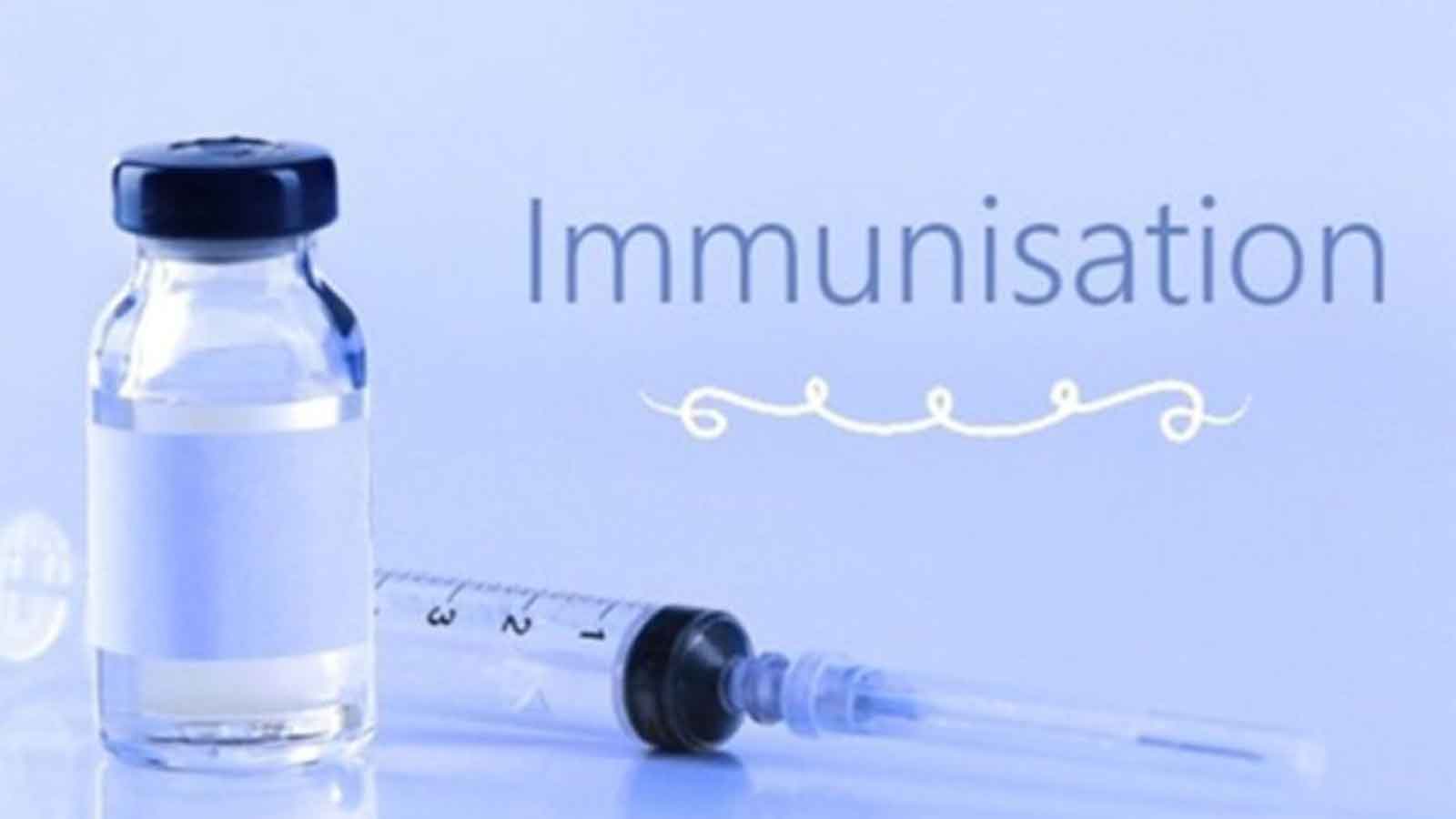
Immunisation is often discussed in terms of preventing disease outbreaks, but its deeper impact lies in shaping societies where fewer children acquire preventable disabilities and where persons with disabilities are not left behind.
Vaccines are among the most powerful public health interventions in history.
They eradicated smallpox, drastically reduced polio and curbed measles, diphtheria and other deadly diseases.
Beyond saving lives, vaccines prevent conditions that can lead to lifelong disabilities. Polio, for example, once paralysed hundreds of thousands of children annually.
Today, thanks to global immunisation campaigns, polio is nearly eradicated, sparing millions from permanent physical impairments.
Similarly, measles can cause blindness, deafness and brain damage in severe cases. Rubella, when contracted during pregnancy, can lead to congenital disabilities such as heart defects, hearing loss and developmental delays.
By preventing these diseases, immunisation directly reduces the incidence of disability, protecting children’s futures and easing the burden on families and health systems.
Immunisation is not just a medical intervention — it is a matter of equity and justice.
Ensuring that vaccines reach persons with disabilities affirms their right to equal protection and participation in society.
Some religious beliefs have led parents to refuse immunisation for their children.
While faith must be respected, it is important to emphasise that protecting children’s health is consistent with values of care, stewardship and safeguarding life.
Many faith traditions remind parents that ensuring children are immunised is not a contradiction to belief but an expression of it.
World Immunisation Week, which ran from April 24 to 30, provides an opportunity to reframe vaccines as part of a broader disability rights agenda.
Inclusivity must be embedded into immunisation strategies — campaigns should be accessible, culturally sensitive and responsive to the lived experiences of persons with disabilities.
Failing to prioritise inclusive immunisation has long-term consequences.
Preventable diseases can lead to lifelong impairments, increasing the number of persons with disabilities.
Families may face economic hardship, children may be excluded from education and communities may lose the contributions of individuals whose potential is curtailed by preventable conditions.
A call to action
World Immunisation Week is not only a celebration of past victories but also a reminder of unfinished work.
Immunisation campaigns that embrace diversity as a driver of excellence can transform societies, ensuring that no child is denied protection because of religion or other social attributes.
Vaccines save lives, but their true power lies in shaping inclusive futures.
As Zimbabwe and Africa celebrate World Immunisation Week, we must recognise immunisation as both a public health triumph and a disability rights imperative.
Parents play a vital role in protecting their children’s futures.
A simple but powerful message to parents is: Vaccines protect your child’s future. Immunisation is the difference between a life of opportunity and a life limited by preventable disability.
By ensuring children are vaccinated, parents give them the best chance to grow up healthy, strong and able to pursue their dreams. Religious leaders can be powerful allies in this effort, reassuring families that vaccines are safe, effective and aligned with the moral duty to protect children.
As one message to faith-based communities puts it, “Faith calls us to protect life. Immunisation honours that calling by ensuring our children are safe from preventable diseases and disabilities.”
Global health advocates remind us: “No one is safe until everyone is safe.”
If some children are left unvaccinated, preventable diseases like measles or polio can resurface, spreading across communities and endangering everyone.
We must work together to ensure every child is immunised so that no one is left vulnerable, and the whole world is protected.
Dr Christine Peta is a disability, public health, policy, international development and research expert. She can be contacted on: [email protected]