Chronicle Editor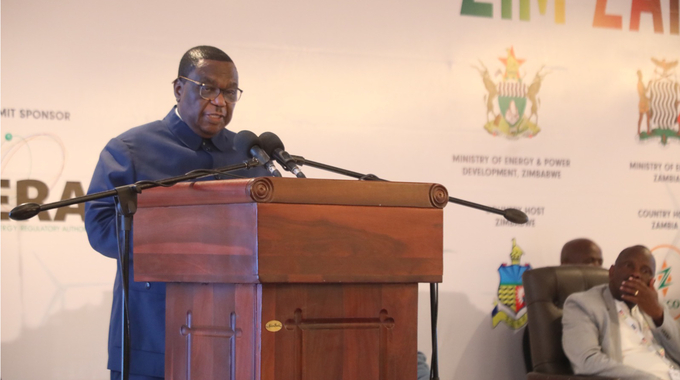
Leonard Ncube, [email protected]
VICE-PRESIDENT General (Retired) Dr Constantino Chiwenga has championed the pivotal role of renewable energy in the region’s energy transition, highlighting the potential of vast untapped natural resources and the importance of policies that foster energy investments.
Officially opening the inaugural Zimbabwe-Zambia (Zim-Zam) Energy Projects Summit in Victoria Falls yesterday, VP Chiwenga highlighted the region’s rich energy potential, ranging from hydroelectric power to solar and wind resources. He noted that the Kariba Dam, shared by both countries, stands as a powerful symbol of their shared commitment to harnessing clean energy. These natural resources must be utilised sustainably, efficiently and equitably to meet the growing energy demands of the population.
Running under the theme “Powering Zimbabwe and Zambia’s Sustainable Energy Future: Unlocking Opportunities in Renewables, Grid Modernisation and Energy Access,” the summit is being attended by local and foreign delegates from various sectors, including energy, financial institutions, regulators, power utilities and government departments.

Dr Chiwenga stated that the summit comes at a time when the energy sector is at the centre of global discussions on energy security, economic development, sustainability and the urgent need for transformative change.
“As we look to the future, renewable energy will play a central role in our energy transition. Zimbabwe and Zambia are well-positioned to lead the charge in renewable energy with vast untapped resources in solar, wind and hydro. The global shift toward cleaner energy is already underway, and it is imperative that both of our nations embrace this transition, not only to meet today’s energy needs but also to build a clean, sustainable and resilient energy future,” he said.
He pointed out the highly promising potential of solar energy, as both nations enjoy abundant sunlight throughout the year.
With the right investments, large-scale solar farms can generate power not only for local consumption but also for export to neighbouring countries through regional power pools like the Southern African Power Pool (Sapp).
Dr Chiwenga mentioned that the Zambezi River Authority is exploring floating solar and pumped storage projects on the Zambezi Basin and Kariba Dam. These initiatives will enhance national energy security and position both nations as key players in the regional energy market.
“To unlock this potential, it is essential that we continue developing policies that encourage renewable energy investments.

This includes building supportive regulatory frameworks, offering incentives to investors and ensuring that our local workforce has the necessary skills to build, maintain and manage these projects.
“Let us commit to working together to harness the full potential of our natural resources, build resilient, sustainable and affordable energy systems and provide reliable power to every home, school and business in our countries. Together, we can create an energy future that supports economic growth, improves the quality of life for all Zimbabweans and Zambians, and ensures that our children inherit a cleaner, greener and more prosperous world. The future of energy in Zimbabwe and Zambia is full of promise, but realising this potential will require a clear vision, strong collaboration and unwavering commitment. The conversations and agreements forged at this summit will lay the foundation for a new chapter in the energy development of both our nations,” he said.
Zambia and Zimbabwe aim to provide accessible and affordable energy for all by 2030 to improve people’s lives and support industrial growth. The private sector is central to this vision, with financing energy projects being a shared responsibility between the public and private sectors, while the government creates the necessary investment conditions.
VP Chiwenga stressed that policies should not leave anyone behind because access to energy is not a luxury but a fundamental right that underpins education, healthcare, agriculture and job creation.

“Therefore, through expanding energy access, we are laying the foundation for sustainable development that benefits every Zimbabwean and Zambian. We must also collaborate with regional and international financial institutions to explore innovative financing solutions for large-scale energy projects, including concessional loans, blended finance and green bonds,” he said.
He said that the two countries can leverage international expertise while empowering local industries to take an active role in the growth and development of the energy sector through public-private partnerships.
VP Chiwenga said securing investment is crucial to realising the energy vision, hence the need to scale up investment into the Batoka Gorge and Devil’s Gorge hydroelectric stations as part of efforts to strengthen energy resilience. He noted that Zimbabwe and Zambia stand at the crossroads of an energy future defined by collaboration, innovation and shared prosperity. The two nations are not merely neighbours but partners in progress, and the challenges and opportunities within their energy sectors demand working together as part of a broader regional effort to secure energy stability across Southern Africa.
He concluded that the summit, which ends tomorrow, presents a unique opportunity to build on the progress already made and to create a model of regional co-operation that can serve as a beacon for others, demonstrating how to enhance energy resilience, promote sustainability and accelerate industrial growth.
VP Chiwenga said Zimbabwe is currently developing an integrated energy resource plan that will identify energy resources and chart an optimal development path, with a balanced energy mix that reduces dependence on a single source.
“The challenge of energy access remains one of the most pressing issues for both Zimbabwe and Zambia. While we have made significant progress in expanding electricity access, far too many of our citizens, particularly in rural and underserved areas, still lack reliable energy. This limited access means fewer economic opportunities, lower standards of living and slower industrial growth.
“We must commit to finding innovative solutions that increase investment in both on-grid and off-grid energy solutions. We must harness the power of new technologies, such as solar mini-grids, energy storage systems and smart grids, to bring electricity to even the remotest corners of our countries,” he said.
He stressed the need to address the critical infrastructure required to support the energy vision, facilitate cross-border electricity trade and regional integration and prioritise modernising power transmission and distribution networks. The VP said we should future-proof our energy systems by integrating emerging technologies such as smart grids, energy storage and advanced metering to manage electricity demand, reduce inefficiencies and maximise the use of our energy resources.
Infrastructure development should support industrialisation and energy-intensive industries, particularly in mining and agriculture, ensuring they have access to reliable and affordable energy.



 Online Reporter