Online Reporter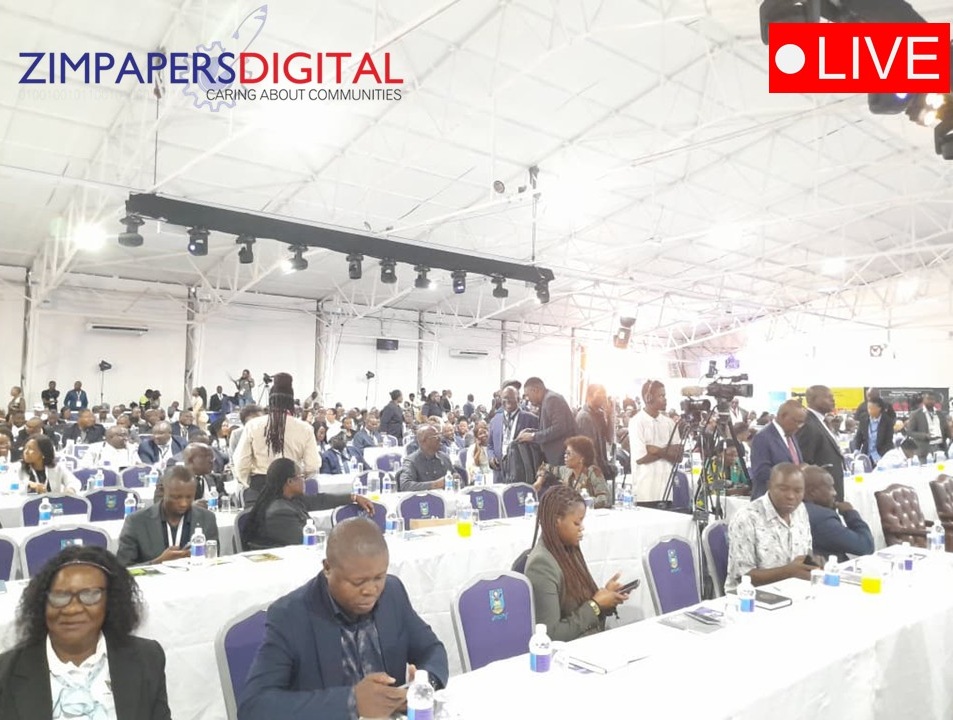
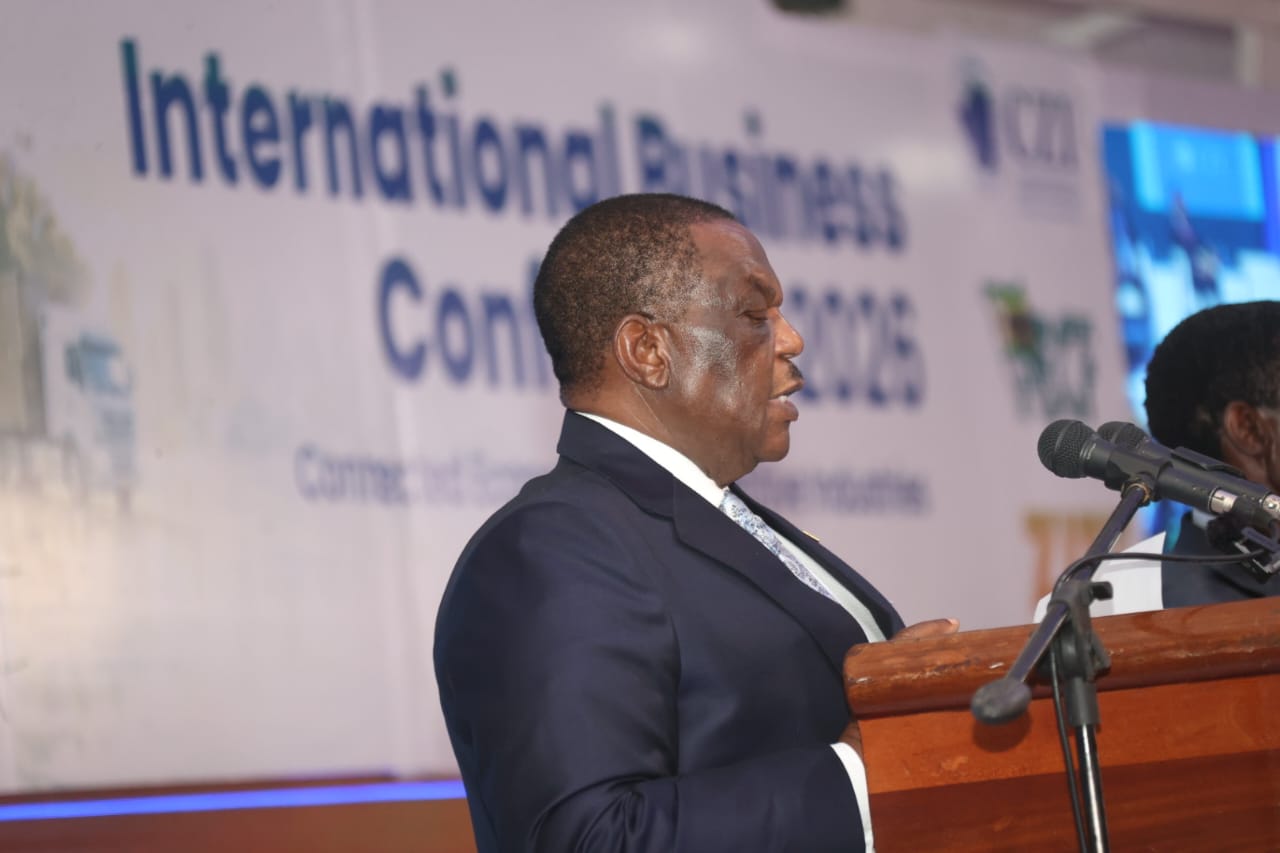
VICE-PRESIDENT Constantino Chiwenga is expected to preside over the high-level International Business Conference (IBC) in Bulawayo, a flagship engagement of the ongoing Zimbabwe International Trade Fair (ZITF), as momentum builds around efforts to accelerate the country’s industrialisation and economic transformation.
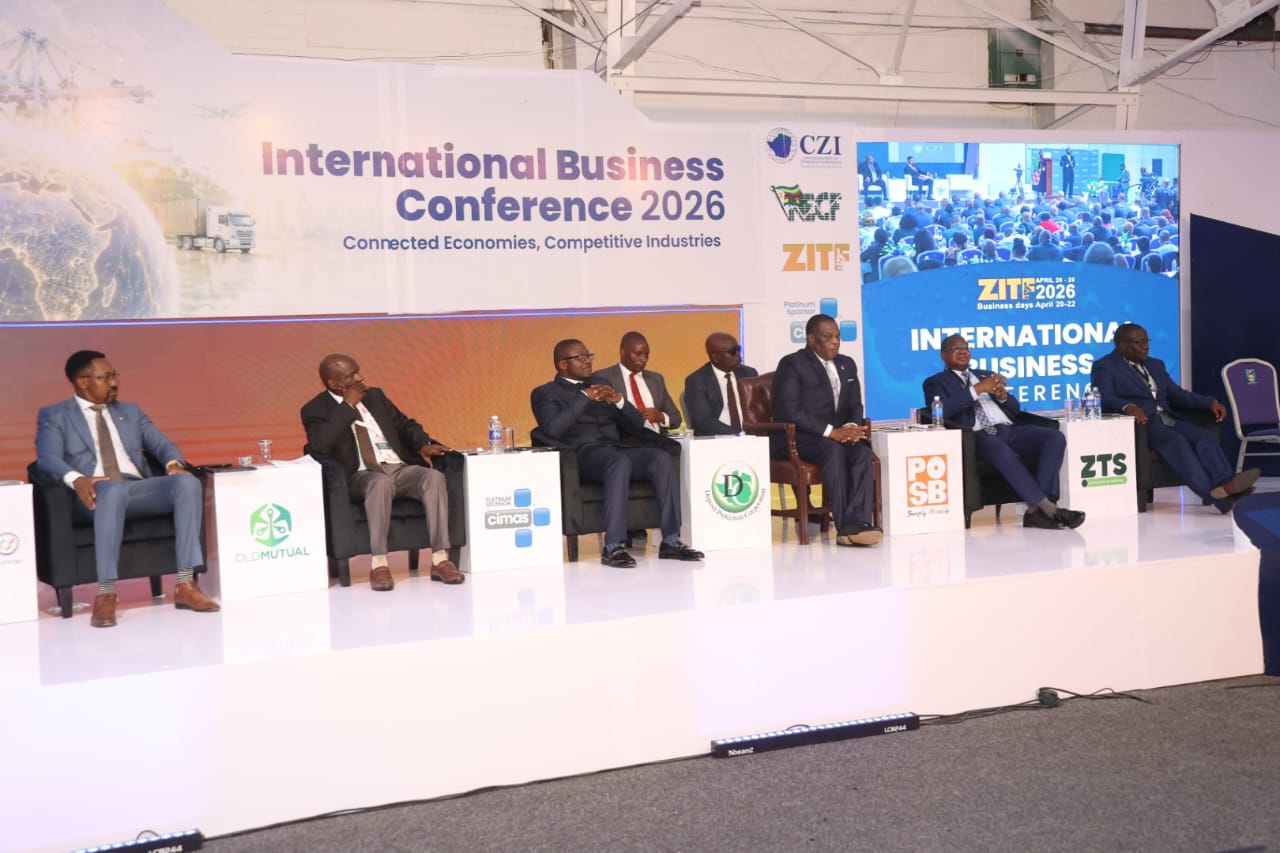
The IBC, jointly hosted by the ZITF Company and the National Economic Consultative Forum (NECF), has become a central feature of the premier trade showcase, providing a strategic platform for dialogue among Government, business leaders, academia and international investors.
Zimpapers Business Hub reporters Nqobile Bhebhe, Sikhulekelani Moyo, Judith Phiri and Chief Photographer, Believe Nyakudjara are attending the conference and will be giving us live updates.
International Business Conference to spotlight industrial revival, investment
This year’s indaba comes at a time when Zimbabwe is seeking to consolidate gains in economic stabilisation while unlocking new growth opportunities through industrial revival, trade integration, technological innovation and access to global financing.
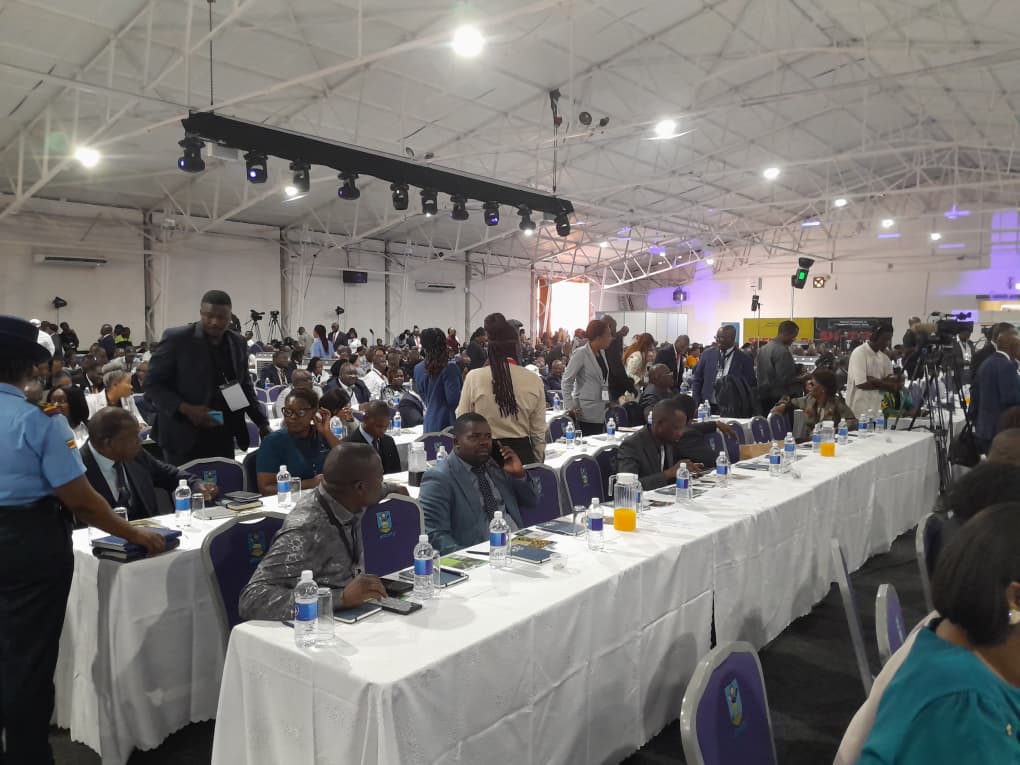
Delegates drawn from diverse sectors have already started arriving at the venue, with organisers projecting about 800 participants.
The conference has, over the years, attracted strong local and international interest, with investors keen to explore Zimbabwe’s economic prospects and policy direction.
Running under the broader ZITF the topic “Business, Economic and Policy Opportunities in Zimbabwe’s structural Transformation Ambition and Agenda” is expected to generate robust discussions on how the country can leverage regional and global value chains to enhance productivity and competitiveness.
Vice-President Chiwenga’s expected presence underscores Government’s commitment to engaging stakeholders in shaping policies that drive inclusive and sustainable economic growth.
The IBC has evolved into a critical policy-shaping forum, with previous editions producing far-reaching resolutions aimed at strengthening Zimbabwe’s industrial base. Among key outcomes from last year was the proposed establishment of Tripartite Public-Private-Academic Councils to foster collaboration in industrialisation.
The initiative, spearheaded by the Ministry of Industry and Commerce in partnership with the Ministry of Higher and Tertiary Education, Innovation, Science and Technology Development, is designed to bridge the gap between research, policy and production.
Another major resolution focused on positioning Bulawayo as a hub for innovation and manufacturing through the development of a comprehensive “Bulawayo Reindustrialisation and Innovation Plan.” The blueprint envisages the designation of Special Economic Zones, infrastructure upgrading, promotion of targeted industries, and the establishment of innovation hubs and technology parks.
Efforts to enhance international collaboration and investment mobilisation also featured prominently, with plans to establish sector-specific platforms targeting key industries such as agro-processing, mining and pharmaceuticals. These platforms are expected to facilitate trade missions, joint ventures, investment conferences and technology transfer agreements.
As the conference convenes, attention is also expected to be on how such resolutions are being implemented and the extent to which they are translating into tangible industrial growth and investment inflows.
The ZITF runs until Saturday at the Zimbabwe International Conference and Exhibition Smart City (ZICES), drawing exhibitors and visitors from across the region and beyond, in line with its status as Zimbabwe’s premier trade and investment showcase.
VP Chiwenga arrives for key ZITF Business Conference

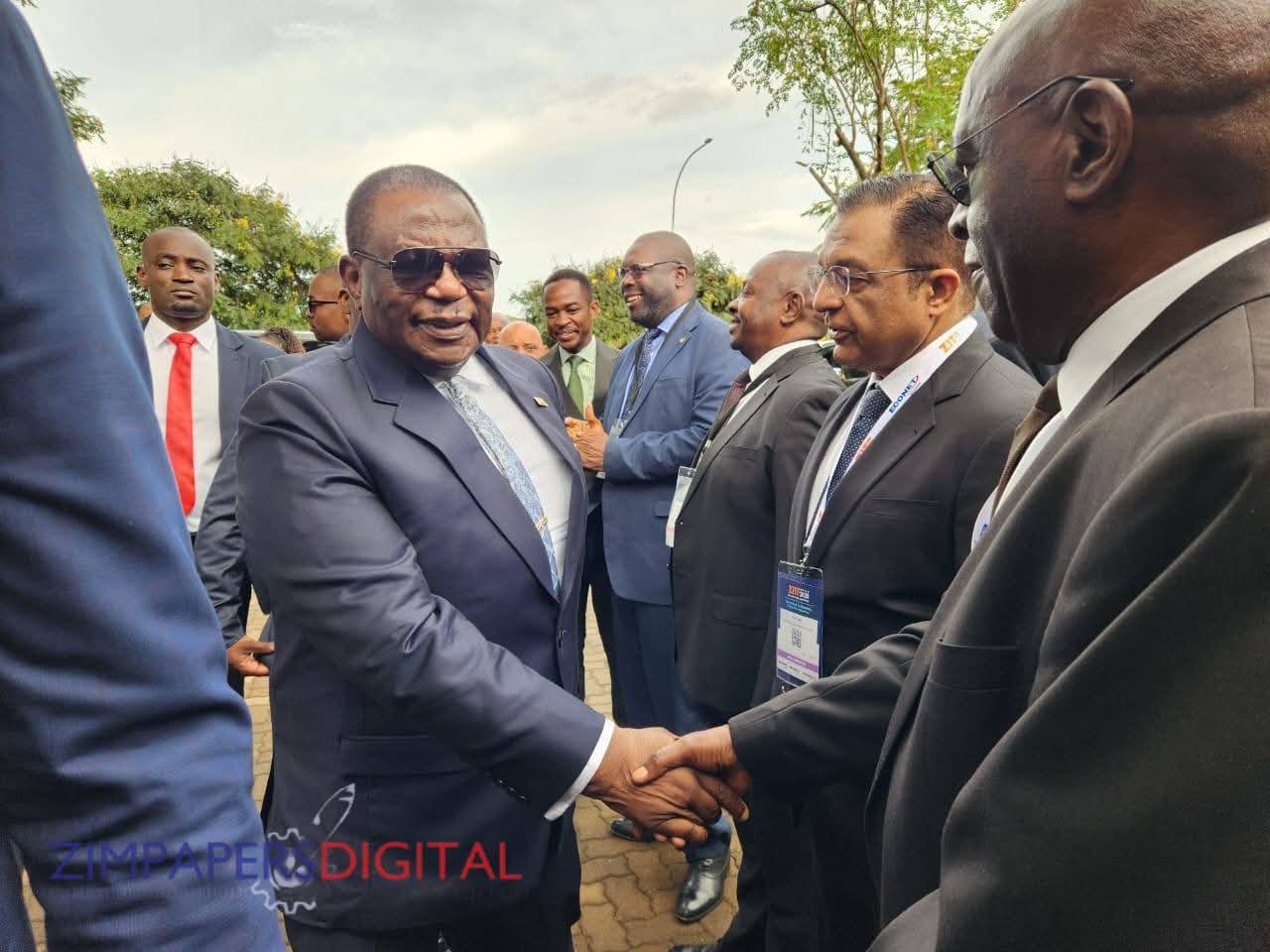
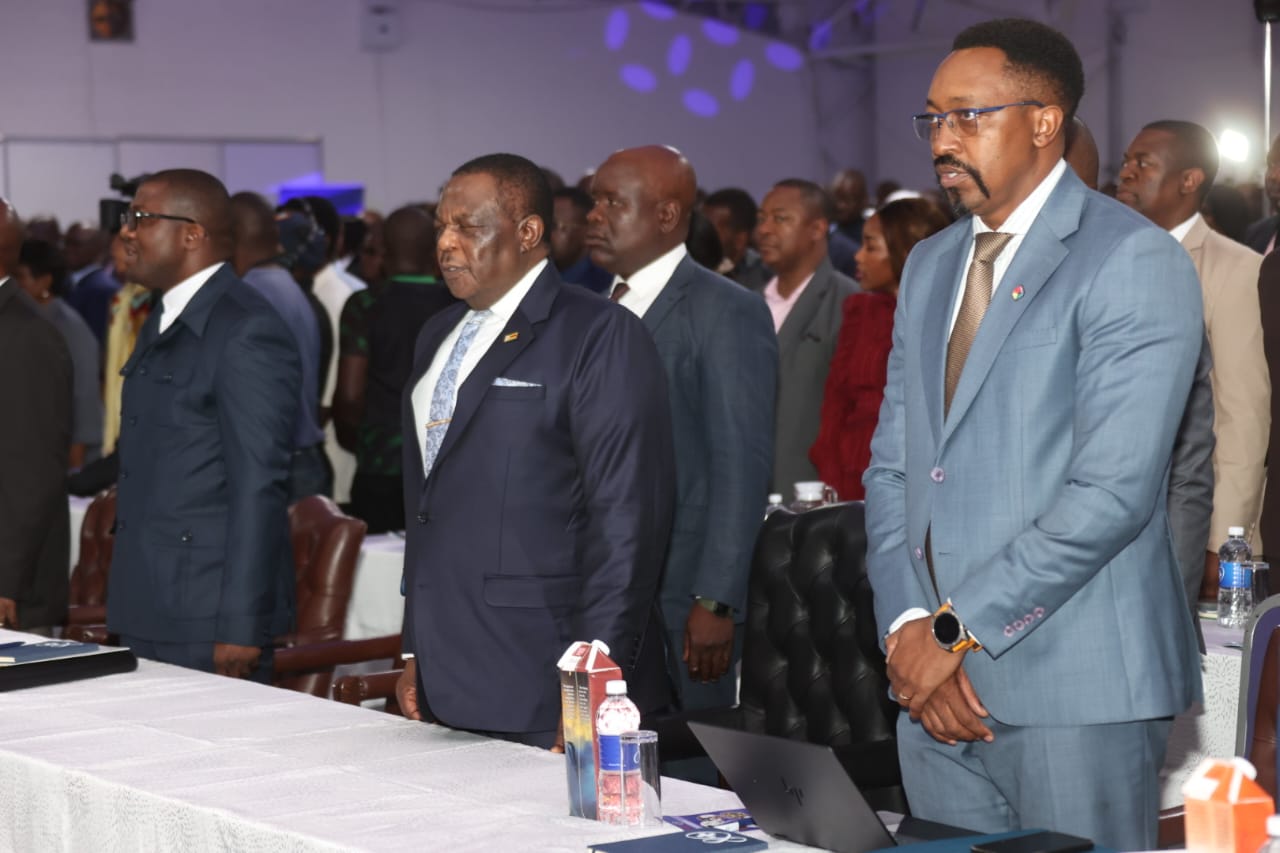
VICE-PRESIDENT Constantino Chiwenga has arrived at the venue of the International Business Conference (IBC) in Bulawayo, setting the stage for high-level deliberations on Zimbabwe’s economic transformation agenda.
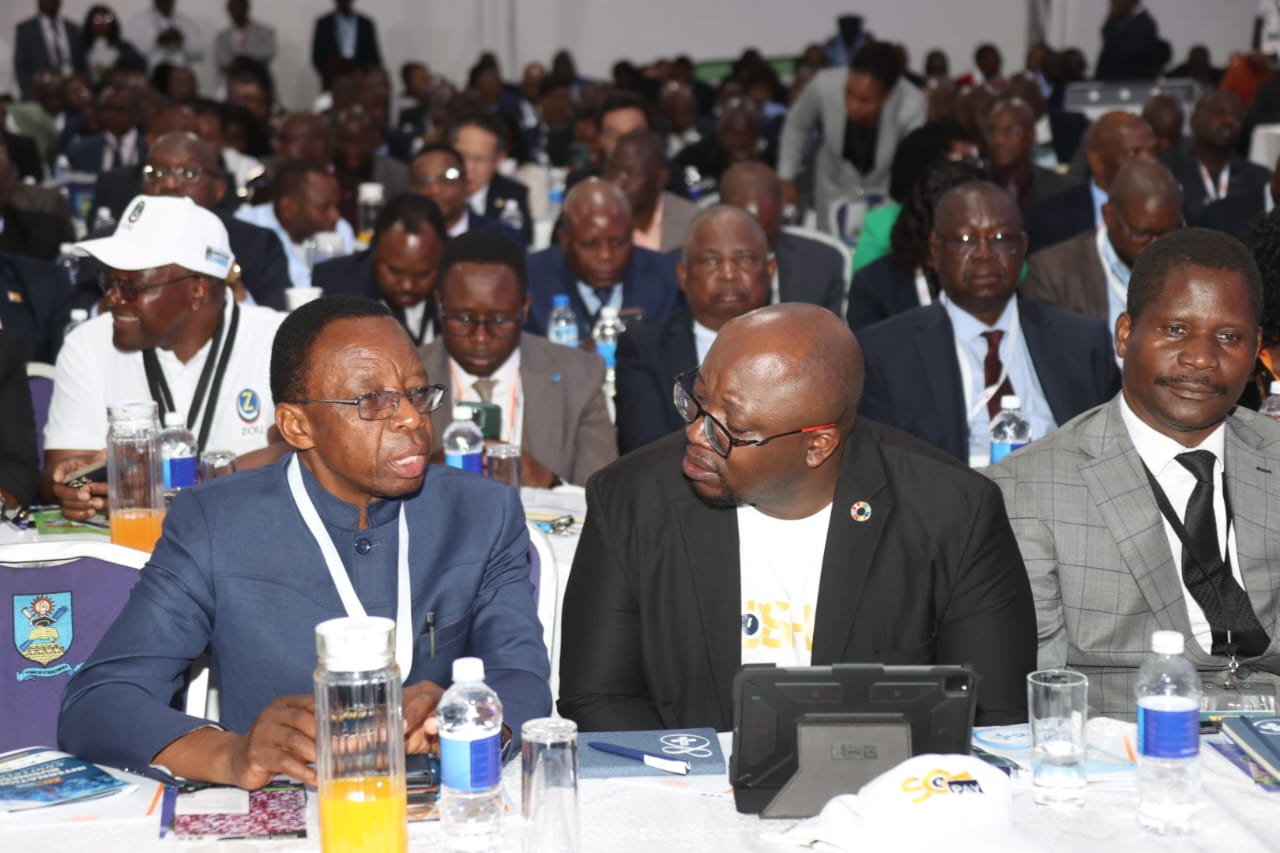
Several Cabinet Ministers, captains of industry, international investors and members of the diplomatic community are in attendance at the flagship Zimbabwe International Trade Fair (ZITF) event.
Running under the topic “Business, Economic and Policy Opportunities in Zimbabwe’s Structural Transformation Ambition and Agenda,” the conference is expected to generate robust discussions on how the country can leverage regional and global value chains to enhance productivity and competitiveness.
Vice-President Chiwenga is expected to deliver the keynote address, which will focus on Government’s reflections on issues raised by industry, as well as priorities for strengthening competitiveness and deepening regional integration.
Minister of State for Provincial Affairs and Devolution for Bulawayo Metropolitan Province, Judith Ncube, is scheduled to deliver the welcome remarks, while ZITF board chairman Dr Busisa Moyo will set the tone for the conference in his opening address.
Old Mutual Group chief executive Mr Sam Matsekete and Cimas chief executive Mr Vulindlela Ndlovu are set to present on business and policy opportunities within Zimbabwe’s structural transformation matrix.
A trade and investment panel discussion will also tackle key issues including bilateral investment priorities, trade facilitation instruments, and development finance and guarantees required to drive the country’s structural transformation.
Bulawayo keen to work with investors for economic development
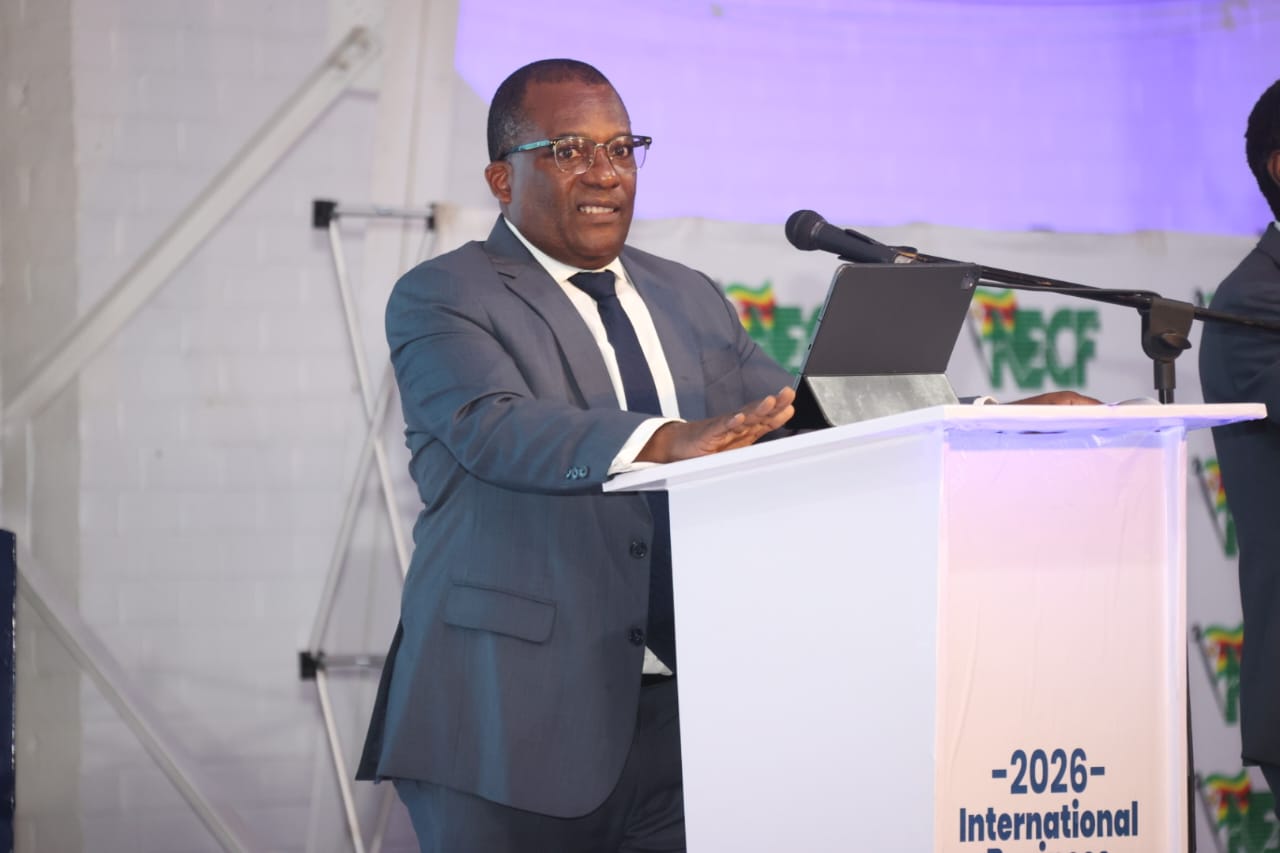
THE Minister of State for Bulawayo Provincial Affairs and Devolution, Judith Ncube has said Bulawayo stands ready to partner and work with investors for investment initiatives and development partners to unlock opportunities that support both national priorities and economic development.
Giving welcome remarks in a speech read on behalf of the Minister by Permanent Secretary Mr Paul Nyoni at the Zimbabwe International Trade Fair (ZITF) 2026 International Business Conference, she said this comes at a time the country is targeting attainment of Vision 2030.
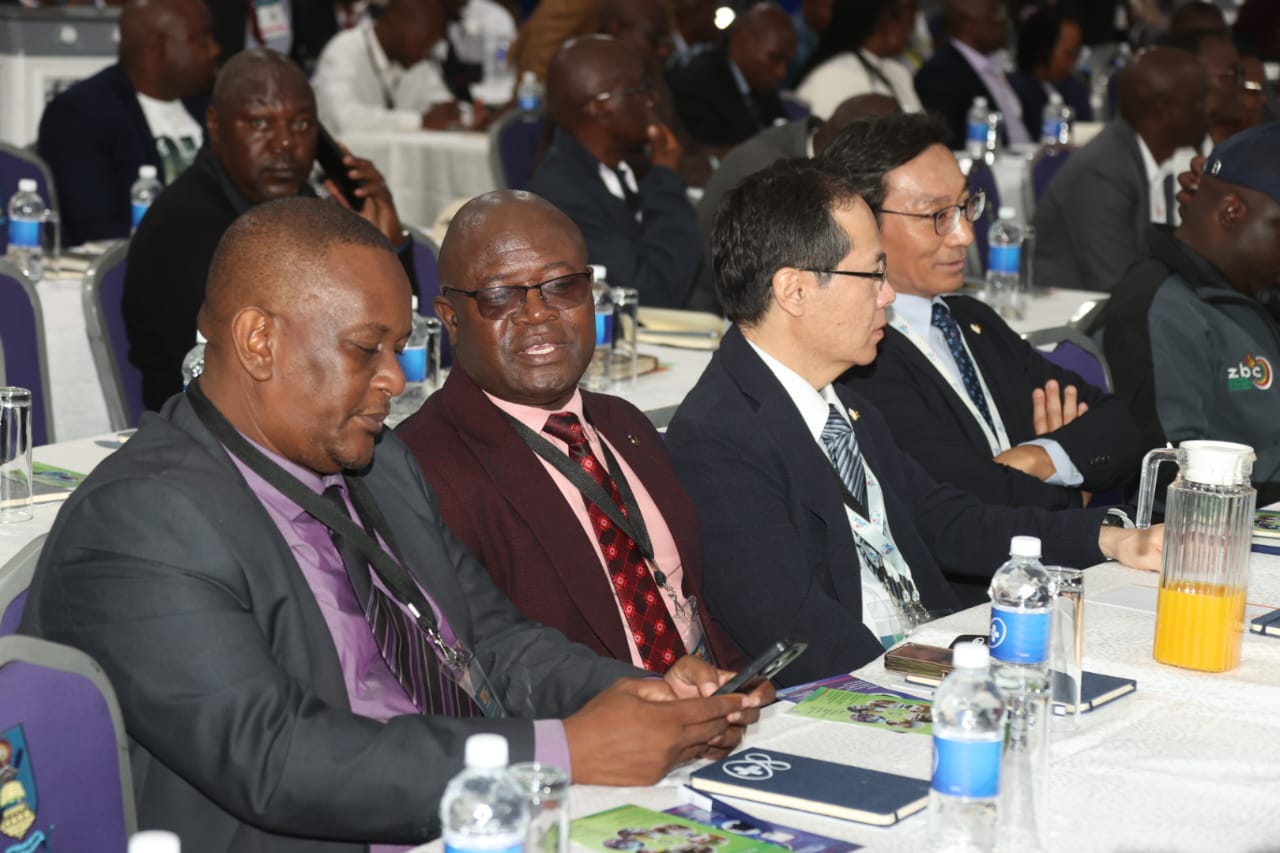
“Zimbabwe is pursuing a clear broader transition to attain an upper-middle-income status by 2030, which is guided by the National Development Strategy 2 (NDS2), which places strong emphasis on industrialisation, development, infrastructure development, investment growth, private sector participation, and devolution as catalysis for inclusive development,” she said.
“The very focus of this conference, that is direct engagement between the highest level of government, the private sector, and other developing partners, is both intentional and strategic. It reflects our firm belief that sustainable economic transformation is best achieved through strong private-public collaboration.”
She said Bulawayo as a province plays a key role we industralisation with significant potential advantage in agriculture and agriculture processing, in logistics and train facilitation, in mining services, and in education, innovation, and skills development.
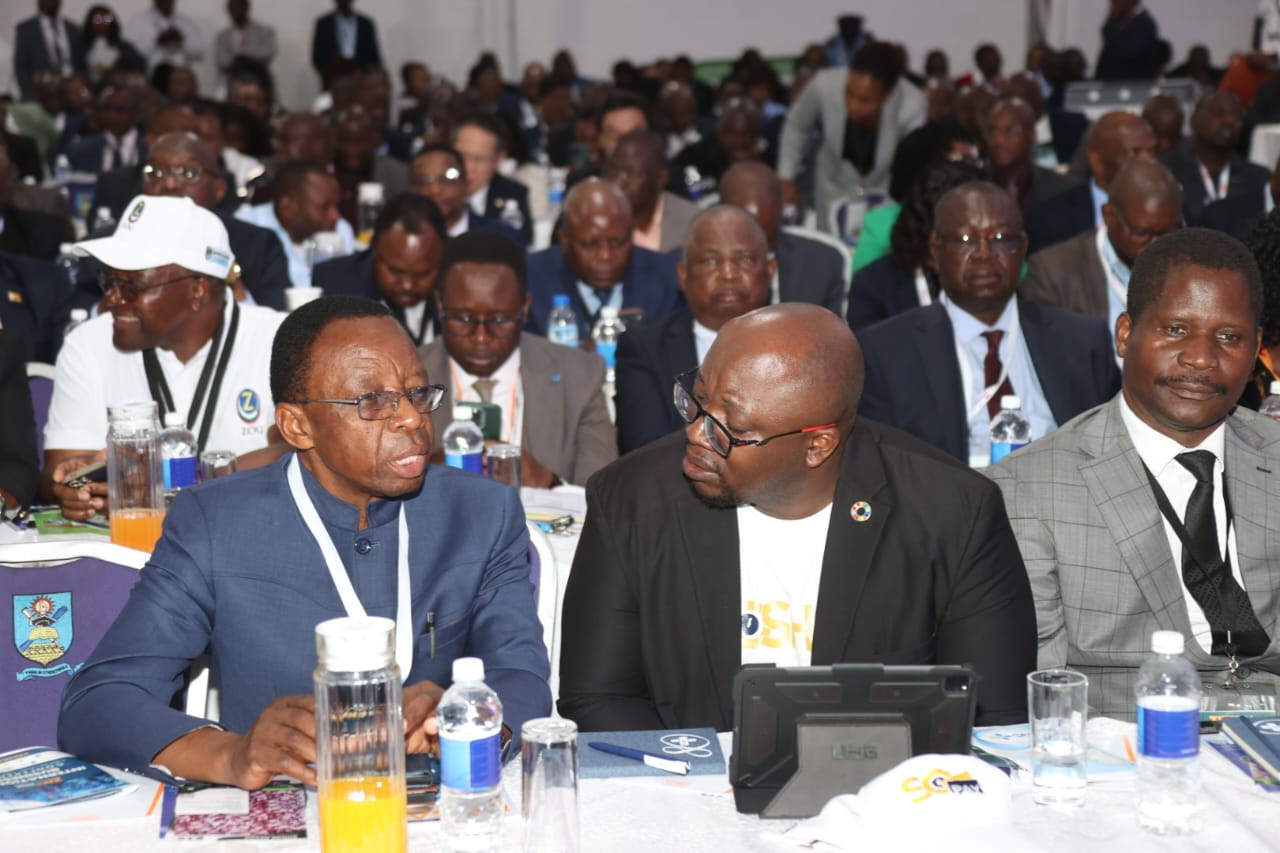
The Minister said through the Government’s devolution agenda, the province has a meaningful position in the standards of investment, production, and net-worth.
“Our province is ready to work with investoes for investment initiatives, and development partners to unlock opportunities that support both national priorities and global economic development. We are particularly honoured by the presence of our international partners, the members of the diplomatic community whose participation underscores Zimbabwe’s improved engagement with the global economy,” she added.
“Your presence sends a clear signal of confidence in Zimbabwe’s potential and reformed trajectory, and we look forward to deeper cooperation in trade, investment, technology, transfer, and skills exchange.”
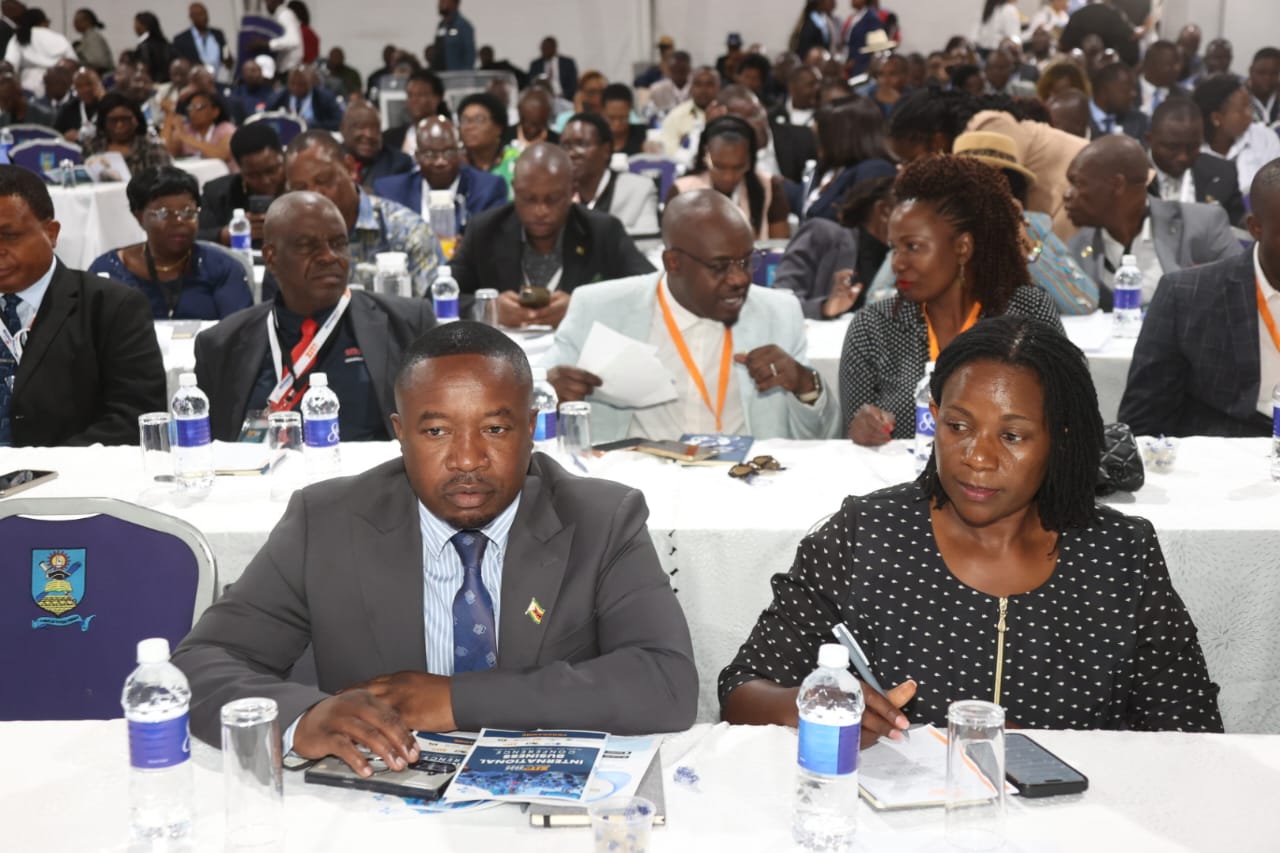
The Ministry said to the private sector, the private sector leaders and capitals, they hear their voice matters.
She said the International Business Conference is platform is designed to open, frame, solutions-oriented dialogue.
“Coming this year, we are not only to listen, but to act in collaboration with you on the issues affecting competitiveness, production, and growth,” she said.
“Our discussions today should enable us to agree on practical policies and regulatory reforms, strengthen value chains in key sectors, enhance cost-efficient and global competitiveness, generate meaningful projects and high-quality industry priorities, and build trust-based long-term partnerships between government and the private sector.”
Health sector key to economic transformation, experts say at IBC 2026
Health has been described as not only a moral imperative but also productive capital essential for economic growth, experts have said.
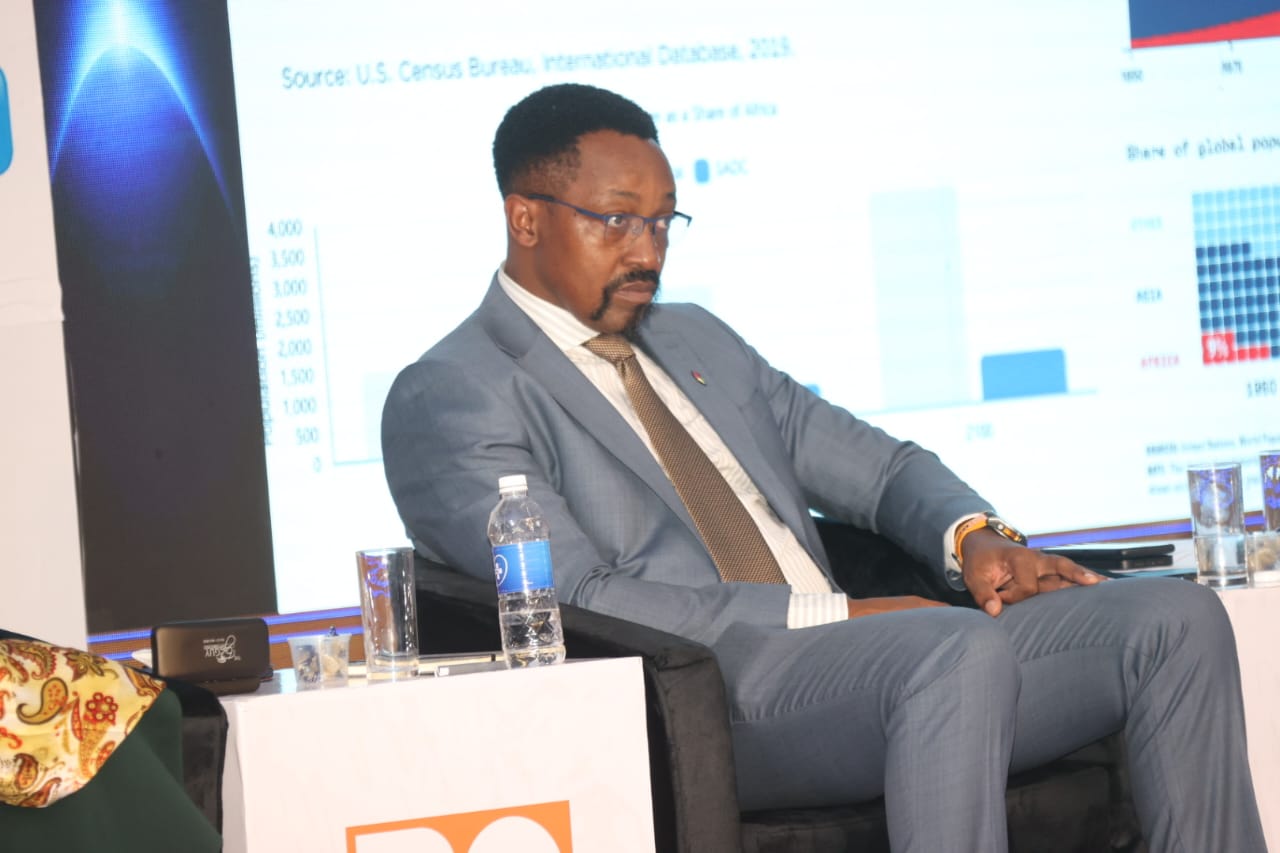
Speaking during a presentation on business and policy opportunities in Zimbabwe’s structural transformation at the International Business Conference 2026 on Wednesday, CIMAS chief executive officer Vulindlela Ndlovu said sectors such as health, tourism, education and agriculture remain foundational to successful national transformation.
He said the health sector is showing signs of improvement, with gains recorded in areas such as maternal and child survival. However, he noted that access and coverage remain uneven, with about 90 percent of the population still uncovered, presenting opportunities for investors.
Mr Ndlovu said these challenges are economic in nature, as an unhealthy population undermines productivity and broader economic performance.
He also commended Government’s introduction of the sugar tax, describing it as a step in the right direction towards improving public health outcomes.
“The objective is to improve access to health care, regardless of class, together with the public sector,” said Mr Ndlovu.
He said expanding insurance coverage would encourage more people to seek care and utilise preventive health services, which in turn reduces catastrophic health spending and creates more predictable revenue flows within the sector.
“This is where prevention and coverage can come in. The old model, where you wait for illness and then you pay heavily at the end because your body is now ill, that is the old model,” he said.
“The smarter model interviews again. Screening, wellness, behaviour change, and strong primary care. And we continue this kind of review.”
Mr Ndlovu recommended increased investment in infrastructure, adoption of modern technologies, strengthened public-private partnerships and skills development to improve the healthcare system.
“A more integrated sector, through aligned infrastructure planning, through harmonised regulation, through skills mobility, through coordinated social development, would materially expand markets,” he said.
“It would reduce duplication and improve returns on public and private investment.”
He added that Zimbabwe’s health sector has made notable progress over the past two decades, including improvements in life expectancy, though further reforms are still needed to sustain and deepen gains.
Manufacturing exports of value-added products increased by 18 percent, records US$80.26 million
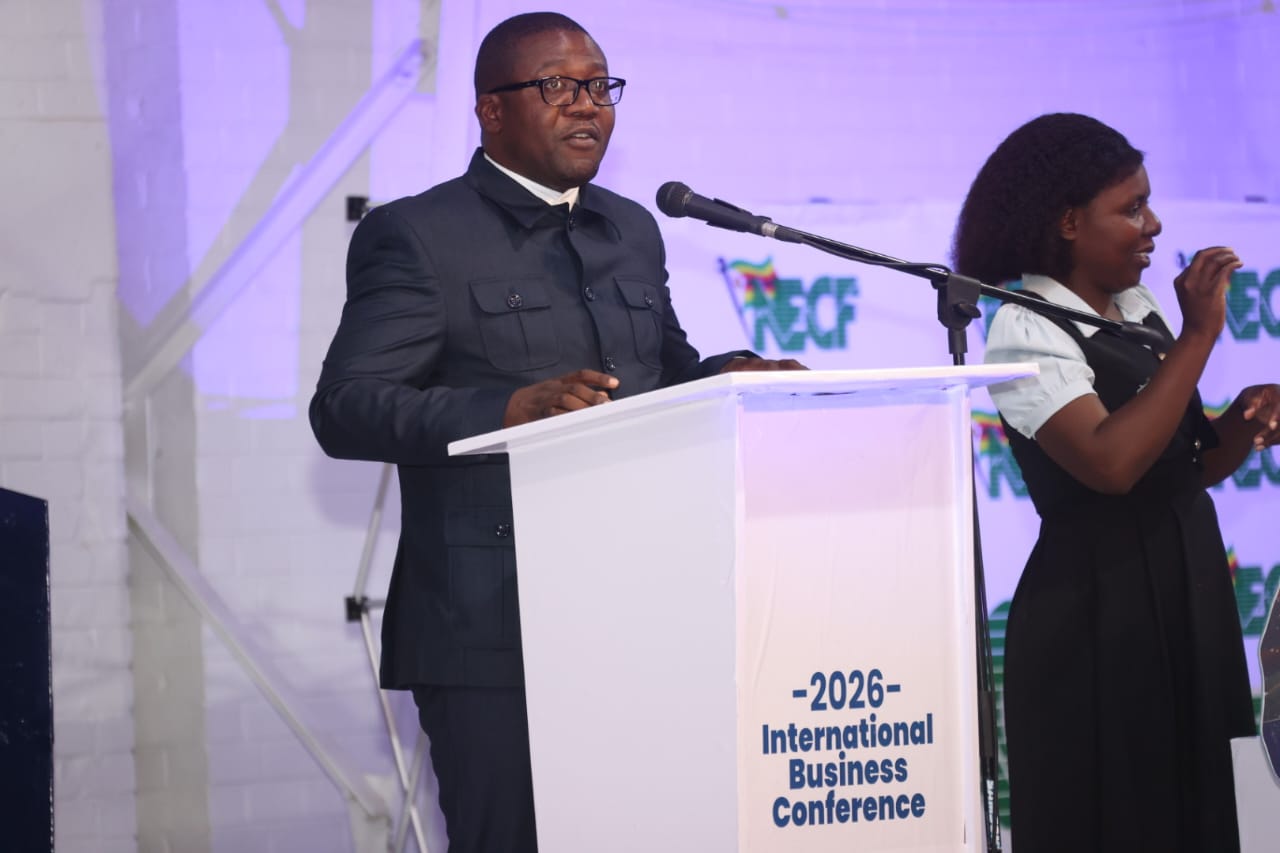
ZIMBABWE’S manufacturing exports of value-added products increased by 18 percent recording $80.26 million and highlighting a successful shift from raw commodity reliance to higher-value processed goods, strengthening industrial capacity and regional competitiveness.
Speaking at the Zimbabwe International Trade Fair (ZITF) 2026 International Business Conference and introducing the Guest of Honour Vice President Chiwenga, Minister of Industry and Commerce Nqobizitha Mangaliso Ndhlovu said the Government contines to push for enhancedpricing stability, strengthened business confidence, and supported demand for locally produced goods.
“In the first three months of 2026, manufacturing exports of value-added products increased by 18 percent, rising from US$69.8 million in January-February 2025 to US$80.26 million during the same period of 2026.
“Exports in iron and steel, built and constructed materials, manufactured tobacco, packaging, ferrochrome, and alloys largely drove this growth. It also suffices to add that the economy has for now managed to sustain broad price stability across most essential goods,” he said.
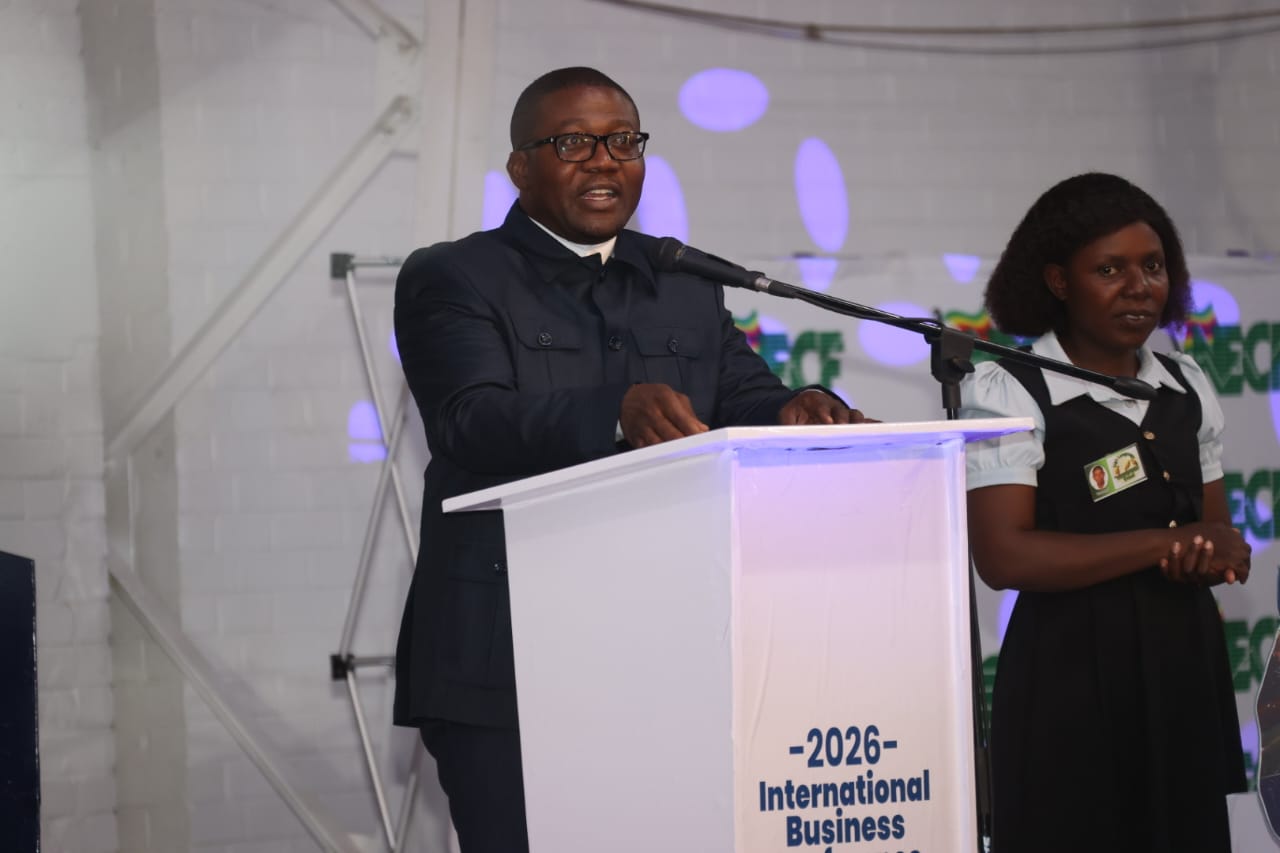
“While I note that fuel and transport costs increased by close to 10.9 percent mainly due to the geopolitical tensions in the Middle East, business has largely absorbed the shocks, as reflected in the continued stability of general prices. Where adjustments have occurred, they have remained modest and contained.”
He said the devolving global dynamics present an opportunity to accelerate industrial transformation, underscoring the dangers of advancing energy service efficiency through renewable energy, biofuels, and alternative energy solutions, while defending the localisation of industrial inputs and strengthening domestic value chains.
Minister Ndhlovu said Zimbabwe’s manufacturing sector maintained a stable recovery and growth trajectory, with an average capacity utilisation estimated at approximately 57 percent across key subsectors, including agro-processing, beverages, and basic consumer goods.
“This performance reflects improved macroeconomic stability, particularly the achievement of single-digit inflation, which has enhanced the price-pricing stability, strengthened business confidence, and supported demand for locally produced goods.”
He said in a bid to innovate and adapt to the dynamics of geopolitically-induced shocks, Government, industry, and academia are challenged to co-create solutions that strengthen competitiveness, entrench innovation, and deepen critical integration.
The Minister said Distinguished the Zimbabwe National Industrial Development Policy II, which was recently approved by Cabinet and soon to be launched, primarily focuses on accelerating agro-processing, driven by strong backward and forward linkages, while the mineral value addition, beneficiation, and industrialisation is equally poised to take center stage.
“This transformation is being championed by our Guest of Honour today. As an industry, we are collaborating closely with the ministries of mines, of agriculture, of energy, and all key ministries in the economic landscape to drive economic growth and create sustainable jobs.
“Zimbabwe stands at a pivotal moment. The foundation for growth has been laid. Fair and robust policies are in place, and opportunities are abundant. This is the opportune time to forge partnerships, to invest in industry, and to build a competitive and collective economy,” he added.
He said the International Business Conference remains a critical platform to ignite policy into practice, shaping a brighter future together.