Online Reporter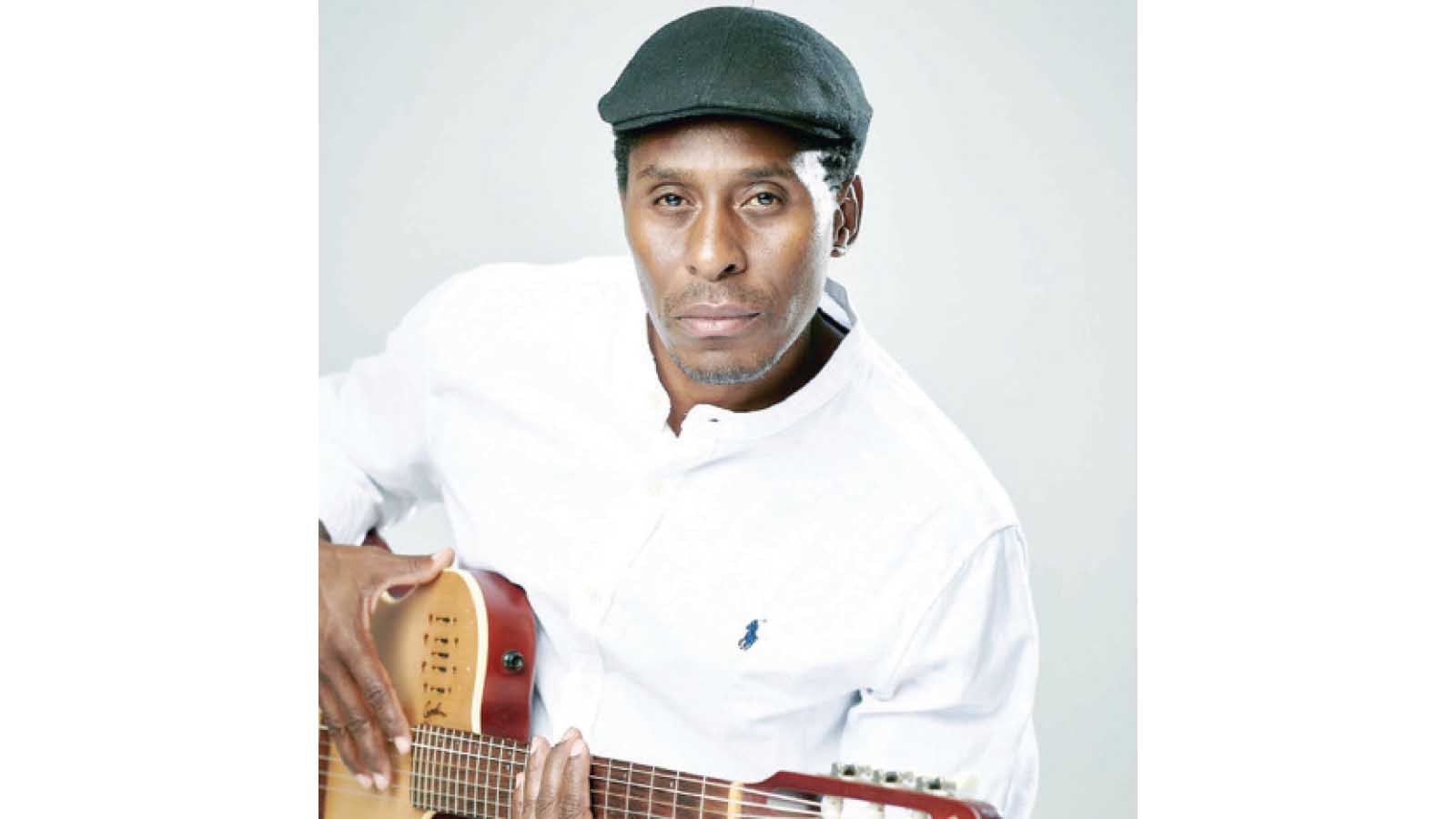
Prince Mushawevato
TO the many music aficionados who follow him, the name Victor Kunonga carries different connotations.
Some circles regard him as a traditional Afro-fusion artiste, while others prefer to classify him as a pure jazz crooner.
Regardless of the label, those who have followed the singer’s journey since his 2004 debut, “Such is Life”, recognise that he is a formidable musical force who is yet to receive the widespread recognition he deserves.
His debut album made a bold declaration of his artistic intentions.
With runaway hits like “Ndanyengetedzwa” and “Mayidarirei”, the project established him as one of the country’s most promising talents, earning both critical acclaim and significant chart success.
His follow-up project, “Uyo” (2006), elevated his reputation even further, silencing any sceptics and confirming that his initial success was no fluke.
That same year, the project earned him the Best Traditional Contemporary Group/Artiste accolade at the Zimbabwe Music Awards.
Drawing inspiration from legends such as the late Dr Oliver “Tuku” Mtukudzi, Dr Thomas Mapfumo and Louis Mhlanga, the budding musician demonstrated a relentless pursuit of perfection.
By the time he released his third project, “Handinete”, his craft exuded a level of maturity that is rare in the music industry.
During this period, many fans viewed him as a natural successor to the mantle of Tuku.
However, since the passing away of Dr Mtukudzi, Kunonga has maintained a relatively low profile.
While he continues to host performances in and around Harare, his public presence has not reached the heights many once anticipated.
Reflecting on this, Kunonga shared his view.
“There is a whole generation that is yet to experience our music.
“This is largely due to a lack of consistent visibility, compounded by the closure of several venues that historically supported our work,” he said.
He remains optimistic about the future, adding: “When you look at how we have started curating shows outside traditional venues, you see that the interest from the younger generation has grown tremendously.
“It has become a matter of how frequently we present ourselves to the audience — not necessarily just the younger demographic, but a broader audience, perhaps even those who attend alongside their parents or guardians.”
Despite these challenges, the “Handinete” singer expressed gratitude toward the promoters and venues actively revitalising his craft.
He specifically highlighted an upcoming July 3 concert, titled “Mhofu Dzichifara Mudanga”, as a pivotal event designed to expose their music to a diverse audience — a critical step in brand expansion.
The concert, themed “A night where totems unite through music, culture and heritage”, will take place at the 7 Arts Theatre in Harare.
The line-up features notable artistes such as Alexio Kawara and Selmor Mtukudzi, with guest performances by Zimdancehall chanter Dhadza D and neo-soul singer Tariro neGitare.
Kunonga notes that a disconnect has formed between his music and the younger generation due to shifts in media and the closure of traditional live-music venues.
He draws a direct parallel to Mtukudzi, whose music transcended age groups because “it was consistently and intentionally broadcast” to the public.
“When Tuku was in his 50s, his audience ranged from 25 to 70 years old,” Kunonga observes.
“The younger generation made up the numbers at his gigs because they were exposed to the music through radio, which was intentionally and repeatedly broadcasting his work to them.”
He feels that his career trajectory was hindered by being pigeonholed into the “jazz” category.
This label, he argues, often excluded him from mainstream events where he could have reached broader demographics.
“Venues are there but they are few and, I guess, we are yet to explore other alternatives with our type of music. We mainly use elite venues that do not attract audiences from diverse backgrounds,” he said.
The singer believes the label of “jazz artiste” discouraged promoters from booking him on line-ups with sungura or contemporary artistes, even though his band incorporates mbira and contemporary styles.
He pointed to the rise of contemporary artistes like Feli Nandi, whose brand has grown rapidly through high-exposure events like Doek and Slay.
Kunonga emphasises that an artiste’s growth relies on promoters intentionally placing them in front of diverse crowds.
Reflecting on his past, he notes that he rarely had the opportunity to support major acts, which limited his ability to convert larger, established fanbases into his own.
The “Mhofu Dzichifara” concert, he believes, represents a conscious effort to break these cycles.
By blending his traditional-contemporary style with dancehall and pop elements, he said, the promoter of the gig is actively curating an environment that welcomes a fresh, broader audience.
Kunonga remains optimistic that by stepping out of “jazz-only” spaces and into more versatile venues, he can bridge the gap and reconnect with the wider Zimbabwean public.
“I rarely had the opportunity to support big artistes or participate in certain events because people tended to pigeonhole me, concluding that because I was a ‘jazz artiste’, I did not belong on other stages,” he said.
“In a sense, the label ‘jazz’ ruined my chances of reaching a much larger audience. Even now, there are those who feel that I do not belong on a sungura, contemporary, or mbira stage simply because they do not understand the music I play. They do not realise that I have mbira in my band and that I perform contemporary music.”
Looking ahead, Kunonga is finalising his seventh studio album, which is slated for release later this month.
Featuring at least 10 tracks — including “Why”, “Tarangarirwa” and “Hope” — the project represents a fresh chapter in his discography.
“I have a wealth of new material. These are not old songs being heard for the first time; these are brand-new productions. My hope is that by July 3, radio stations will have begun introducing these tracks to the public,” he said.
Beyond his own creative output, the artiste has committed himself to mentoring and supporting emerging artistes, aiming to foster the kind of industry continuity he feels was lacking during his own development.
Josh Hozheri, founder and director of 105 Promotions, acknowledges the need for a redefined marketing strategy for Afro-jazz and traditional-fusion artistes.
Having worked closely with Kunonga since his debut at the iconic Jazz 105, Hozheri is keenly aware of the structural challenges facing the genre.
“I have been with Victor since his first album.
“He was a staple of the Winter Jazz Festival for four consecutive years and a regular at our various off-site events,” Hozheri noted.
“However, the closure of vital hubs like Jazz 105, Mannenberg and the Book Café left this style of music without a home, leading to a natural decline in live attendance.”
Hozheri remains steadfast in his support for the genre, noting that despite the current dominance of sungura and Zimdancehall in the mainstream, there is a resilient and significant demand for Afro-fusion music.
“I recognise that many promoters are biased towards mass-market genres, but my mission is to keep this music alive,” he said.
“By placing Victor on the ‘Mhofu Dzichifara Mudanga’ line-up, we are purposefully mixing styles to attract a more diverse audience.
“This is just the beginning; we plan to unveil several more initiatives of this nature in the coming months.”