

 admin
admin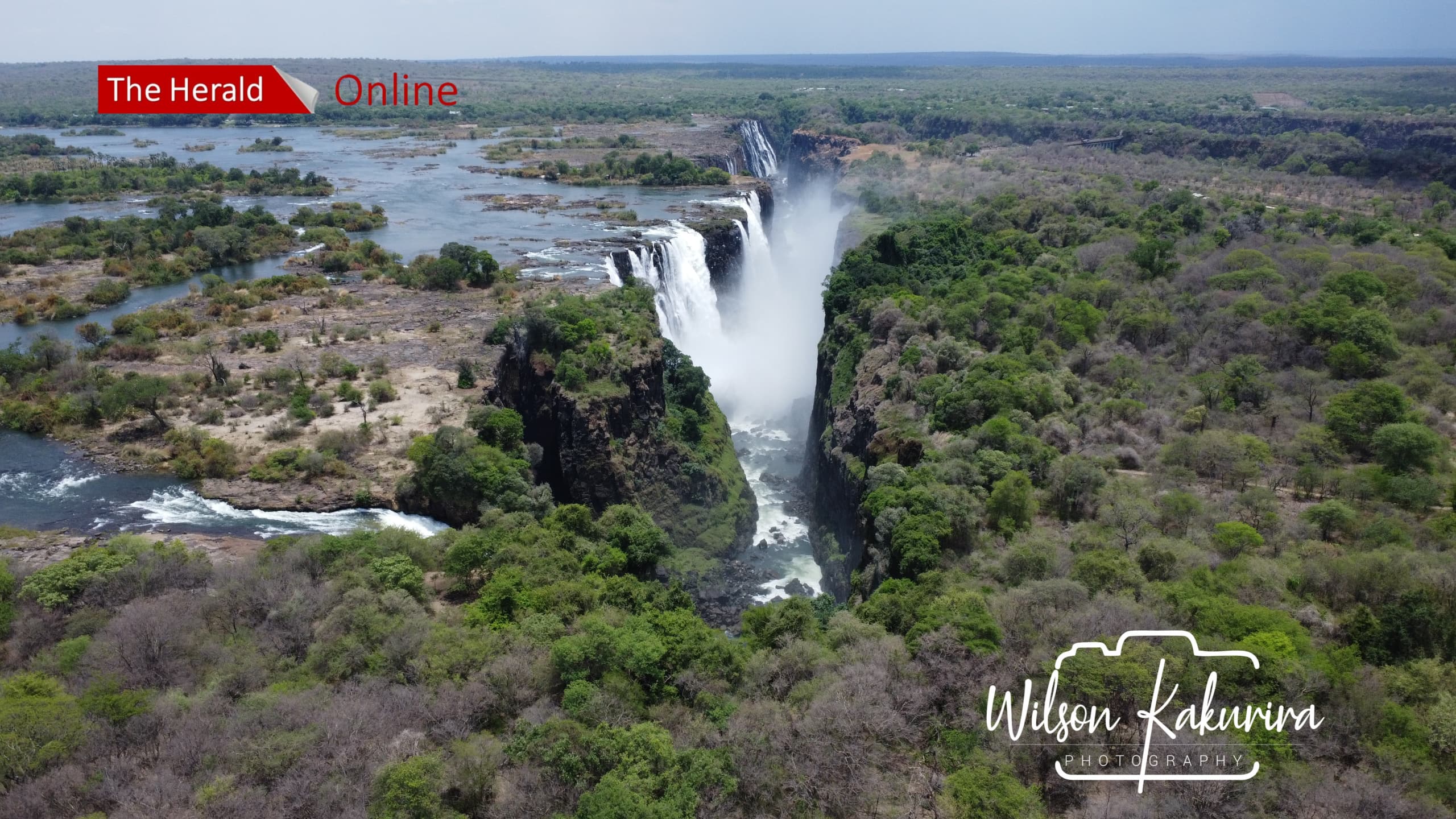
Wilson Kakurira
Climate change has significantly impacted various sectors worldwide, altering the way people perform their daily duties. Key areas affected include agriculture, energy, and tourism.

In Zimbabwe, the energy sector has been severely impacted, with reduced water levels in Lake Kariba, a primary source of energy.
The majestic Victoria Falls, one of Zimbabwe’s most iconic natural wonders, has also felt the effects of climate change. Declining water levels in the Zambezi River have reduced the falls spectacle on the Zimbabwean side, affecting tourism and the local economy.

The Zambezi River’s epic journey spans three phases and six countries – Zambia, Angola, Namibia, Botswana, Zimbabwe, and Mozambique. As a lifeline for regional socio-economic development, the Zambezi fuels industries like agriculture, fisheries, tourism, and hydroelectric power, driving economic growth.

Its natural wonders, including Victoria Falls and Lake Kariba, attract global tourists, boosting local economies. Hydroelectric power stations, such as those at Victoria Falls and Kariba, provide reliable energy.

However, climate change threatens the Zambezi’s very existence. Severe droughts, driven by rising temperatures, have impacted iconic tourist destinations, affecting livelihoods. Increasing droughts and floods jeopardize hydroelectric power generation, threatening energy security and local economic well-being.



 Online Reporter