Chronicle Editor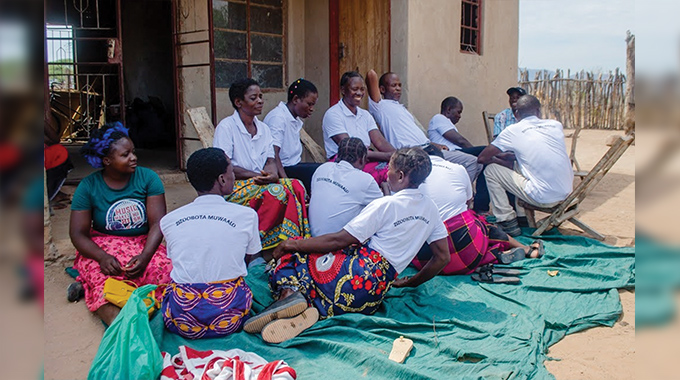
Mkhululi Ncube, [email protected]
Over 13 000 villagers, predominantly women, across five districts in Matabeleland North Province raised an impressive US$1 million last year through the Village Savings and Loans programme facilitated by the Amalima Loko Programme.
The districts include Tsholotsho, Hwange, Binga, Nkayi, and Lupane, where villagers received training from Amalima Loko with funding from Usaid
The Village Savings and Loans initiative falls under the Agriculture and Livelihoods thematic area, one of the four programmes transforming the region. Alongside this, other thematic areas such as Community Visioning Process, Watershed Management, and Health and Nutrition have equipped thousands of villagers with essential knowledge and skills, empowering them to improve their lives.
Last Wednesday, during the Amalima Day celebration at Tsheli village in Nkayi District, participants from Amalima Loko showcased and celebrated their achievements. The event also served as a fundraiser for Tsheli Clinic, which the villagers initiated after training in the Community Visioning Project. Although the clinic is currently at slab level, it aims to offer various services, including maternity care, once completed.
Amalima Loko Deputy Chief of Party, Mr Nqobile Ncube, underlined that this remarkable milestone was achieved by the villagers themselves, without any external capital injection. Their collective efforts demonstrate the power of community-driven initiatives in creating positive change.
“We do not give them money but provide training to them to run the savings clubs. We have nine modules in which they are trained and have volunteers who work with the groups to make sure they are following what they have been taught. There are few men in the groups as most men shun them because they say the monies involved are too small.
“We get records of how much they save and last year they clocked US$1 million. It is their money so they decide what to do with it at the end of the year. The culture of saving is implanted in them so that they know how to save their money,” he said.
Mr Ncube explained that at the end of the year, the clubs distribute the money among themselves and use it to empower their members. Additionally, some clubs choose not to deplete their savings but instead invest in ongoing projects to generate additional funds.
“They lend people and members for a nominal interest. One time in Tsholotsho, there was a group, which had almost $750 000 and they did not want to share it. Those who want to use it, buy household goods, groceries and livestock among others. We have trained people who move around training them in various aspects. They are well managed compared to ordinary clubs done by people in urban areas, mostly due to the training we give them,” he said.
Mr Ncube reported that there are 2 240 village savings and lending groups operating across the five districts, with 13 388 individuals participating in these groups. He said the programme has been instrumental in empowering women and giving them a voice in household affairs.
“This gives women social belonging because they gather once a week where they contribute money. They also discuss various issues they face, which creates social cohesion in the community. They are also trained in entrepreneurship, where they are taught how to approach business.
“Our trainings have a gender component to it as well. When women can bring something to the table at home, it assists them to be involved in decision making. A good number have bought various asserts, which they would not have had access to,” he said.
Amalima Loko Food Security Technical Coordinator responsible for programmes, Mr Nicholas Nyathi, said the day was meant for the community to celebrate what they have achieved.
“This day is meant to bring the communities to celebrate the achievements in all the areas we are involved in. This day is special because it gives them the motivation for what they have done and also relate with various stakeholders including the private sector, government and local leadership.
“They are celebrating conservation works and grazing land management activities they have done, like removing evasive species over thousands of hectares,” he said.
Ms Matilda Mlotshwa, the District Development Coordinator for Nkayi District, commended Amalima Loko for their diverse programmes, particularly their efforts in addressing water scarcity. Given that Nkayi is a dry district with a very high water table, these initiatives play a crucial role in improving water access and management.
“They have drilled and rehabilitated a very good number of boreholes and solarised some of them. This is very good because Nkayi is a very dry district. My appeal is to you to be a good steward of these projects so that they save us for a long time.
“We are happy as a Government to work with such developmental partners who involve the communities in every step of what they are doing. They are not dishing out money but giving you the knowledge, which will help you even when they are gone,” she said. —@themkhust



 Online Reporter