Online Reporter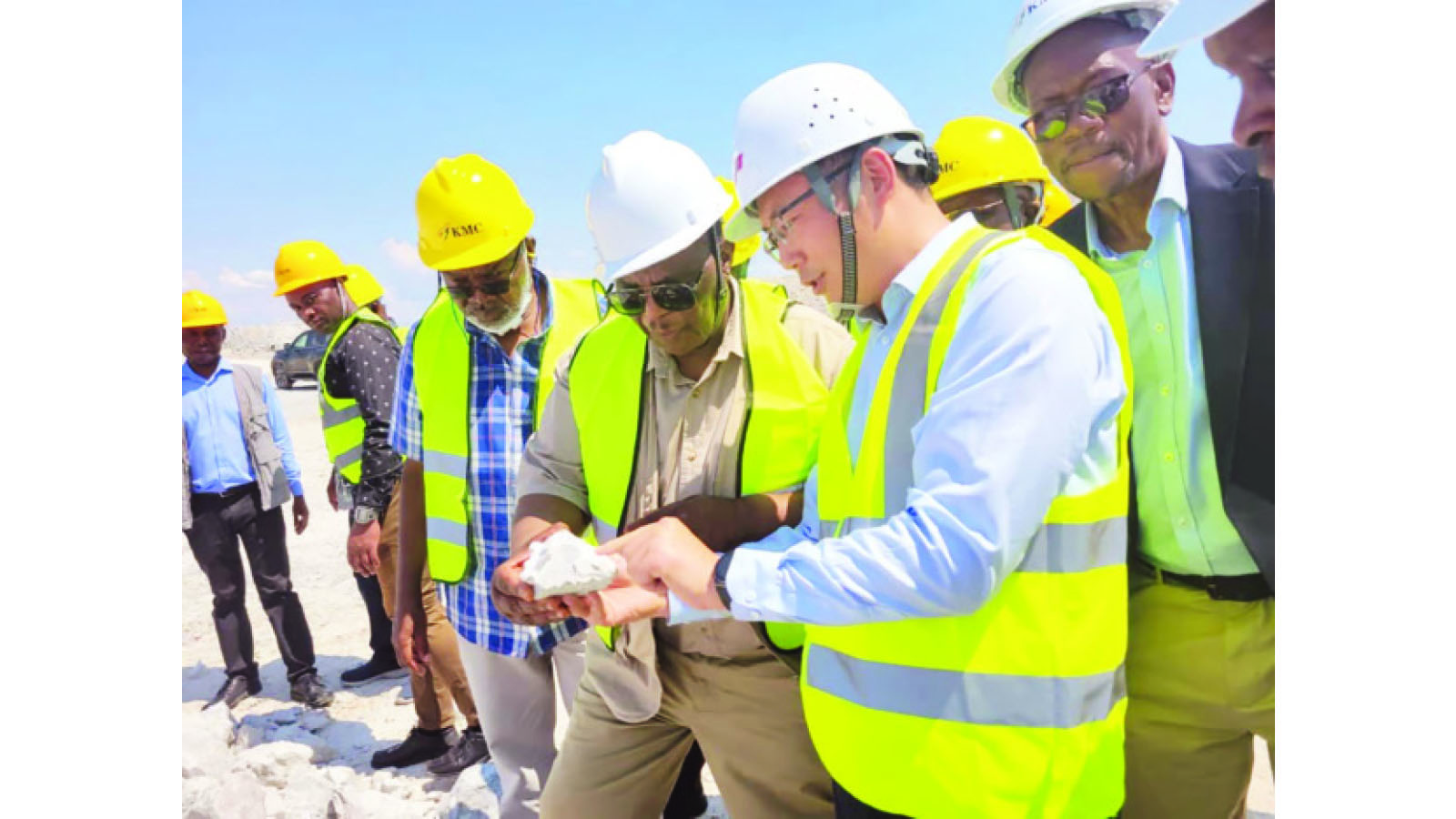
Mukudzei Chingwere in Binga
VICE PRESIDENT Dr Constantino Chiwenga expressed disappointment yesterday after witnessing what he called a waste of Government resources at the Bhulaayo Kraal in Binga.
The project, part of the Government’s initiative for sustainable community development and financial inclusivity, has received significant funding aimed at cultivating 15 000 hectares of land to transform the lives of its beneficiaries.
However, upon inspection, VP Chiwenga found that those running the project were only targeting 400 hectares and had failed to activate essential machinery, such as centre pivots. In addition, much of the Government-provided equipment has either been vandalised or stolen.
During his visit yesterday, the Vice President encountered a small patch of cultivated land that appeared to be an attempt to deceive him regarding the project’s progress.
Being a farmer himself, he quickly recognised that the cultivation had occurred shortly before his visit, following the confirmation of his tour.
Related story:
LIVE: Vice President Chiwenga tours key economic projects in Matabeleland North
“The condition of agricultural equipment here is a concern; the centre pivot irrigation systems, brought to the scheme over five years ago, have never been utilised and are now susceptible to vandalism,” said VP Chiwenga.
“It is troubling to see such valuable resources going to waste while local communities are not reaping the benefits.”
VP Chiwenga noted that the project presently benefits about 250 people, but emphasised that this is far from the intended outcome. The project is intended to benefit everyone in the community and beyond.
“Let us make use of these resources to leave a lasting inheritance for future generations—our children and grandchildren.”
The VP highlighted the importance of the Bhulaayo Kraal project, along with others such as the Makorokoro Nutrition Garden in Matabeleland South, which he visited about ten days ago and found thriving. All these projects are a vital part of the Government’s agricultural food systems and rural transformation strategy.
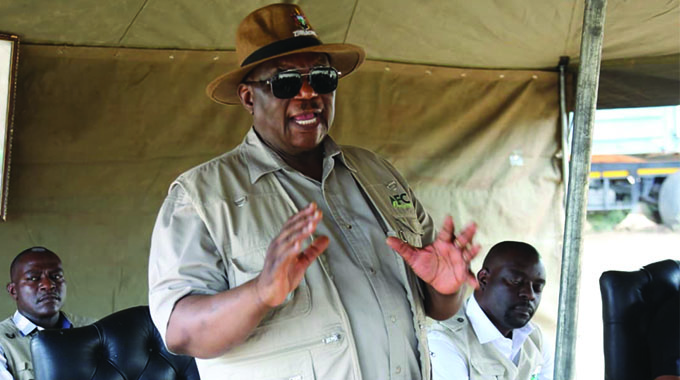
VP Chiwenga noted that the project presently benefits about 250 people, but emphasised that this is far from the intended outcome. The project is intended to benefit everyone in the community and beyond.
Further compounding the issue, VP Chiwenga found a sizeable amount of fertiliser left idle, now decomposing and rotting in the elements. He said this was not just a waste of material but also a squandered opportunity for local farmers who desperately need these resources to improve their livelihoods.
The VP also observed water pipes procured to pump water from the Zambezi River lying unused and damaged by years of neglect, while fencing wire meant to protect the fields had been vandalised.
In light of these findings, VP Chiwenga called for a united effort among stakeholders—communities, Government agencies, and traditional leaders—to take ownership of the project. He urged them not only to maintain the existing infrastructure but to actively engage in using it to enhance local livelihoods and bolster food security.
VP Chiwenga made another stop at the revitalised Kamativi Lithium Mine, where he acknowledged the impact of fluctuating global market prices for lithium concentrate. He said such prices affect cash flows, hence the need to prioritise local value addition and beneficiation of all mineral resources.
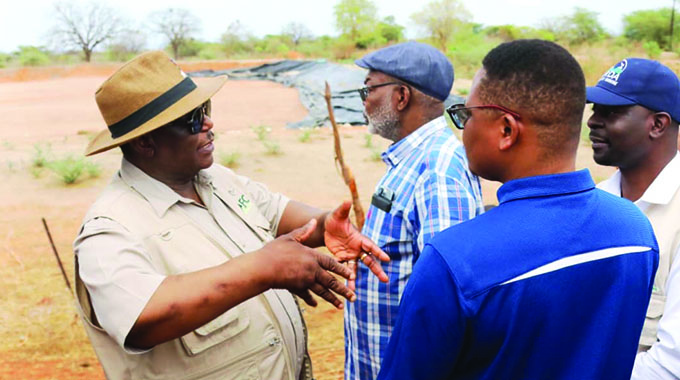
The VP also observed water pipes procured to pump water from the Zambezi River lying unused and damaged by years of neglect, while fencing wire meant to protect the fields had been vandalised.
The mine, which was commissioned by President Mnangagwa in 2023, has transitioned from being a major tin producer to a significant player in the lithium sector, positively impacting local employment and community development.
“As we all know, we are living in an era where lithium has become one of the most sought-after minerals in the world,” said VP Chiwenga. “Its significance cannot be overstated. Lithium is essential for the production of batteries that power everything from smartphones to electric vehicles.
“As countries strive for green energy solutions, the demand for lithium will only increase,” he said. Kamativi Mine is positioned at the forefront of a global shift towards sustainability, allowing Zimbabwe to contribute meaningfully to the fight against climate change while establishing itself as a key player in the global lithium market.