Chronicle Editor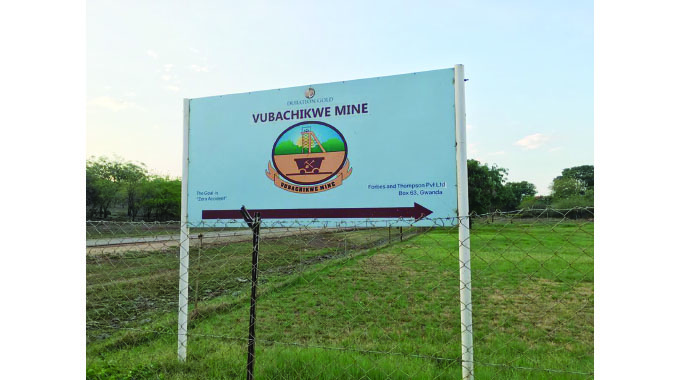
THE gears are now in motion for the implementation and rollout of the Vubachikwe Mine resource building exercise, as the Gwanda gold mine takes crucial steps towards harmonising management and employee relations. This endeavour holds the key to the success of the exercise.
Following the closure of the mine due to deteriorating relations between workers and management, which escalated into anarchy during an illegal strike prohibited by the Zimbabwe Republic Police, international experts were enlisted to assess the mine’s state and provide recommendations for necessary changes before any plans to restart operations could proceed.
The consultants discovered gross incompetence and shortsightedness on the part of the previous management, who have since been relieved of their duties. Their incompetence had driven the operation into a corner, making the six-month reserve building exercise essential to ensure the mine’s long-term viability, sustainability, and profitability.
However, for this exercise to succeed, it requires the support and co-operation of the workers. Hence, there has been a new-found common understanding between the workers, their representatives, and the management.
Mine Manager None Kananji stated: “We have taken deliberate and tentative steps toward negotiating a comprehensive plan that benefits both management and the workers. The next stage will involve sitting down with legitimate worker representatives and relevant management to finalise the document and initiate the process.”
“We had hoped to expedite these negotiations earlier this year, but several barriers arose, particularly issues surrounding the legitimacy of worker representatives. Consequently, we had to wait for certain processes to be completed, which took time,” he added.
“Nonetheless, I am pleased to report that the path now seems clear for intelligent and progressive thinking that serves the interests of workers and the mine to take centre stage, rather than individual interests,” he concluded.
Thus, the stage is now set for the establishment of a legitimate worker representative body, which will commence working in the best interests of the mine workers and the operation as a whole.
“I am thrilled that many issues have been resolved, and we anticipate a return to activity on the mine in the third or fourth quarter of the year. This will allow us to focus on our core business as miners and make significant contributions to the nation’s prosperity,” Kananji expressed.
Speaking about worker relations, mine spokesperson Robert Mukondiwa emphasised the improved state of relations between management and workers.
“It is evident that the current worker-management relations are at their highest point this year, following a period of strained relations. Although there is room for improvement, the tension and animosity have become things of the past. Workers are now convinced that management had no malicious intent, but rather aimed to ensure that those in positions of power did not sabotage efforts to keep the mine operational and to weed out any malicious anarchists within the system.”
Mukondiwa continued, “Moving forward, management and workers will actively engage in roundtable discussions to reach an agreement on the comprehensive plan.
“This inclusive meeting, scheduled to take place in the coming weeks, will involve all stakeholders. We are confident that the worker representatives are driven by selfless intentions to serve their constituents’ interests and ensure a return to optimal operations, without holding the mine hostage to the detriment of the workers.
“Many workers simply want to move forward and leave behind the unfortunate events of last November.”
“The worker ranks now consist of genuine trade unionists who have no hidden agendas, while the management has demonstrated its ability to prioritise common interests. Together, we aim to restore production and contribute to the nation’s welfare,” Mukondiwa concluded.


 Online Reporter