Langalakhe Mabena, Sunday Life Reporter
CULTURAL activist Prince “Dr Gasolo” Ncube is preparing to hit the road again, this time with a mission that goes beyond physical endurance, as he tries to keep Zimbabwe’s indigenous languages alive for generations to come.
The activist is set to embark on a 400km journey from Bulawayo to Hwange in February next year, using the walk to raise awareness about the plight of minority languages and the urgent need to preserve the country’s rich linguistic heritage.
For Dr Gasolo, the journey which is dubbed The Long Walk for Language, is more than covering kilometres. It is a call to action against the gradual erosion of languages that carry the memories, traditions and identities of communities whose voices risk being lost in the changing cultural landscape.
He is particularly concerned about Nambya, Tonga, Dombe, Nyanja, Bemba and Zimbabwean Sign Language, arguing that these languages deserve greater visibility in education, the media, cultural programming and everyday communication.
While Zimbabwe recognises 16 official languages under the Constitution, Dr Gasolo believes that official recognition alone is not enough to guarantee their survival.
The real challenge, he said, lies in ensuring that younger generations continue to speak their mother tongues at home, in schools and within their communities, rather than allowing dominant languages to push them to the margins.
“Language is more than a means of communication; it carries our history, identity, values and knowledge. When a language disappears, we lose more than words. We lose the stories of our ancestors, the wisdom of our elders and a unique way of understanding the world.
“This walk is a call to action. We cannot continue watching our indigenous languages fade while assuming that someone else will preserve them. Every family, school, community leader and cultural institution has a responsibility to ensure that our children inherit the languages that define their heritage,” said Dr Gasolo.
The cultural activist noted that the dominance of English, Ndebele and Shona in formal education, the media and public communication had contributed to some children growing up with limited proficiency in their mother tongues.
He warned that without deliberate efforts to make minority languages part of everyday life, some communities could face the painful prospect of losing an essential part of their identity within a generation.
Dr Gasolo, the solution begins with changing attitudes towards indigenous languages, particularly among young people who may associate speaking their mother tongues with being less educated or out of touch with modern life.
“We must make our languages relevant to young people. They should not feel that speaking their mother tongue makes them less educated or less modern. A child must be able to speak their indigenous language with pride while pursuing education, technology and other opportunities in the modern world.
“Our languages must be heard in classrooms, on radio, on digital platforms and at cultural gatherings. Preserving them should not be reduced to remembering a few traditional songs during festivals. It must become part of our daily lives,” said Dr Gasolo.
The approximately 400km journey will begin in Bulawayo, with the walkers expected to pass through Tyce Hurst Police Base, Insuza Police Base, Phulula, Lupane Centre, Fatima, Gwai, Dete and Hwange Centre before reaching Kaya Riverside Lodge.
Along the way, community engagements are planned at key stopovers, particularly in Lupane and Hwange, where residents will discuss language rights, cultural identity and the importance of passing indigenous knowledge from one generation to the next.
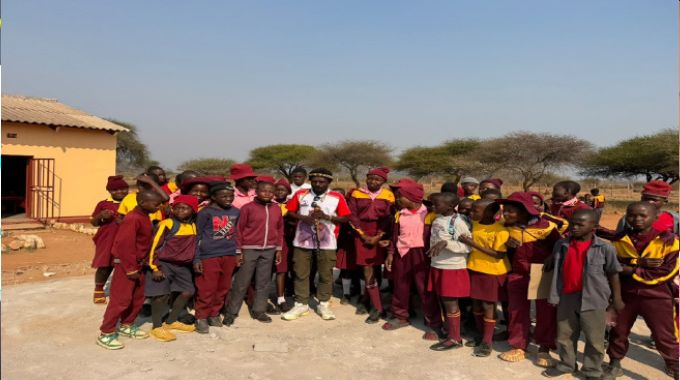
Dr Gasolo said the physical demands of the journey would mirror the determination needed to safeguard Zimbabwe’s linguistic heritage, emphasising that preserving a language required sustained commitment rather than occasional celebrations.
“Every kilometre we cover will represent the distance we must go as a nation to ensure that no community is left behind in the preservation of its identity. We are walking so that the voices of these communities can be heard beyond their villages and find space in the national conversation.
“We want this initiative to remind Zimbabweans that linguistic diversity is a national asset, not a weakness. Our differences should unite us in celebrating the richness of our cultures rather than become reasons for exclusion,” he said.
The campaign will also place disability inclusion at the centre of its message, with members of the Sign Language Community from Bulawayo expected to join Dr Gasolo for part of the journey.
The inclusion of Zimbabwean Sign Language, he said, was a deliberate decision to ensure that conversations about linguistic preservation recognise the experiences and cultural identities of people with disabilities.
“Language rights must apply to everyone. The deaf community has a place in our cultural story, and sign language deserves recognition, respect and opportunities for development. We cannot speak about preserving languages while leaving out people whose languages and communication needs are often overlooked,” said Dr Gasolo.
The walk will culminate in a cultural festival on February 21, coinciding with International Mother Language Day, an annual observance that promotes linguistic and cultural diversity as well as multilingualism.
The festival is expected to bring together communities through traditional music and dance, indigenous cuisine, cultural attire exhibitions, poetry, storytelling and proverbs presented in mother tongues. Zimbabwean Sign Language performances and intergenerational discussions between elders and young people will also feature on the programme.
Beyond the performances and celebrations, the gathering is intended to create a platform for communities to reclaim pride in their languages and encourage younger generations to become active custodians of their cultural heritage.
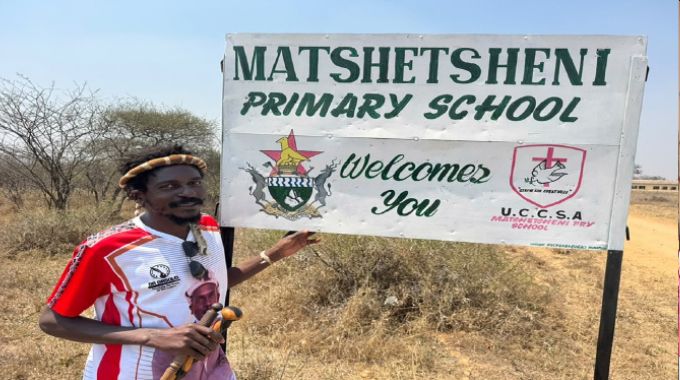
The initiative builds on Dr Gasolo’s Long Walk to Success, which he undertook in September when he travelled from his rural home in Ematshetsheni, Gwanda North, to Bulawayo.
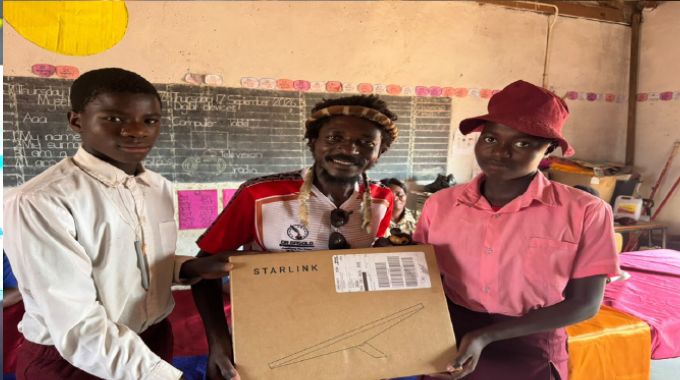
That journey extended beyond arts and cultural advocacy, with the activist donating Starlink kits to schools in his home area in a bid to improve internet access and connect learners in rural communities to educational resources.
Matshetshiya, Masholomoshe and Matshetsheni Primary Schools, were among the beneficiaries..