Online Reporter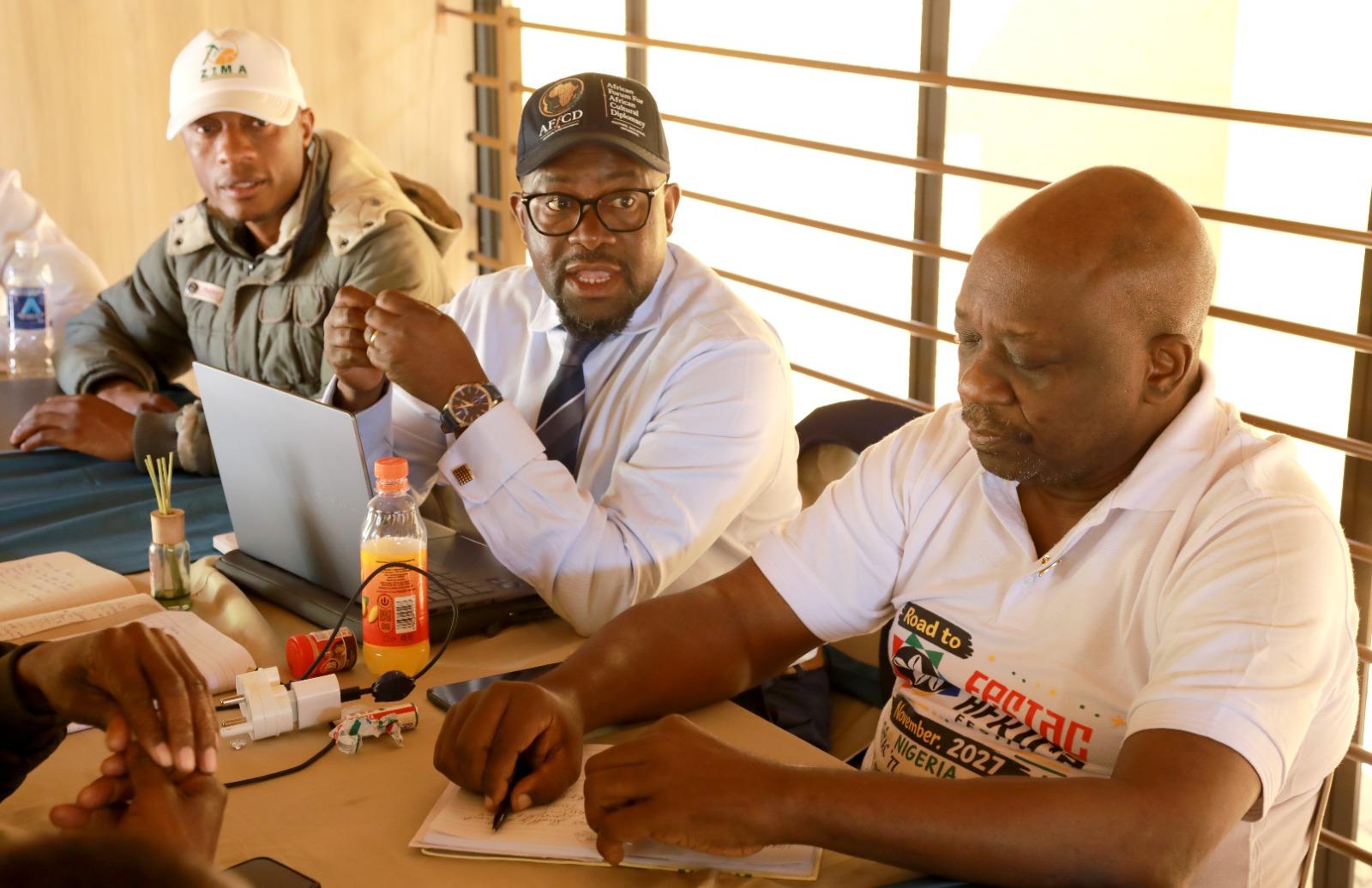
Eliah Saushoma [email protected]
A Zimbabwean based in the United Kingdom says the forthcoming Festival of Arts and Culture (FESTAC) will bring more than music, dance and cultural performances to Zimbabwe.
The event is further expected to unlock trade, investment and economic opportunities that support President Mnangagwa’s Vision 2030 of transforming the country into an upper-middle-income economy.
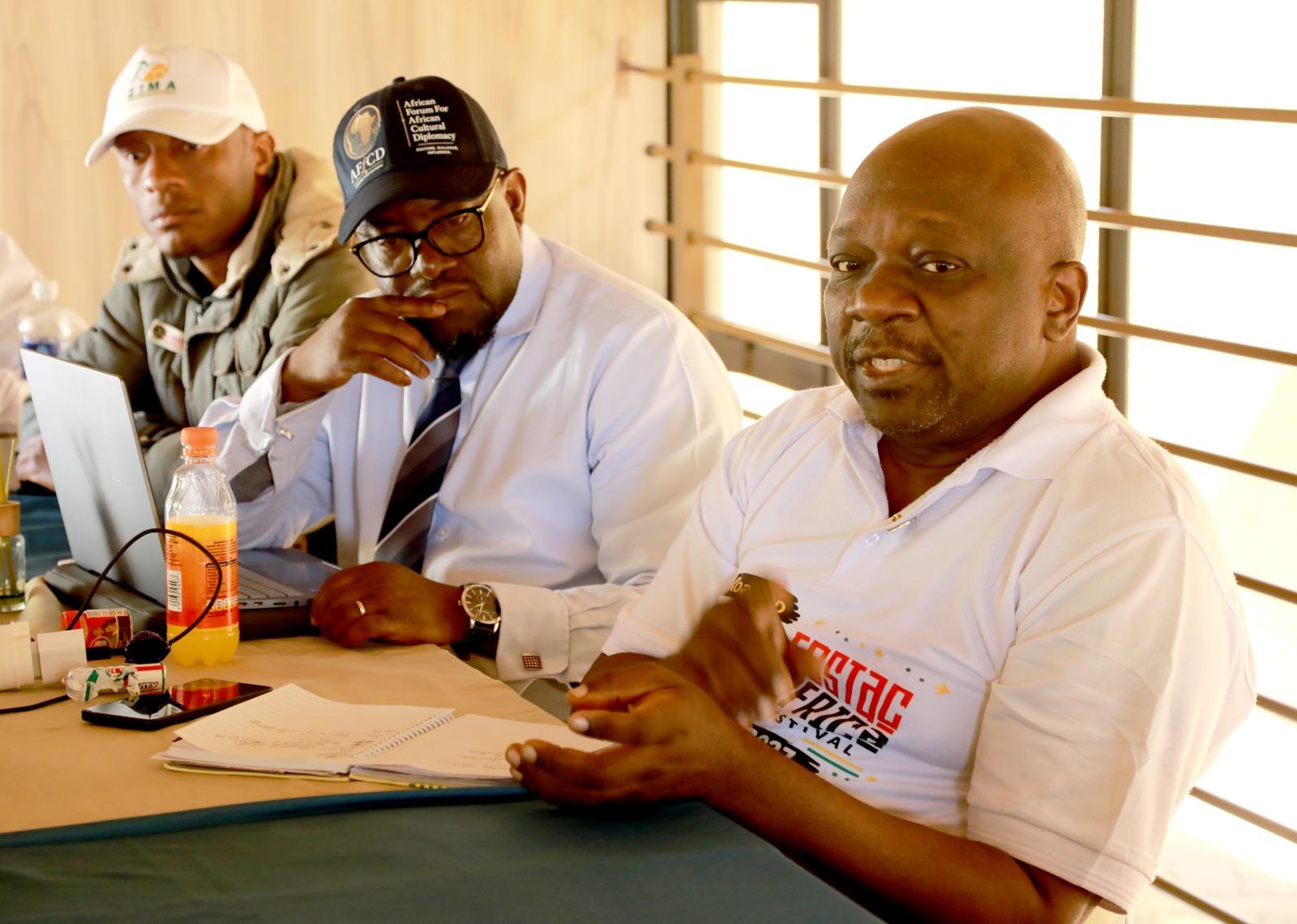
This was revealed following the signing of a Memorandum of Understanding (MoU) between FESTAC Africa and the Zimbabwe Indigenous Miners Association (ZIMA), a partnership expected to pave the way for the festival’s expansion into Zimbabwe and the Southern African Development Community (SADC) region.
Secretary-General of the African Forum for Cultural Diplomacy (AFCD), Mr Pardon Tapfumanei, said the agreement marked the beginning of FESTAC’s presence in Zimbabwe and Southern Africa.

The London-based AFCD, which has a footprint in all 54 African countries, promotes cultural diplomacy and Pan-African cooperation across the continent.
“FESTAC has been around for nearly 60 years and, through AFCD, we recently signed a Memorandum of Understanding with the organisation to bring it to the SADC region. As a result, we facilitated the signing ceremony on Friday between FESTAC and ZIMA.
“The idea was born and bred here in Bulawayo, which is a centre and hub of culture. Looking at what FESTAC brings in terms of cultural development, we felt it was fitting that Bulawayo becomes the first host city and the gateway for FESTAC into Zimbabwe.
“This is not the end of FESTAC in Zimbabwe. We will begin to see the festival in different parts of the country through partnerships with various organisations,” said Mr Tapfumanei.
He said the September activation would bring together cultural organisations from Bulawayo, including Khaya Arts, the Makokoba Festival and climate change advocacy groups.
“We will be discussing different issues, with mining being central to what ZIMA represents. We want to explore the intersection between mining and culture, the effects of mining on climate change, riverbed mining and how we can harness our natural resources sustainably.”
Mr Tapfumanei said the initiative resonates with President Mnangagwa’s call for Zimbabweans to take ownership of national development.
“President Mnangagwa has been very clear that a nation is built by its own people — ilizwe lakhiwa ngabanikazi. This is exactly what we are doing.
“As Zimbabwe’s diaspora representative within ZIMA, we have seen it fit to bring the contacts and connections we have established abroad back home to help build Zimbabwe.”
He said Vision 2030 could only be achieved through initiatives that stimulate economic growth and create opportunities for communities.
“Vision 2030 seeks to attain an upper-middle-income economy for our people. Through these cultural celebrations, we are not just bringing drums and beats. We are bringing trade, investment and economic opportunities to Zimbabwe, particularly Bulawayo.
“Bulawayo was once the country’s industrial hub and we hope that through FESTAC and the initiatives we are introducing through AFCD, the city will regain that status.
“Bulawayo izathuthuka, uMthwakazi uzavuka, amabhizimusi azabe esenzeka lapha. At the same time, we have an opportunity to showcase Zimbabwe to the world. We are grateful and excited about the FESTAC-ZIMA initiative, which is only the beginning of many more programmes we will roll out across Zimbabwe,” he said.
Meanwhile, FESTAC Africa chairman Engineer Yinka Abioye said the festival was founded to promote African unity through arts and culture.
“FESTAC dates back to the late 1950s and early 1960s when our fathers and mothers sought to use arts and culture as a platform to decolonise the African mind.
“The first festival was held in 1966 in Senegal under President Léopold Sédar Senghor. The vision was to create a platform where Africans could come together while allowing the festival to rotate across the continent so that Africans could learn from one another and strengthen unity.”
He said Nigeria had initially been expected to host the second edition, but the country’s civil war delayed the event until 1977.
“The 1977 edition was a defining moment for Pan-Africanism. It came shortly after Angola’s independence, during the liberation struggles in Mozambique, the fight against colonial rule in Rhodesia and following the 1976 Soweto Uprising.
“All these events created the perfect environment for what became one of the biggest gatherings of African people through arts and culture.”
Engineer Abioye said the festival went dormant for 45 years before being revived in 2022.
“We revived FESTAC in 2022 with the first edition in Zanzibar, followed by Arusha, Tanzania, in 2023, Kisumu, Kenya, in 2024 and Ghana in 2025.
“The year 2026 was initially planned as a commemorative year. However, while preparing for our activities, the African Forum for Cultural Diplomacy approached us and proposed that Bulawayo host one of the activations.
“I first came to Bulawayo 28 years ago, so I know the city reasonably well and appreciate its rich cultural heritage. It is a pleasure to return and collaborate with ZIMA.”
He said the partnership with ZIMA was symbolic given the historic role of mining in Africa’s development.
“People may ask, ‘Why ZIMA?’ It is because colonial powers used the wealth beneath our soil to divide us. Today, we want to use those same resources to unite Africans.
“We have designed FESTAC so that arts and culture create a platform for friendship and collaboration. Once people come together through culture, they begin to travel across Africa, promote tourism, strengthen regional integration and eventually increase trade.”
Engineer Abioye said trade and economic integration remain critical pillars for Africa’s future prosperity.
“Working together through trade and integration will create a stronger Africa.
“Hosting the full FESTAC requires years of planning, so what we are bringing to Bulawayo is a mini-FESTAC that will give Southern Africa a taste of what the full festival offers.
“Our hope is that Zimbabwe will host the full-scale FESTAC in 2028, bringing participants from across Africa and the rest of the world.”
He said the event would also help reshape international perceptions of Zimbabwe.
“I arrived in Zimbabwe a few days ago with little knowledge of the country in its current state. I first visited 28 years ago and also witnessed the difficult period when the country faced immense pressure from Western nations.
“I can confidently say those perceptions are changing. I have seen a progressive country, growth, opportunities and a nation with enormous potential.
“FESTAC will provide international exposure through branding, media coverage and social media engagement, enabling more people across Africa and the world to appreciate Zimbabwe.
“I feel at home here and I encourage others to come and experience Zimbabwe for themselves,” said Engineer Abioye.