Online Reporter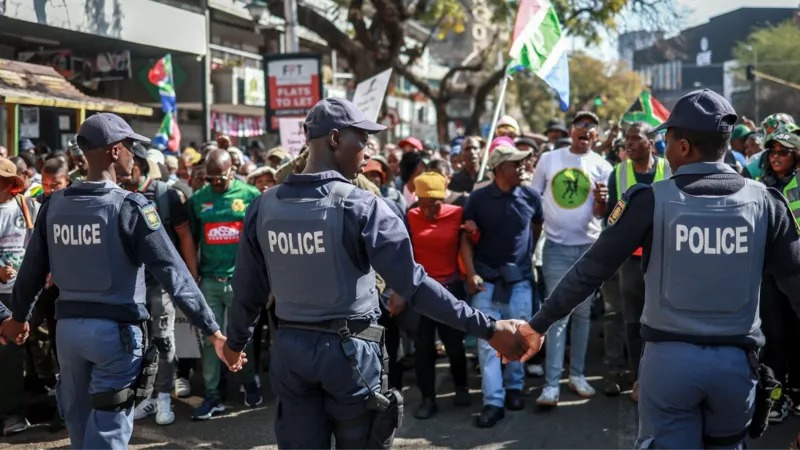
Raymond Jaravaza, Zimpapers Reporter
ZIMBABWEANS living and working in South Africa have taken to social media to urge fellow compatriots to remain vigilant and stay indoors as anti-immigration protests escalate in parts of the neighbouring country.
Local media reports indicate that sporadic violent clashes between police and protesters have been recorded in Johannesburg and Durban, while several people have reportedly been arrested for looting and damaging property.
The protesters are demanding that foreign nationals, both documented and undocumented, leave South Africa immediately.
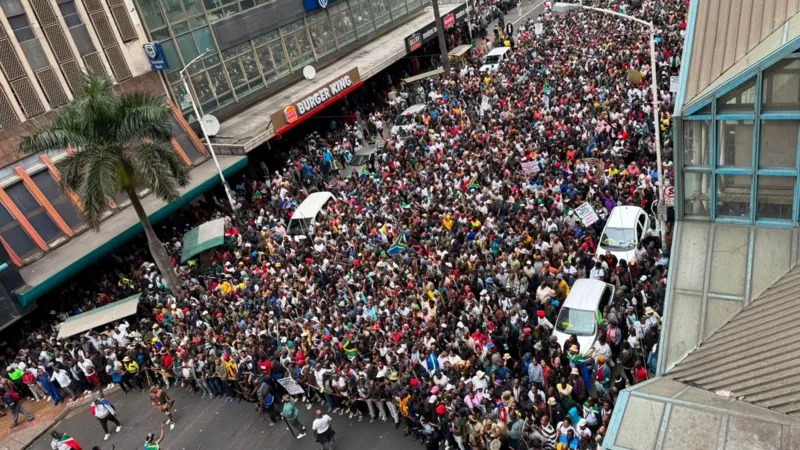
Among the groups leading the demonstrations are anti-immigration movements such as March and March, as well as vigilante groups that have allegedly taken advantage of the protests to target foreign nationals.
“Good morning. Are you safe wherever you are? Avoid hotspot areas where the protests might turn violent,” said Moreboys Munetsi in a social media post early on Tuesday morning that attracted thousands of responses from Zimbabweans living in South Africa.
Many Zimbabweans expressed concern over the deteriorating situation, saying they had opted to remain indoors as a precautionary measure.
“Physically we are okay but it’s not easy to comprehend what is happening. The possibility of the protests turning violent and dragging on for days is very high. We must stay indoors,” said Malaika Melo.
Another Zimbabwean, Vusi Mpala, said parts of Johannesburg appeared unusually quiet as residents stayed away from the streets.
“People have decided to stay indoors. Police cars are patrolling the streets of Jozi but it’s not safe to go out, anything can happen,” he said.
Videos circulating widely on social media showed isolated incidents of protesters attempting to force their way into businesses believed to be owned by foreign nationals in central Johannesburg before police dispersed the crowds.
Another video showed a vehicle being attacked and damaged with stones and logs.
Zimbabweans also used social media platforms to share safety information and encourage one another to avoid unnecessary travel.
“Let’s spread the message for our fellow Zimbabweans to stay safe,” said Mancue Noma.
Rue Sibanda urged fellow Zimbabweans to refrain from inflammatory online exchanges that could further heighten tensions.
“It hurts to see our fellow countrymen being attacked for simply being foreigners but let us also try and avoid spewing inflammatory messages on social media. We will continue being targeted apparently for being rude and insensitive to the plight of our host nationals,” she said.