Online Reporter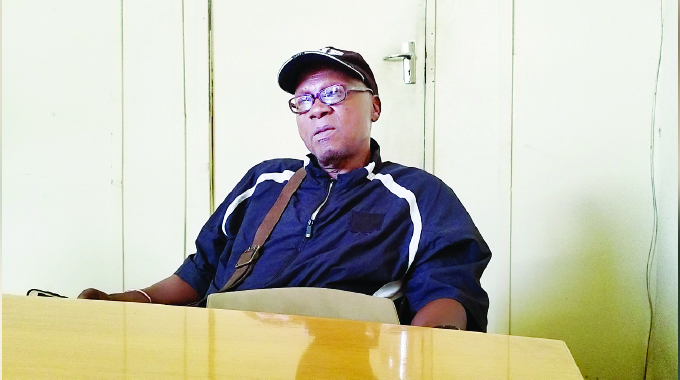
TODAY we conclude our interview with the former commander of Victory Camp (VC) in Zambia during the armed struggle, Cde Cecil Banda (Dingani Ncube). After the ceasefire period, Cde Banda moved to the Gwayi River Mine Assembly Point in Hwange District, Matabeleland North Province, where he was appointed Brigade Chief of Logistics. The Gwayi River Mine Assembly housed the ZPRA conventional brigade. As he concludes his narration, Cde Banda tells our Assistant Editor Mkhululi Sibanda (MS) about moving to Gwayi AP, receiving and storing weapons, and being deployed to Tsholotsho and Bulilima districts to hunt down groups of fellow ZPRA guerillas who were refusing to move to Assembly Points. Below are excerpts from the interview. Read on . . .
MS: Last time you were talking about being deployed between the second and third battalions near the Zambezi River on the Zambia side. Let us resume the conversation from that period.
Cde Banda: The ceasefire was announced in December 1979 and we were near the DK crossing point. We remained there until the voting period that led to the Independence Day celebrations on 18 April 1980. We did not vote as we were still in Zambia. It should have been in April that we moved from Zambia to the Gwayi River Mine Assembly Point near Dete in Hwange District, Matabeleland North Province.
MS: Take us through your movement from your area of deployment to Gwayi River Mine Assembly Point.
Cde Banda: I would like to make it clear that we were very disappointed with the announcement of the ceasefire. When it was announced, the comrades were very disappointed; some even remarked and said “wasenza umdala”. They meant that the party leader, Dr Joshua Nkomo, had let us down by appending his signature to the Lancaster House Agreement.
MS: Why was that so?
Cde Banda: This was because of the way we had built up and prepared for the Zero Hour period. ZPRA had deployed four battalions along the Zambezi River armed to the teeth. When the Rhodesian forces engaged the First Battalion, commanded by Cde Madliwa (Major-General Stanford Khumalo), they got a feel of things to come. For those five or so days, they fought guerillas who were well dug in and defended their positions well. The enemy aircrafts were repelled, and literature on that battle is there for all to see, with the Rhodesians themselves writing that they lost in that battle near Kariba. So, for the ceasefire, we felt we were denied the opportunity for an outright victory. In fact, other battalions were envious of the First Battalion for having fought in that Kariba Battle. I was in logistics in charge of arming the forces; we had all types of weapons to march all the way to victory. Also, a majority of the comrades in the battalions were itching to face the enemy; they had not done battle except being bombed in camps in Zambia. We had also been encouraged by the situation on the ground, as there were semi-liberated zones in areas like Tsholotsho and Lupane where the guerillas were teeming on the ground.
MS: So if the Zero Hour Operation had been implemented, how were the battalions going to move? In your case, the second and third battalions.
Cde Banda: I cannot say with authority on that as my responsibilities were not to deploy the troops, but to supply them with the required equipment. However, it was possible that the second battalion was supposed to overrun Deka Drum and then quickly move to Hwange Town, then known as Wankie. The guerillas on the ground were supposed to harass the enemy. Our confidence came from the fact of the weapons in our possession and the training our troops had gone through. We were very confident of a military victory. The battalions had Zegues, anti-tank weapons such as B-10s, Grad-P, mortars, Surface to Air Missiles, you name it.
MS: Then you finally left Zambia for home. Tell us about that.
Cde Banda: From our area of deployment, we moved to Monze, which is on the route to Livingstone. That is where we boarded the train while some were taken by trucks as we made our way home. We moved with all our weapons and it was disappointing. We disembarked from the train at Dete, which is about five to 10 kilometres from Gwayi River Mine. From the railway siding, we boarded trucks from the Rhodesians, how ironic that was. Although suspicious, we were ready for anything. At Gwayi River Mine, we found two white soldiers, a Major Roster and another who looked young but was an officer as well.
MS: What was the first thing you did when you got to the AP?
Cde Banda: The area is mountainous, so we started deploying on the mountains and taking positions as well as deploying the anti-air weapons. We checked the surroundings. We moved into the houses after being satisfied with the situation on the ground. All the four battalions that had deployed along the Zambezi moved into the Gwayi River Mine AP. They were joined by the Fifth Battalion, commanded by Cde Sizwe. The Fifth Battalion had been on standby when others moved to deploy along the Zambezi River. We also had another conventional battalion under Smile Madubeko Moyo that was based in Tsholotsho. That one moved to Lima Assembly Point in Bulilima District, which also accommodated guerillas that had been operating in the surrounding areas.
MS: You had heavy weapons. Where did you store them?
Cde Banda: We stored our weapons in the mine shafts.
MS: There is this issue that the conventional forces based at Gwayi went after fellow comrades in areas like Tsholotsho. Did you witness that?
Cde Banda: We did not go after them in the way people are fond of saying, but we were asked to go and convince them to move to the Assembly Points like all the comrades. I was part of the units that were deployed to Tsholotsho and Bulilima districts to do that. So I was one of the seniors who were deployed with the First and Second Battalions to look for those comrades. The commander of the First Battalion, Madliwa, was in charge of that exercise, having been promoted to the rank of Gwayi Assembly Point Chief of Staff. So some of us camped at Tsholotsho Centre.
MS: What were the grievances of those guerillas who were refusing to move into the APs?
Cde Banda: They were suspicious of the ceasefire, thinking it was a trick played on the freedom fighters by the colonial forces. They accused guerillas that had moved into APs of having sold out, especially when they saw us moving around in the trucks that used to belong to the Rhodesian Army. We had specific instructions from the commanders that we should not shoot at them. Whenever we approached them they will run away. So a lot of effort was put into that exercise until we managed to convince them to come forward and move to the APs.
MS: Tell us about Gwayi River Mine, you said it housed regular battalions, so who was given command of that camp?
Cde Banda: Initially the camp commander was Bitwell Moyo with Madliwa coming in as Chief of Staff. Myself I was appointed Brigade Chief of Logistics, my responsibilities being to look after all the arms and other equipment at that camp. The deputy Chief of Staff was Soneni Mdlalose (Polate Moyo), who had been the commander of the Fourth Brigade. It should be noted that Bitwell and Soneni were from the same family, the Maphendukas from Kezi District. Another prominent figure from that family was Vote Moyo, the politician. Also at Gwayi was Mike Reynolds (Brigadier Charles Grey), umkharadi who was a member of the High Command as Chief of Operations. He was overseeing things there. Other senior commanders were Butata as Chief of Artillery, Vusa (Chief of Intelligence) and Mlonyeni as Chief of Reconnaissance. Then we had the five battalion commanders. As the integration process started Bitwell and Madliwa left. Soneni then took over as the commander of Gwayi.