Online Reporter
Eliah Saushoma and Nqobile Bhebhe
Visit Zimbabwe: It’s more than a mantra, it’s a movement.
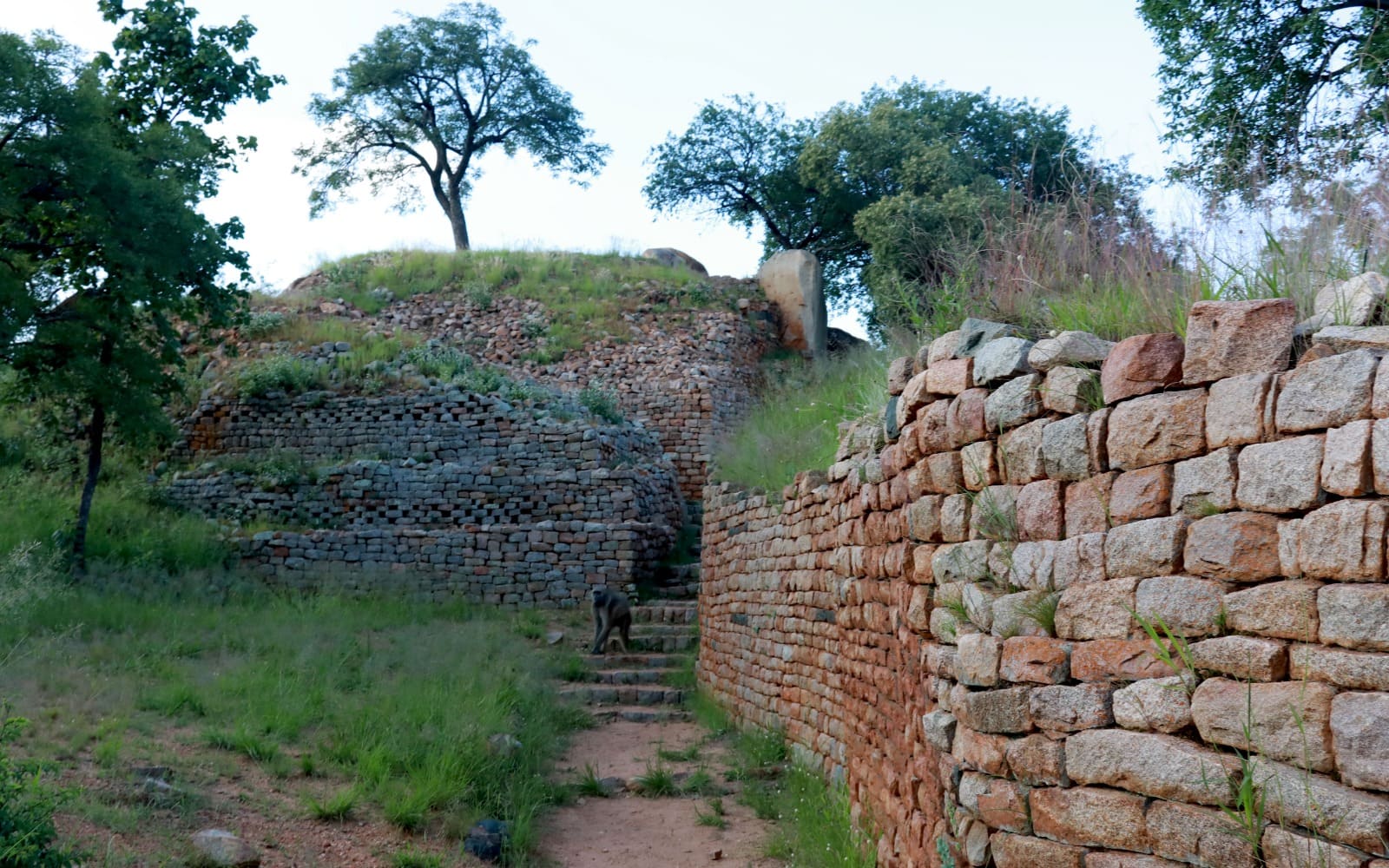
From the ancient stone walls of Khami Ruins to the bustling streets of Bulawayo, the Visit Zimbabwe drive came alive during the peak festive season, offering compelling evidence that the country’s tourism sector is firmly on an upward trajectory.
Khami Ruins, a UNESCO World Heritage Site on the outskirts of Bulawayo, was a hive of activity on New Year’s Day as a mix of local and international tourists, young and old thronged the heritage site, signalling renewed confidence in domestic and regional tourism.
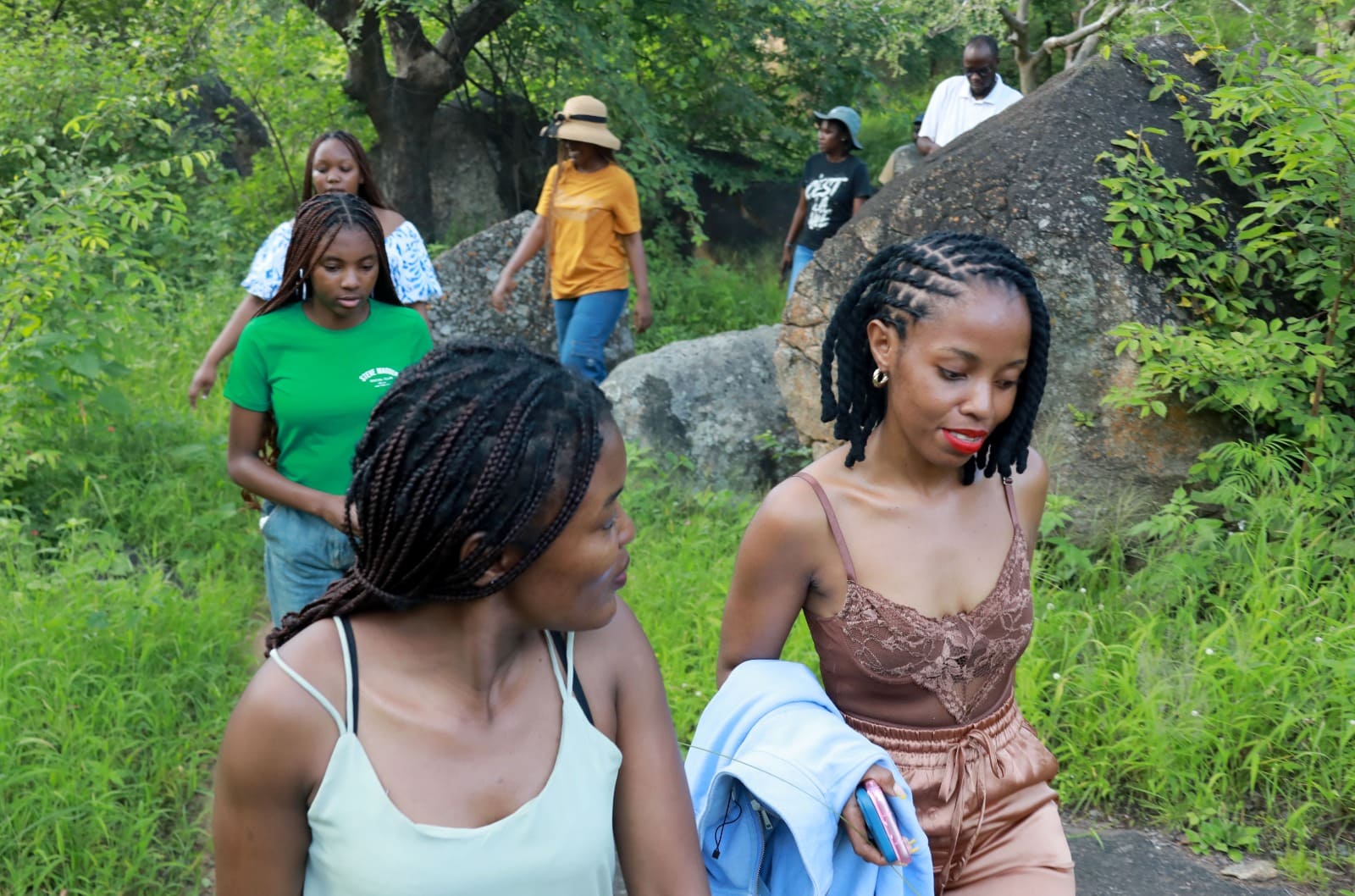
For many locals, the visits were more than leisure trips, doubling as educational tours for school-going children and reinforcing the importance of heritage appreciation.
“It is important that we visit the site with my family, it is important for children to know and appreciate our heritage, as we say catch them young. I encourage other families to embark on domestic tourism and sample our beautiful Zimbabwe,” Mrs Dube told Zimppers crew at the heritage site.
The vibrant festive season activity mirrors strong national performance figures, underscoring the sector’s sustained recovery and growth.
According to the latest ZimStat 2025 Third Quarter Tourist Arrivals Index, Zimbabwe recorded a total of 496 668 tourist arrivals in the third quarter of 2025, up from 450 922 during the same period in 2024 — a year-on-year increase of 10,1 percent.
The Tourist Arrivals Index tracks relative changes in the number of international visitors entering the country over time and is widely used as a key performance indicator for the tourism sector.
International recognition has further boosted Zimbabwe’s profile, with the country recently being named the World’s Best Country to Visit in 2025 by Forbes Magazine, a major endorsement of its growing appeal as a premium destination.
Zimpapers crew also caught up with regional tourists sampling Khami Ruins during the festive season, many of whom spoke glowingly about their experiences.
South Africa-based visitor Gugu Dube said it was her second visit to the heritage site.
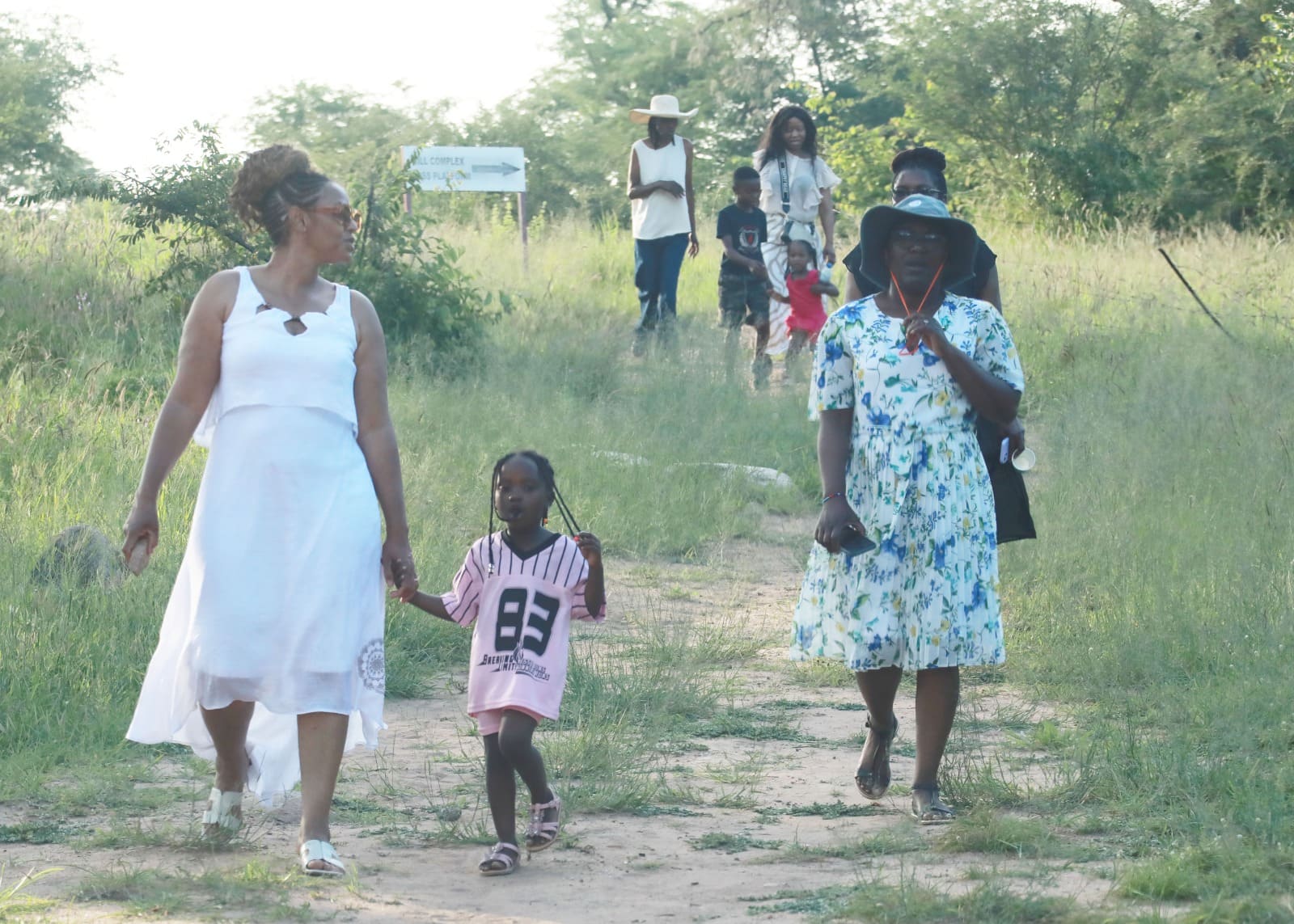
“At Khami, one can learnt a lot about Zimbabwe’s heritage and it gives you a lot of imagination of what is happening. I do recommend the site to a lot of people,” she said.
Another visitor from Botswana, Dr Oscar Chiwira, highlighted the seamless movement of people at Zimbabwean border posts during the festive season, attributing the efficiency to the country’s embrace of Information and Communication Technologies (ICTs).
Dr Chiwira added that embracing ICTs gives Zimbabwe a competitive advantage within the region.
“The free movement of people and goods significantly contributes to the element of tourism. That is something that responsible authorities and ministry really managed to embrace.”
He said exposing families living abroad to their roots had long-term benefits for the country.
“When you reside outside Zimbabwe, you need to ensure that your family and relatives have got a full understanding of home and in this case, I am referring to our motherland Zimbabwe.
“We need to appreciate the beauty of their country and know that their roots are in Zimbabwe. This has got a multiplier effect because when they go back they will take more about their home (Zimbabwe) because they would have seen the beauty of it,” added Dr Chiwira.
During the festive season, the Ministry of Tourism and Hospitality Industry, led by Minister Barbara Rwodzi, together with Zimbabwe Tourism Authority officials, conducted visits to several border posts under the “Meet and Greet” campaign, aimed at enhancing visitor experience and promoting Zimbabwe as a welcoming destination.
In late 2025, Zimbabwe was named the 2025 “World’s Best Country to Visit” by Forbes magazine, a recognition that underscores the nation’s rising status on the global tourism map.
The country welcomed over 1,6 million international tourists in 2024, generating US$1,2 billion in revenue and attracting US$190,5 million in investments, according to a Ministry of Tourism and Hospitality Industry report released in September last year.
Under the Second Republic, tourism remains a key driver of economic transformation.
President Mnangagwa has consistently described tourism as “a low-hanging fruit for accelerated economic growth, employment creation and foreign exchange generation”.
Zimbabwe has set an ambitious target to build a US$10 billion tourism economy by 2030, building on the milestone of surpassing the previous US$5 billion goal in 2024.
Heritage-based tourism remains a central pillar of this growth, anchored by flagship attractions such as Victoria Falls and the Great Zimbabwe World Heritage Site.
With sustained investment, growing international recognition and rising visitor numbers, tourism continues to rank among Zimbabwe’s fastest-growing sectors and is poised to become one of the leading contributors to Gross Domestic Product (GDP).