Online Reporter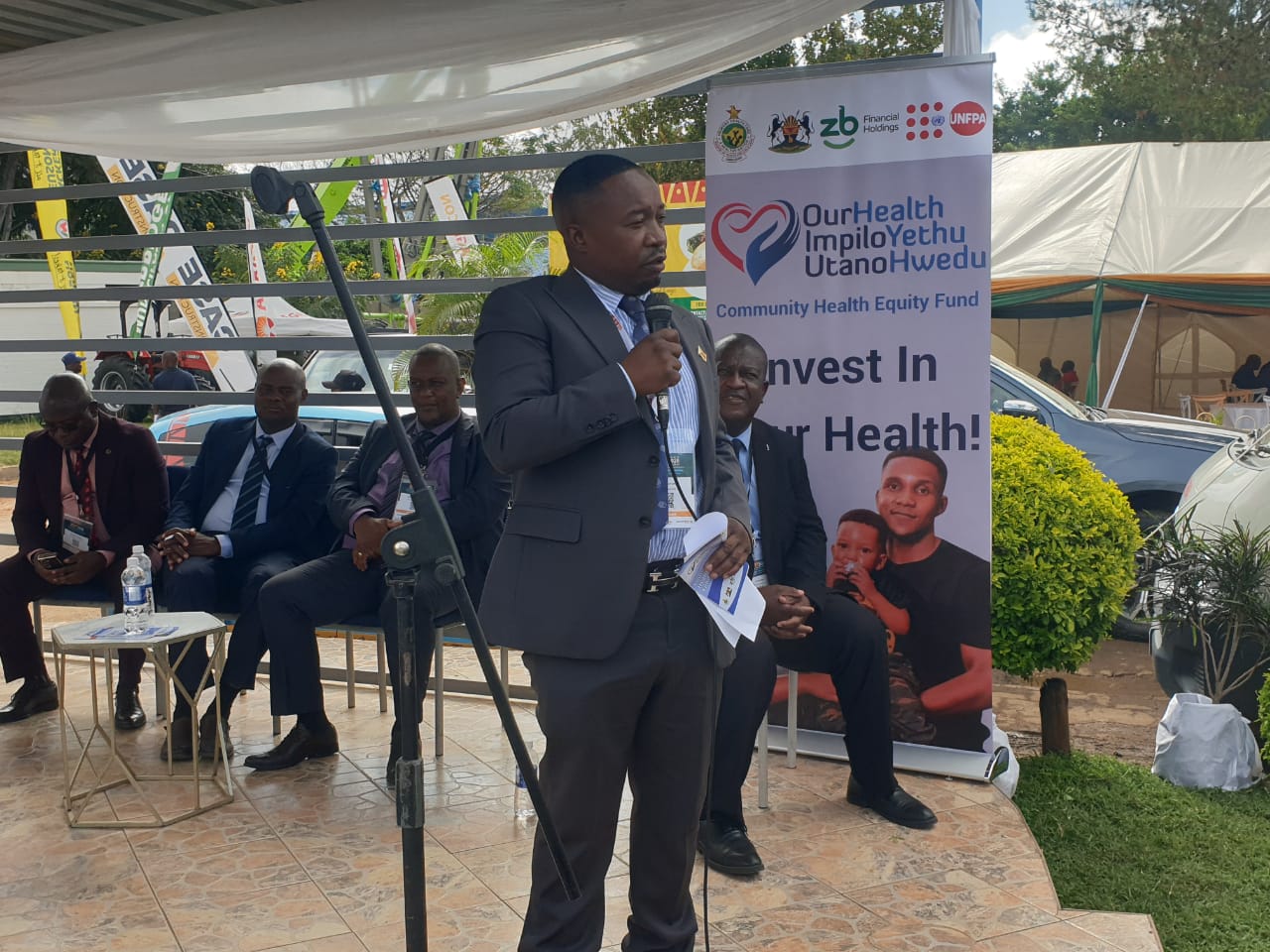
Amos Mpofu, [email protected]
URBAN local authorities have been urged to adopt the Community Health Equity Fund, an initiative pioneered by the City of Harare to improve access to primary healthcare for low-income communities through sustainable health financing.
The initiative requires individuals to pay a once-off registration fee of US$1 and an annual contribution of US$2, allowing them to access primary healthcare services at any local authority clinic or hospital.
The call was made on the sidelines of the ongoing Zimbabwe International Trade Fair at the ZIEC Smart City in Bulawayo yesterday, where the City of Harare’s Department of Health Services, in partnership with the Ministry of Health and Child Care, UNFPA and ZB Financial Holdings, hosted representatives from various local authority health departments and encouraged them to replicate the programme.
Officially launched in November 2025 by the Minister of Health and Child Care in Harare, the programme is being hailed as a practical solution for extending affordable healthcare to underprivileged communities.
City of Harare Director of Health Services, Prosper Chonzi, said the programme was first piloted in Hopley, one of Harare’s most disadvantaged suburbs, where many residents had no form of medical insurance.
“We started in the poorest suburb of Hopley in Harare, where the population is approximately 300 000 and these people are not covered by any form of health insurance. They come seeking services at our clinics, and we would provide them for free using funds from the city finance director, who purchases medicines for us,” said Dr Chonzi.
He said the city sought to create a sustainable healthcare financing model by encouraging residents to make small annual contributions towards their healthcare needs.
“We returned to the community and realised that if 300 000 people each contributed two dollars per year, that would amount to US$600 000, which would go directly to the clinic for use within that community, complemented by local authority support. The strength of this initiative lies in collective effort. The fund is managed at clinic level by the community itself,” he said.
Dr Chonzi said the initiative had already produced positive results in Hopley, where clinics are now better stocked with essential medicines.
“In Hopley, where we began, they now have their own account with substantial funds, and the clinic is well stocked with essential medicines. As more people continue to register, the fund remains sustainable. If this model is replicated across all urban local authorities, we can significantly improve health service delivery,” he said.
Harare mayor, Councillor Jacob Mafume, who attended the event as guest speaker, applauded the initiative and pledged to lobby fellow urban councils to implement the model.
“We are concerned about delivering quality primary healthcare to our people, as the health of any city is critical. No one should die prematurely. This programme is important because it allows people to prioritise their health by contributing just two dollars a year,” said Mayor Mafume.
He said he would use upcoming engagements with fellow mayors to promote the initiative nationally.
“I will be attending a mayors’ meeting and will encourage my counterparts to commit to implementing this initiative in their cities. If we collectively contribute — say in a city of two million people — we can procure all the necessary equipment and medicines for our clinics,” he said.
Harare City Health District Services Administrator Oliver Chari said the initiative could lay the groundwork for the planned National Health Insurance scheme.
“This Community Health Equity Fund initiative should be a key consideration for every local authority in order to improve access to primary healthcare through the promotion of equity and community participation. Its success will be a stepping stone towards the National Health Insurance scheme currently being developed by the Government as part of efforts to achieve Vision 2030,” he said.
The Community Health Equity Fund is increasingly being viewed as a scalable model that could strengthen access to affordable healthcare services in urban communities across the country.